Wildlife watercolor painting is a beautiful art form. It combines the beauty of animals with the softness of watercolor paints. Many artists in the United States enjoy painting birds, deer, wolves, and other animals using watercolor techniques. This type of art allows painters to capture nature in a gentle and expressive way.
Artists often use watercolor painting techniques to create natural color effects and soft transitions. Wildlife artists also study animals carefully before painting them. They focus on shape, movement, and realistic animal details. Because of this, wildlife watercolor art has become popular among beginners and professional painters who love nature.
What Is Wildlife Watercolor Painting?
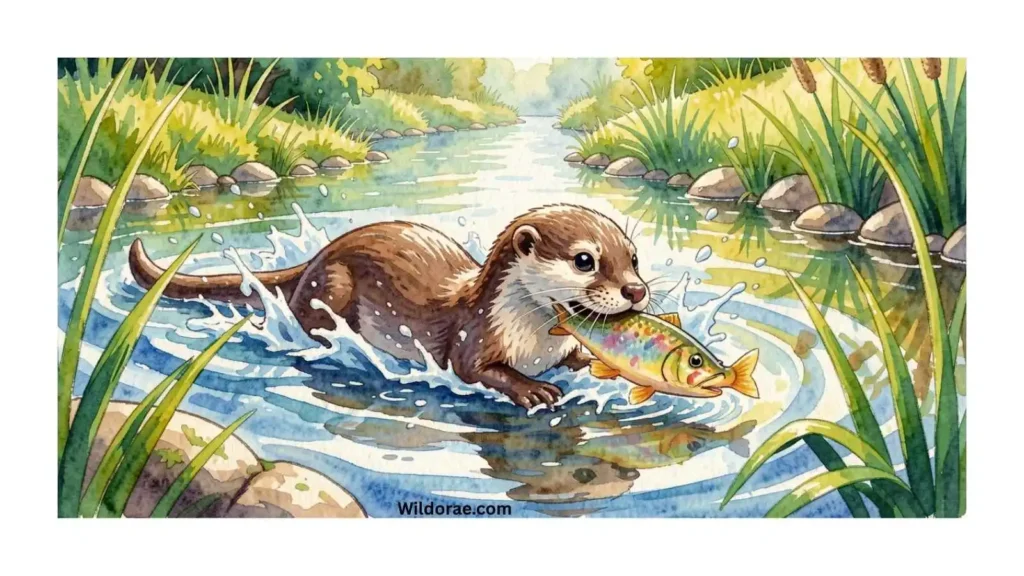
Wildlife watercolor painting is a style of art where artists paint animals using watercolor paints. The goal is to show animals in their natural habitats. Many artists create animal watercolor painting pieces that show birds in forests or animals near rivers and mountains. This form of nature watercolor painting allows painters to explore the beauty of wildlife through soft colors and flowing paint.
Another important part of wildlife watercolor painting is observation. Artists study animals carefully before painting them. They look at fur, feathers, and body shapes. This helps them create watercolor wildlife illustration that looks natural and lifelike. Many painters also focus on art composition so the animal fits well within the painting scene.
Wildlife watercolor art is often used in books, educational posters, and galleries. Many artists create watercolor animal portraits that focus on one animal. These portraits highlight expressions, textures, and light and shadow in painting.
Essential Materials for Wildlife Watercolor Painting
Creating good wildlife watercolor paintings starts with the right materials. Artists need quality watercolor paints, good brushes, and strong watercolor paper. These tools help painters create beautiful watercolor wildlife artwork with smooth color effects and detailed textures.
Watercolor paper is very important. Most artists use cold-pressed paper because it holds water well and shows texture clearly. Good brushes also help painters create soft fur and feather patterns. When artists practice wildlife art techniques, they often experiment with different brush sizes to improve their brush strokes and painting texture.
The table below shows common materials used by wildlife watercolor artists.
| Material | Purpose in Wildlife Painting |
|---|---|
| Watercolor Paint | Creates natural colors for animals |
| Watercolor Paper | Holds water and prevents damage |
| Round Brushes | Helps paint fur and feathers |
| Pencil | Used for light sketches |
| Palette | Mixes colors for color blending |
Using quality materials makes it easier to create realistic animal watercolor paintings.
Step-by-Step Guide to Painting Wildlife with Watercolors
Painting wildlife with watercolors usually begins with a simple sketch. Artists first choose a reference photo of an animal. This helps them understand body shape and posture. The artist then draws a light pencil outline on watercolor paper before starting the painting process.
The next step is applying soft color washes. These first layers create the base colors of the animal and background. Artists often practice watercolor painting animals using light colors first and slowly building darker tones. This process helps create depth and natural shading.
After the base layers dry, artists add more details. They paint fur lines, feather shapes, and eye highlights. These steps help create realistic animal details in the final artwork. Many painters also focus on nature art scenes around the animal, such as trees, grass, or water.
This process is used by many artists who create nature inspired watercolor art. It allows them to show animals in beautiful natural settings.
Techniques for Creating Realistic Wildlife Watercolor Art
Professional artists use several techniques to improve wildlife watercolor painting. One popular method is wet-on-wet painting. This technique involves adding wet paint to wet paper. It creates smooth transitions and natural color flows. These effects are helpful when painting skies, water, or soft animal fur.
Another technique is dry brush painting. In this method, artists use a brush with very little water. This creates rough textures that look like fur or feathers. When artists practice different wildlife art techniques, they learn how to control water and paint carefully.
Many painters also focus on color blending and shading. These skills help create depth and dimension. By carefully applying layers, artists improve their animal painting skills and produce beautiful watercolor wildlife artwork.
Artists also use strong art composition to make the painting balanced. They decide where the animal should stand in the scene. Good composition helps guide the viewer’s eye through the painting.
Common Mistakes in Wildlife Watercolor Painting and How to Avoid Them
Many beginners make mistakes when they first start wildlife watercolor painting. One common problem is using too much water. Excess water spreads paint too quickly and removes detail from the animal. This makes it harder to create clear textures or realistic animal watercolor results.
Another mistake is ignoring animal anatomy. Some artists paint animals without studying their structure. This can cause incorrect proportions or unnatural poses. Learning about animal shapes helps improve wildlife illustration accuracy.
Overworking the paper is another common issue. Watercolor paper can become damaged if artists add too many layers. When paper loses its texture, it becomes difficult to paint fine details. Experienced artists know when to stop painting and allow the artwork to remain soft and natural.
Many artists also forget about light and shadow in painting. Without shadows, animals look flat and unrealistic. Adding soft shadows helps create depth and realism in watercolor animal portraits.
Tips to Improve Your Wildlife Watercolor Painting Skills
Improving wildlife watercolor painting takes practice and patience. Artists often spend time observing animals in parks, forests, or wildlife documentaries. Watching animal movements helps painters understand posture and behavior.
Regular sketching is also very helpful. Many wildlife painters sketch animals daily before starting a painting. These sketches help artists improve drawing accuracy and prepare for larger paintings. Practicing sketching also improves brush strokes and painting texture control.
Artists can also learn by studying professional wildlife painters. Many famous painters share their methods in books or online classes. By studying their work, beginners learn advanced watercolor painting techniques and improve their style.
Joining art communities can also help artists grow faster. Many online groups share feedback and advice about watercolor wildlife illustration. These communities help beginners learn new ideas and gain inspiration for nature watercolor painting projects.
FAQs
Q: Who is the watercolor artist for wildlife?
A: A wildlife watercolor artist paints animals and nature using watercolor. Famous examples include Robert Bateman and David Shepherd.
Q: Who are the Big Four wildlife painters?
A: The Big Four wildlife painters are often considered Carl Rungius, Bob Kuhn, Robert Bateman, and David Shepherd.
Q: What are the 4 pillars of watercolor?
A: The four pillars are water control, color mixing, brush technique, and paper quality.
Q: What are some common mistakes to avoid in watercolor painting?
A: Common mistakes include using too much water, overworking the paper, poor color mixing, and skipping light planning.
Q: What is the 80/20 rule in painting?
A: The 80/20 rule means 80% of the painting should be simple or soft areas and 20% should contain strong details.
Q: Why is watercolor painting so difficult?
A: Watercolor is difficult because paint spreads quickly and mistakes are hard to fix once the paint dries.
Q: What is the hardest color to paint over?
A: Dark colors like black or deep blue are the hardest to paint over in watercolor.
Conclusion
Wildlife watercolor painting is a rewarding way to explore creativity and connect with nature. Artists can create beautiful animal scenes by learning simple watercolor painting techniques and practicing regularly. Understanding art composition helps place animals naturally in a scene, while careful color blending makes the painting look soft and realistic.
Paying attention to light and shadow in painting also brings depth and life to every artwork. When artists focus on small textures and realistic animal details, their paintings become more expressive and natural. Over time, patience and practice help artists master watercolor painting techniques and improve their wildlife art.
By studying animals closely and experimenting with colors, anyone can create inspiring wildlife watercolor paintings that celebrate the beauty of nature.