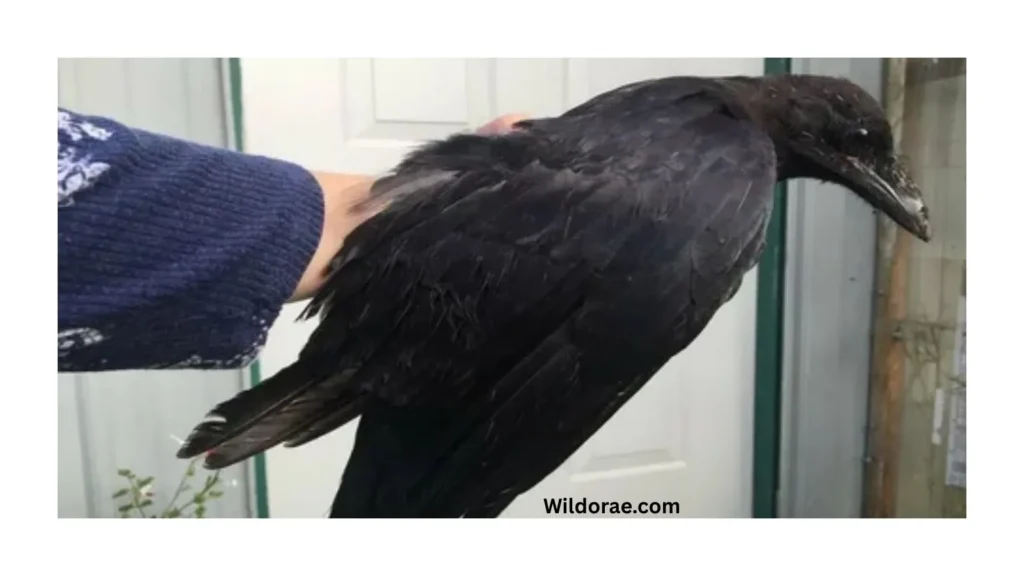
Discovering an injured crow can be alarming, yet understanding how to help is essential for wildlife lovers. These intelligent birds often suffer from collisions, storms, or human interference. Proper wildlife care ensures their recovery and safe return to natural habitats. By following recommended bird rescue techniques, volunteers and rehabilitators can stabilize the crow’s condition while minimizing stress.
Knowledge of avian rehabilitation, including feeding, housing, and medical support, greatly improves survival chances. Supporting native wildlife recovery promotes biodiversity and ecosystem health.
In addition, using safe injury treatment methods prevents further harm and prepares the crow for eventual release into the wild.
Scientific Classification
Here’s how scientists classify the common crow species found in many regions:
| Rank | Description |
|---|---|
| Kingdom | Animalia |
| Phylum | Chordata |
| Class | Aves |
| Order | Passeriformes |
| Family | Corvidae |
| Genus | Corvus |
| Species | Corvus brachyrhynchos (American crow) |
This table shows the scientific position of crows. Using taxonomy helps biologists study their traits and behavior systematically.
Physical Characteristics
Crows have striking features that help them thrive:
|Related: Texas safaris
- Mostly jet‑black plumage that gleams in sunlight.
- A strong, sharp beak used for versatile feeding.
- Stout wings designed for agile flight and soaring.
- A relatively large brain compared to body size.
- Keen eyes that detect movement up to great distances.
Notably, their feather structure helps them stay warm in winter and agile during flight.
Habitat and Distribution
Crows are widespread:
- Urban parks and backyards.
- Forest edges and farmland.
- Near rivers, lakes, and wetlands.
- Across North America, Eurasia, and many islands.
Crows adapt remarkably well to human environments. This resilience lets them live near cities, but it also increases risks from vehicles, wires, and aggressive animals.
Diet and Hunting Behavior
Crows have an omnivorous diet that includes:
- Insects and worms
- Fruits and seeds
- Small mammals
- Eggs and nestlings (occasionally)
- Human food scraps
Their eating habits vary with season and availability. Crows often forage in groups, using clever strategies to find food. They may flip logs or work together to distract predators.
Reproduction and Lifespan
During breeding season, crows show remarkable social bonds:
- Nesting occurs in tall trees or large shrubs.
- Pairs often mate for life.
- Females lay 3–8 eggs per clutch.
- Both parents help feed chicks.
- Lifespan in the wild averages 7–10 years.
However, crows can live longer in protected areas. Frequent observers note their complex family systems, where older siblings aid in raising younger ones.
Behavior and Adaptations
Crows are master learners:
- They use tools like sticks to extract insects.
- Individuals can remember human faces and danger zones.
- They make diverse sounds to communicate warnings.
- Crows exhibit mourning rituals around dead flock members.
These behaviors reflect advanced cognition rarely seen in other bird groups of similar size.
Threats and Conservation Status
Even though crows adapt well, they face danger:
- Vehicle collisions cause many injuries.
- Power lines can electrocute or entangle wings.
- Pesticides weaken immune systems.
- Habitat loss reduces natural food sources.
The American crow is currently not endangered, but its population faces pressure from environmental toxins. Understanding these threats emphasizes the need for proper care of an injured crow.
Interesting Facts
Here are fascinating insights about crows:
- Crows can hold a grudge against humans who harmed them.
- They can mimic sounds, including car alarms or human speech.
- A group of crows is called a murder, a poetic term rooted in folklore.
- Crows play games, sliding down snowy roofs for fun.
These facts highlight their intelligence and social complexity.
How to Recognize an Injured Crow
An injured crow may show:
- Limping or inability to perch
- Drooping or damaged wings
- Visible bleeding or feather loss
- Dull, unfocused eyes
- Unusual lethargy or aggression
Careful observation helps decide if a bird truly needs help or is simply resting.
What to Do If You Find an Injured Crow
Follow these steps to help safely:
- Assess from a distance to ensure the bird is truly injured.
- Wear gloves to avoid bites or disease transmission.
- Gently cover the crow with a towel or cloth.
- Place it in a ventilated box with soft padding.
- Keep it quiet and dark to reduce stress.
- Call a licensed wildlife rehabilitator immediately.
Never feed an injured crow water or food directly. Improper feeding can cause aspiration or worse.
Benefits of Proper Care
Helping an injured crow benefits both the bird and the ecosystem:
- Encourages proper healing and survival.
- Minimizes stress and fear for the animal.
- Reduces the chance of repeat injury from predators.
- Supports natural roles like seed dispersal and pest control.
Every bird returned to the wild enriches its habitat and ecological balance.
Safety, Side Effects, and Practical Tips
When handling an injured crow:
Safety Measures
- Always wear protective gloves.
- Avoid direct eye contact to lessen aggression.
- Do not expose the crow to pets or loud noises.
Possible Side Effects of Mishandling
- Increased stress may worsen injuries.
- Feeding wrong foods causes digestive issues.
- Attempting DIY treatment can delay professional help.
Practical Tips
- Keep records of when you found the bird.
- Note visible injuries or unusual behavior.
- Transport only when advised by a rehabilitator.
These steps protect you and the bird throughout recovery.
Short Summary
Finding an injured crow can be upsetting, but knowing what to do helps you act wisely. Recognize common injury signs, keep safety top of mind, and connect with licensed wildlife professionals quickly.
Crows are intelligent, adaptable birds with a vital role in ecosystems. Helping them recover reinforces biodiversity and honors nature’s balance.
Conservation Awareness Message
Every bird matters. Crows are more than black silhouettes in the sky; they are intelligent, social beings with ecological roles from pest regulation to seed distribution. When you encounter an injured crow, act with compassion and patience.
Support licensed wildlife rehabilitators. Spread awareness. Together, we can ensure that these remarkable birds continue to thrive in the wild—healthy, free, and soaring.