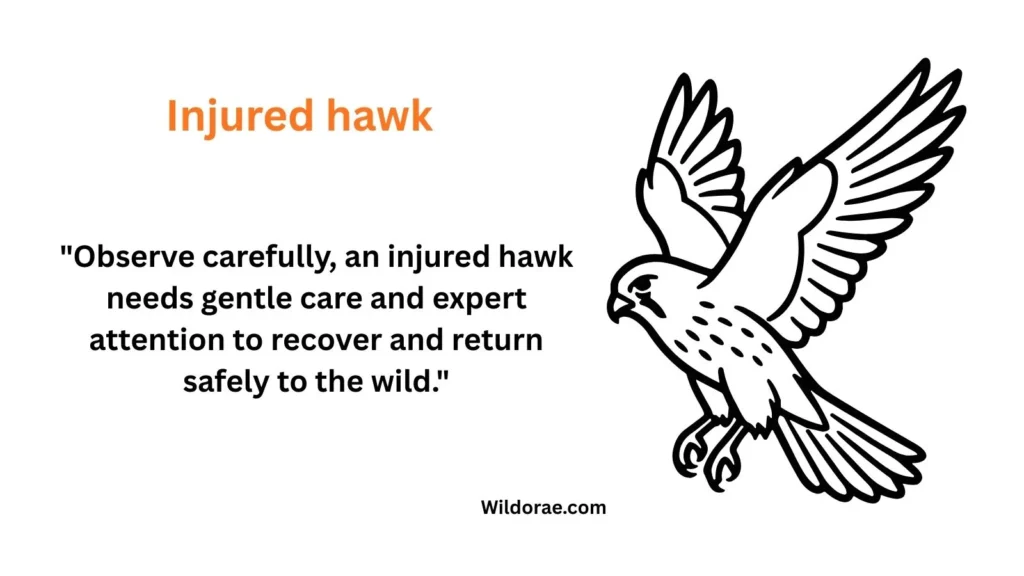
Encountering an injured hawk in the wild can be alarming, yet understanding its needs is vital for survival. Many wildlife enthusiasts search for hawk rehabilitation tips, aiming to safely handle and assist these raptors. Recognizing signs of raptor injuries, such as drooping wings, limping, or visible wounds, helps determine the urgency of care.
Providing appropriate hawk care tips and contacting professional wildlife rehabilitators ensures the injured bird receives proper treatment. Observing hawk behavior in the wild while minimizing stress is crucial. Prompt and informed action can significantly improve recovery outcomes and preserve these magnificent predators, maintaining ecological balance in their natural habitats.
|Related: Wildlife bath accessories
Scientific Classification
- Kingdom: Animalia
- Phylum: Chordata
- Class: Aves
- Order: Accipitriformes
- Family: Accipitridae
- Genus: Buteo, Accipiter, or other species-specific genera
- Common Species: Red-tailed Hawk, Cooper’s Hawk, Sharp-shinned Hawk
Physical Characteristics
Hawks are medium-to-large birds of prey, characterized by:
- Strong, hooked beaks for tearing flesh
- Sharp talons for hunting and gripping prey
- Keen eyesight, up to 8 times more powerful than humans
- Plumage colors ranging from brown to reddish hues, often with distinctive patterns
Injured hawks may show drooping wings, limping, ruffled feathers, or visible wounds, indicating the need for immediate attention.
Habitat and Distribution
Hawks inhabit diverse ecosystems across continents, including:
- Forests and woodlands
- Grasslands and savannas
- Deserts and urban areas
- Mountain regions
Migratory patterns vary by species, and habitat loss can increase the likelihood of injured hawks encountering humans.
Diet and Hunting Behavior
Hawks are carnivorous raptors with specialized hunting behaviors:
- Prey includes small mammals, birds, reptiles, and insects
- Hunting strategies include soaring, ambush, and perch-and-pounce
- Excellent vision allows detection of prey from great distances
- Injuries can affect hunting efficiency and survival
Table: Typical Hawk Diet
| Prey Type | Example Species | Hunting Technique |
|---|---|---|
| Small mammals | Mice, Rabbits | Perch-and-pounce |
| Birds | Pigeons, Sparrows | Aerial pursuit |
| Reptiles | Lizards, Snakes | Ground ambush |
| Insects | Grasshoppers, Beetles | Low flight grab |
Reproduction and Lifespan
- Hawks typically mate for life, though some species may change partners
- Nesting occurs in tall trees, cliffs, or urban structures
- Females lay 2–5 eggs, incubated for 28–35 days
- Juveniles fledge in 4–6 weeks
- Average lifespan ranges from 10–20 years in the wild
Injuries during breeding season can reduce reproductive success, emphasizing the need for proper care.
Behavior and Adaptations
Hawks demonstrate remarkable adaptations:
- Swift flight and aerial agility to hunt effectively
- Camouflaged plumage for stealth
- Vocal calls for communication, territorial defense, and mating
- Injured hawks may exhibit lethargy, imbalance, or unusual vocalizations
Recognizing these behavioral changes is crucial for wildlife rehabilitators.
Threats and Conservation Status
Hawks face multiple threats:
- Habitat destruction and urbanization
- Collisions with vehicles, windows, or power lines
- Pesticide exposure and secondary poisoning
- Illegal hunting or trapping
Most species are protected under wildlife laws, but injured hawks require intervention from licensed rehabilitators to improve survival chances.
Interesting Facts
- Hawks can spot prey from over a mile away
- Talons can exert up to 200 pounds of pressure per square inch
- Some species engage in cooperative hunting
- Hawks play a key role in controlling rodent populations
- Injured hawks are often rehabilitated and successfully released back into the wild
How to Help an Injured Hawk
Practical tips for safe intervention:
- Observe from a distance – Avoid stressing the bird further
- Do not attempt self-treatment – Injured talons and beaks are dangerous
- Contact licensed wildlife rehabilitators – e.g., local raptor centers or animal control
- Keep the bird safe – Use a ventilated box with a towel for temporary transport
- Provide minimal handling – Reduce stress and injury
FAQs
- Do hawks carry diseases?
Yes, hawks can carry diseases like avian influenza or parasites, but healthy birds rarely transmit them to humans with minimal contact. - Can a bird recover from an injured wing?
Yes, with proper care and wildlife rehabilitation, many birds, including hawks, can fully recover from wing injuries. - What bird plays injured?
Some birds, like killdeer and other shorebirds, use a “broken-wing display” to distract predators from their nests.
Summary
Effectively aiding an injured hawk requires knowledge of proper hawk care tips and collaboration with licensed wildlife rehabilitators. Recognizing raptor injuries early, from broken wings to leg trauma, ensures timely treatment and prevents further harm. Understanding hawk rehabilitation techniques, such as safe transport and temporary care, improves survival chances.
Observing hawk behavior in the wild helps determine stress levels and readiness for release. By following correct hawk treatment methods, humans can actively support conservation while allowing these predators to regain strength and return to their natural habitats. Prompt intervention combined with professional guidance is essential for saving injured hawks and maintaining ecosystem health.