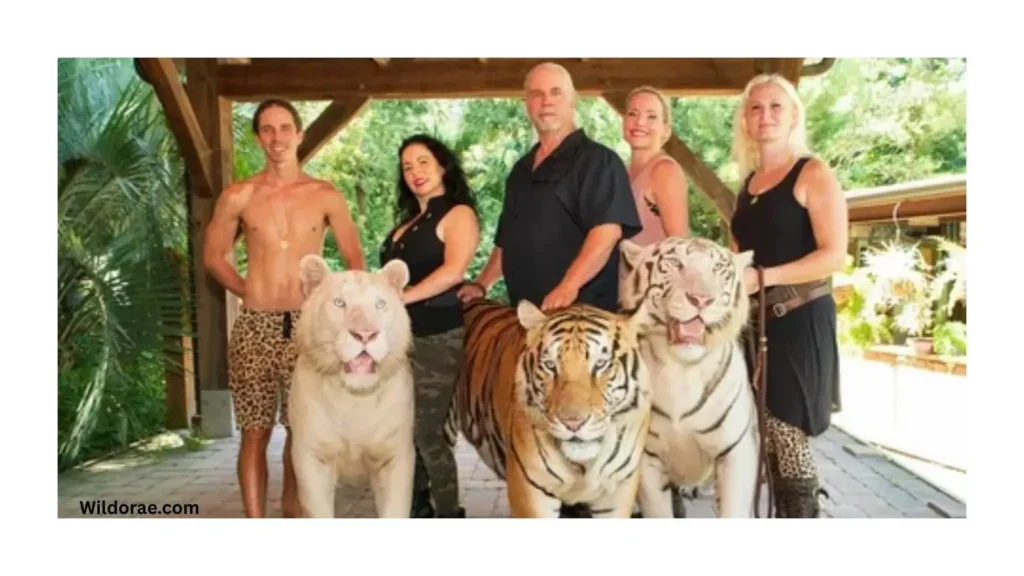
The story of Wildlife in Need Tim Stark captivates wildlife enthusiasts and curious visitors alike. Once promoted as a wildlife rescue, this facility housed a variety of exotic animals, from big cats to primates, claiming to provide care and education.
Despite its mission, serious concerns arose regarding animal welfare, habitat conditions, and ethical practices. The case highlights challenges faced by unaccredited animal sanctuaries and the critical importance of supporting legitimate endangered species conservation efforts.
Understanding this story helps people differentiate between genuine wildlife rescue operations and facilities that prioritize entertainment over proper care.
|Related: Wildlife belts and buckles
🔎 Quick Answer
“Wildlife in Need Tim Stark” refers to a now‑defunct wildlife facility in Charlestown, Indiana, and its owner, Tim Stark, who faced serious legal action for animal welfare violations and misuse of nonprofit funds. Federal agencies revoked his license and authorities removed the animals after extensive investigations.
🌿 Scientific Classification
Although “Wildlife in Need” isn’t a living organism, the animals involved ranged across classifications. Below is a simplified taxonomy for animals most often associated with captive exotic wildlife:
| Group | Examples | Scientific Class |
|---|---|---|
| Big Cats | Tigers, Lions | Mammalia |
| Primates | Monkeys | Mammalia |
| Bears | American Black Bear | Mammalia |
| Birds | Parrots, Owls | Aves |
| Reptiles | Snakes, Lizards | Reptilia |
These broad classes remind us of the diversity of wildlife once kept at the facility.
🐾 What “Wildlife in Need Tim Stark” Really Means
The phrase “Wildlife in Need Tim Stark” has been used online to describe:
- A former roadside zoo and purported rescue facility run by Tim Stark in Indiana.
- A center that claimed to rehabilitate and release wild animals while educating the public.
- A controversial organization that ultimately lost legal battles for its treatment of animals and financial mismanagement.
Initially, visitors were drawn by promises of seeing big cats, primates, and other exotic species up close. However, investigative reports and court findings revealed long‑standing issues in care, safety, and organizational conduct.
🧭 Habitat and Distribution
While animals at Wildlife in Need included species from diverse ecosystem types, here’s how they would naturally be distributed in the wild:
- Tigers & Lions: Native to Asia and Africa, respectively
- Monkeys: Tropical forests and savannas worldwide
- Bears: Forests, mountains, and tundra of North America, Asia, and Europe
- Parrots: Tropical and subtropical regions
Captive environments at the facility could never truly replace these complex natural habitats.
🍖 Diet and Hunting Behavior
In the wild, these animals have specific diets and behaviors:
- Big Cats: Carnivorous hunters relying on strength and stealth
- Primates: Omnivores consuming fruit, leaves, insects
- Birds of Prey: Carnivorous, hunting small mammals or insects
- Reptiles: Often opportunistic feeders
A key concern raised by regulators was that captive diets and enrichment at the facility did not always meet species‑appropriate standards.
🧬 Reproduction and Lifespan
In natural settings:
- Tigers: 8–10 years in the wild, up to 20 in protected reserves
- Lions: 10–14 years in the wild
- Monkeys: Lifespans vary by species (10–30+ years)
In captivity, lifespans can extend but quality of life depends heavily on proper care, social groups, and habitat — aspects severely questioned in Stark’s facility.
🧠 Behavior and Adaptations
Each species adapts uniquely to its niche:
- Big Cats: Ambush predators with camouflage
- Primates: Social, tool‑using animals
- Bears: Solitary, omnivorous foragers
- Birds: Flight and keen sensory skills
Such adaptations require space, enrichment, and opportunities to express natural behaviors — conditions often lacking in roadside exhibit settings.
⚠️ Threats and Conservation Status
Many animals once held by Wildlife in Need are classified as threatened or endangered in the wild. For example:
- Tigers: Endangered due to habitat loss and poaching
- Lions: Vulnerable with declining populations
Handling these animals outside of accredited, conservation‑focused sanctuaries risks undermining genuine preservation efforts.
💡 Interesting Facts
- Tim Stark appeared briefly in the Netflix series Tiger King, bringing global attention to his zoo.
- Federal authorities documented over 120 violations of the Animal Welfare Act at Wildlife in Need.
- U.S. Marshals and animal welfare groups later relocated dozens of animals to reputable sanctuaries.
❓ FAQs (Featured Snippet Optimized)
What happened to Wildlife in Need and Tim Stark?
Federal authorities revoked Tim Stark’s exhibitor license after finding numerous violations of animal welfare laws. The facility was shut down, and animals were transferred to accredited sanctuaries.
Was Wildlife in Need a real wildlife rescue?
The facility marketed itself as a nonprofit rescue but faced legal challenges over care practices and financial conduct, ultimately leading to closure.
Are the animals now safe?
Yes — many were seized and relocated to reputable sanctuaries where they receive proper care and enrichment.
Can Tim Stark own exotic animals again?
Court rulings have barred Tim Stark from ever acquiring or exhibiting exotic or native animals again.
Is cub petting bad for animal welfare?
Yes — cub petting and similar interactions can cause stress, poor socialization, and welfare issues for animals not suited to frequent human contact.
🧠 Summary
The story of wildlife in need Tim Stark is a cautionary tale. What was once presented as a sanctuary became well‑documented controversy over animal welfare, safety violations, and misuse of nonprofit funds. After legal actions, the facility closed and the animals found new homes in accredited sanctuaries where their needs are prioritized.