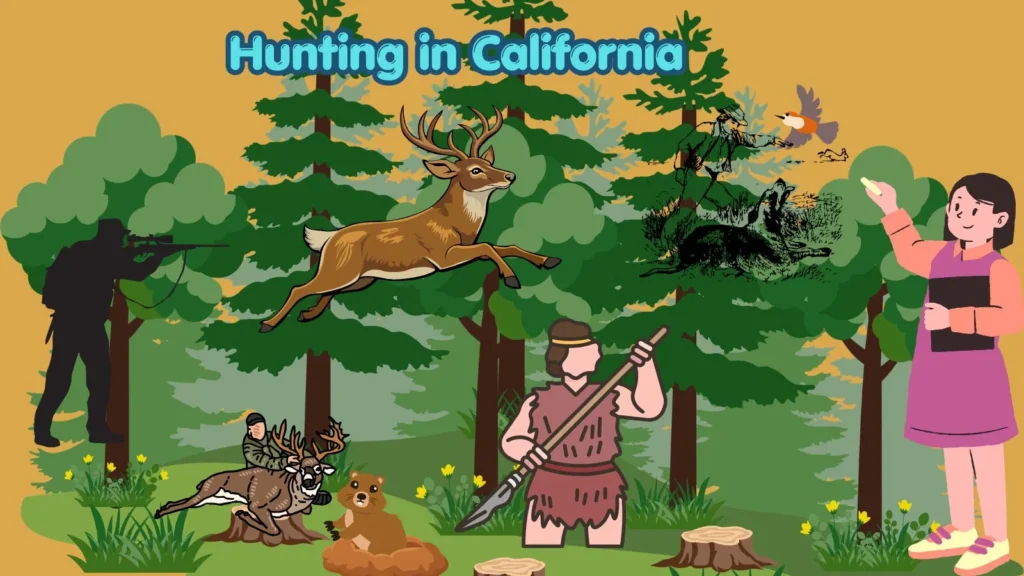
Few places in the United States offer hunting opportunities as diverse as California. From rugged mountain ranges and dense forests to open grasslands and wetlands, the Golden State supports a remarkable variety of game animals and birds. Whether you are pursuing black-tailed deer in the north, wild turkey in oak woodlands, or waterfowl in managed wetlands, hunting in California combines outdoor adventure with wildlife conservation.
Beyond recreation, responsible hunting plays an important role in managing wildlife populations and funding habitat restoration. Hunters contribute through license fees and conservation programs that help protect ecosystems for future generations. However, California also has some of the nation’s most detailed hunting regulations, making preparation essential before every trip.
You need to know about hunting in California, including wildlife species, habitats, legal requirements, hunting methods, safety tips, conservation efforts, and fascinating facts. Whether you are a beginner or an experienced hunter, this guide will help you enjoy California’s natural landscapes responsibly.
See Also: Wilderness Wildlife Center Bulger PA
Hunting in California: Quick Overview
| Feature | Details |
|---|---|
| Main Activity | Hunting wildlife and game species |
| Best Seasons | Fall and winter for most game species |
| License Required | Yes |
| Popular Game | Deer, wild pig, turkey, waterfowl, rabbit, quail |
| Main Hunting Areas | National forests, BLM lands, wildlife areas, private lands with permission |
| Wildlife Agency | California Department of Fish and Wildlife (CDFW) |
Scientific Classification
Unlike a single animal species, hunting in California involves numerous wildlife species managed under scientific classification. Common game animals include:
| Animal | Scientific Name |
|---|---|
| Mule Deer | Odocoileus hemionus |
| Black-tailed Deer | Odocoileus hemionus columbianus |
| Wild Pig | Sus scrofa |
| Wild Turkey | Meleagris gallopavo |
| Black Bear | Ursus americanus |
| Cottontail Rabbit | Sylvilagus audubonii |
Each species has unique hunting seasons, bag limits, and conservation regulations.
Physical Characteristics
Every hunting species found in California has distinctive physical features that help hunters identify them correctly.
For example:
- Mule deer have large ears resembling those of a mule.
- Black-tailed deer possess dark tails and slightly smaller bodies.
- Wild pigs feature muscular shoulders and curved tusks.
- Wild turkeys display colorful feathers and fan-shaped tails.
- California quail have a forward-curving topknot feather.
Correct identification prevents accidental harvest of protected wildlife and ensures legal hunting practices.
Habitat and Distribution
California’s changing landscapes create excellent habitats for many game species.
Forests
Northern California forests support:
- Black-tailed deer
- Black bears
- Wild turkey
Mountain Regions
Higher elevations provide habitat for:
- Mule deer
- Mountain quail
- Black bears
Grasslands
Open grasslands often contain:
- Wild pigs
- Rabbits
- Coyotes
Wetlands
California’s wetlands attract:
- Ducks
- Geese
- Other migratory waterfowl
Public hunting opportunities exist across national forests, Bureau of Land Management (BLM) lands, state wildlife areas, and approved private properties.
Diet and Hunting Behavior
Game animals survive by adapting to California’s diverse environments.
Deer
Deer feed on:
- Leaves
- Shrubs
- Acorns
- Grass
- Young shoots
They become most active during early morning and late evening.
Wild Pigs
Wild pigs eat:
- Roots
- Nuts
- Fruits
- Insects
- Small animals
Their excellent sense of smell helps them locate hidden food beneath the soil.
Wild Turkeys
Turkeys consume:
- Seeds
- Berries
- Insects
- Acorns
They often forage in groups before flying into trees at sunset.
Understanding animal feeding habits greatly improves hunting success while reducing unnecessary disturbance.
Reproduction and Lifespan
Wildlife populations depend on healthy breeding cycles.
Deer
- Mating season occurs during autumn.
- Fawns are born in spring.
- Average lifespan reaches 8–12 years in the wild.
Wild Pig
- Can reproduce twice annually.
- Litters usually contain 4–8 piglets.
- Average lifespan ranges from 5–10 years.
Wild Turkey
- Nest during spring.
- Hens lay around 10–12 eggs.
- Wild turkeys typically live 3–5 years.
California wildlife managers carefully monitor reproduction to establish sustainable hunting seasons.
Behavior and Adaptations
Remarkably, California game animals have evolved behaviors that improve survival.
Seasonal Movement
Many deer migrate between summer mountain ranges and lower winter habitats.
Camouflage
Natural coloring allows wildlife to blend into forests, grasslands, and rocky terrain.
Sharp Senses
Most game species possess:
- Excellent hearing
- Strong smell
- Wide-angle vision
These abilities make ethical hunting challenging and rewarding.
Survival During Drought
Many California animals adjust feeding patterns during dry years, demonstrating remarkable adaptability.
Popular Species for Hunting in California
Hunters travel across the state to pursue several well-managed game species.
Big Game
- Mule deer
- Black-tailed deer
- Wild pig
- Black bear (subject to current regulations)
Upland Game Birds
- California quail
- Mountain quail
- Wild turkey
- Dove
Small Game
- Rabbit
- Squirrel
Waterfowl
- Ducks
- Canada geese
- Snow geese
Each species has unique seasons and harvest regulations.
Hunting Seasons in California
Although dates change annually, California generally offers:
| Season | Common Game |
|---|---|
| Spring | Wild turkey |
| Summer | Some upland opportunities |
| Fall | Deer, pig, quail, dove |
| Winter | Waterfowl, rabbit |
Hunters should always verify current regulations before planning a trip.
Legal Requirements for Hunting in California
Responsible hunting in California begins with understanding state laws.
Hunters generally need:
- Valid California hunting license
- Species-specific tags when required
- Hunter education certificate
- Appropriate firearm or archery equipment
- Permission for private land access
Failure to follow regulations may result in fines or license suspension.
Safety Tips for Hunting in California
Safety protects hunters, wildlife, and outdoor visitors alike.
Before the Hunt
- Check weather conditions.
- Study local regulations.
- Inspect equipment.
- Inform someone about your plans.
During the Hunt
- Always identify your target.
- Wear hunter orange where required.
- Keep firearms pointed safely.
- Respect property boundaries.
After the Hunt
- Handle harvested game properly.
- Leave no litter.
- Report harvests if required.
Safe hunters create positive experiences for everyone outdoors.
Benefits of Hunting in California
Responsible hunting provides numerous benefits.
- Supports wildlife conservation through license fees.
- Helps maintain balanced wildlife populations.
- Provides healthy, organic wild meat.
- Encourages outdoor recreation.
- Builds survival and navigation skills.
- Strengthens appreciation for natural ecosystems.
Ethical hunting also supports habitat restoration projects across California.
Potential Risks and Side Effects
Every outdoor activity carries certain risks.
Hunters should remain aware of:
- Heat exhaustion
- Dehydration
- Difficult terrain
- Wildlife encounters
- Firearm accidents caused by negligence
- Tick bites and poison oak exposure
Proper preparation significantly reduces these risks.
Practical Tips for Successful Hunting
Improve your experience by following proven strategies.
- Scout locations before opening day.
- Learn animal tracks and signs.
- Hunt during early morning hours.
- Stay quiet and move slowly.
- Practice accurate shooting regularly.
- Respect ethical shot placement.
- Pack enough water and emergency supplies.
Patience often produces better results than rushing through the landscape.
Threats and Conservation Status
Wildlife populations face numerous environmental challenges.
Major threats include:
- Habitat loss
- Urban expansion
- Wildfires
- Drought
- Invasive species
- Illegal poaching
- Climate change
Fortunately, California invests heavily in wildlife conservation through habitat restoration, scientific monitoring, and regulated hunting programs.
Responsible hunters remain valuable partners in protecting wildlife for future generations.
Interesting Facts
Here are several fascinating facts about hunting in California and its wildlife.
- California contains more than 100 million acres of diverse habitats.
- The state supports one of North America’s largest hunting communities.
- Deer migration routes can stretch dozens of miles.
- Wild pigs are an introduced species rather than native wildlife.
- California quail became the official state bird in 1931.
- License fees directly support wildlife conservation projects.
Frequently Asked Questions
Is hunting in California legal?
Yes. Hunting in California is legal with the required licenses, tags, and compliance with California hunting regulations.
What animals can you hunt in California?
Popular game includes deer, wild pigs, rabbits, wild turkey, quail, squirrels, ducks, and geese, depending on the season.
Do beginners need hunter education?
Yes. Most first-time hunters must complete an approved hunter education course before purchasing a hunting license.
When is the best time for hunting in California?
Fall offers the widest variety of hunting opportunities, although spring turkey season and winter waterfowl seasons are also popular.
Why is hunting important for conservation?
Regulated hunting helps control wildlife populations while funding habitat restoration, wildlife research, and conservation programs through license fees.
Summary
Hunting in California offers exceptional opportunities across forests, mountains, wetlands, and grasslands. The state’s diverse wildlife, carefully managed hunting seasons, and strong conservation programs make it one of America’s premier hunting destinations. Success depends on understanding regulations, respecting wildlife, practicing firearm safety, and using ethical hunting methods. By following California’s wildlife laws and supporting conservation efforts, hunters help ensure healthy ecosystems and sustainable game populations for generations to come.
Conservation Awareness
Wildlife belongs to everyone. Practice ethical hunting in California, respect hunting regulations, leave natural habitats cleaner than you found them, and support conservation programs that protect California’s incredible wildlife heritage. Every responsible hunter plays a vital role in preserving healthy ecosystems for future generations.