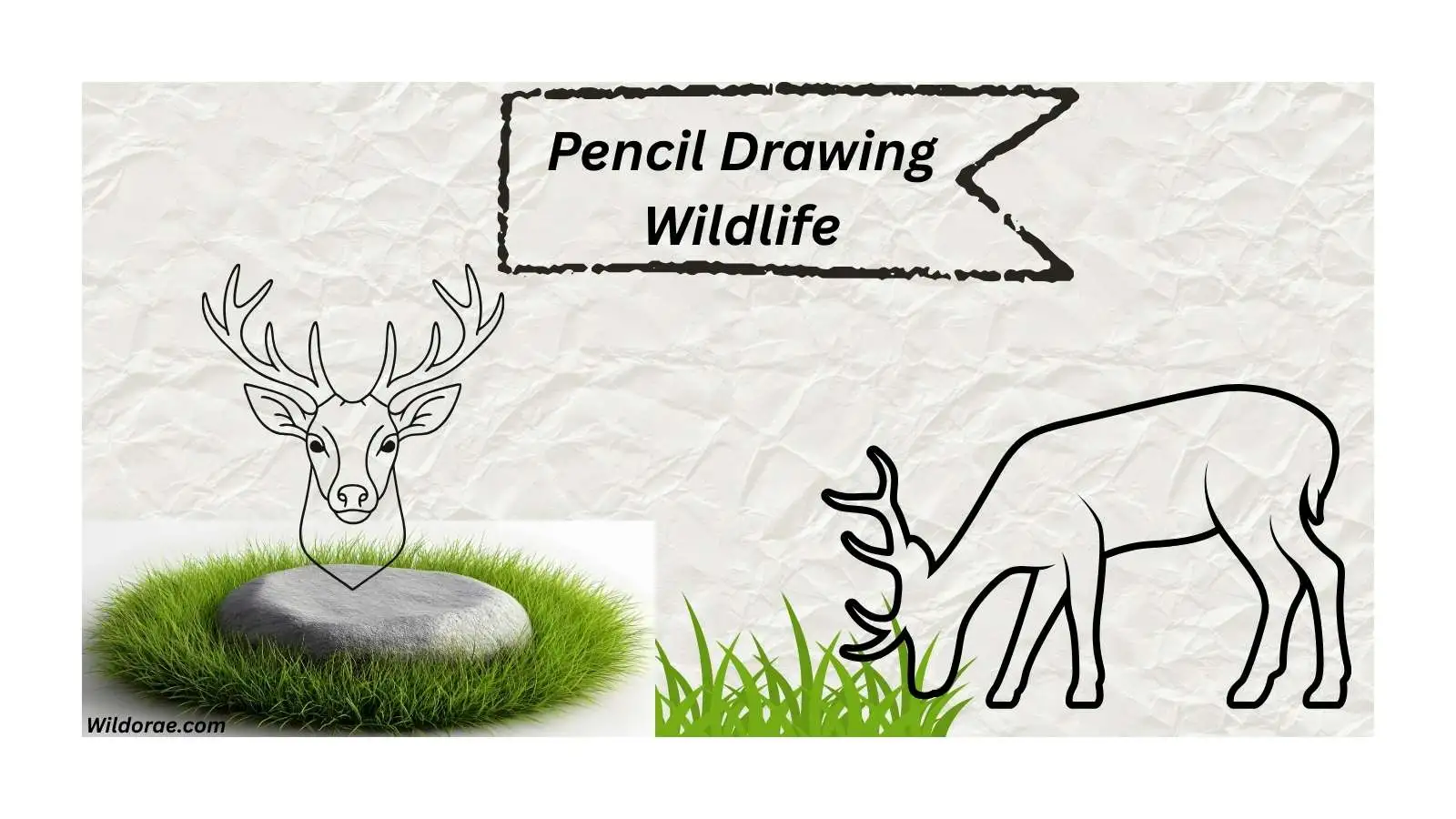
Pencil drawing wildlife is a beautiful and rewarding form of wildlife art that captures the essence of animals in stunning detail. Many artists find joy in creating pencil drawings of animals because it allows them to showcase their skill and love for nature. Using realistic animal drawings, artists bring wildlife to life on paper with careful shading and textures. Whether you are a beginner or an experienced wildlife artist, mastering pencil sketch wildlife techniques opens doors to creating captivating animal portraits. In this article, you will learn the best methods, tools, and tips to improve your wildlife pencil drawings and make your art truly stand out.
Why Choose Black and White Pencil Drawings?
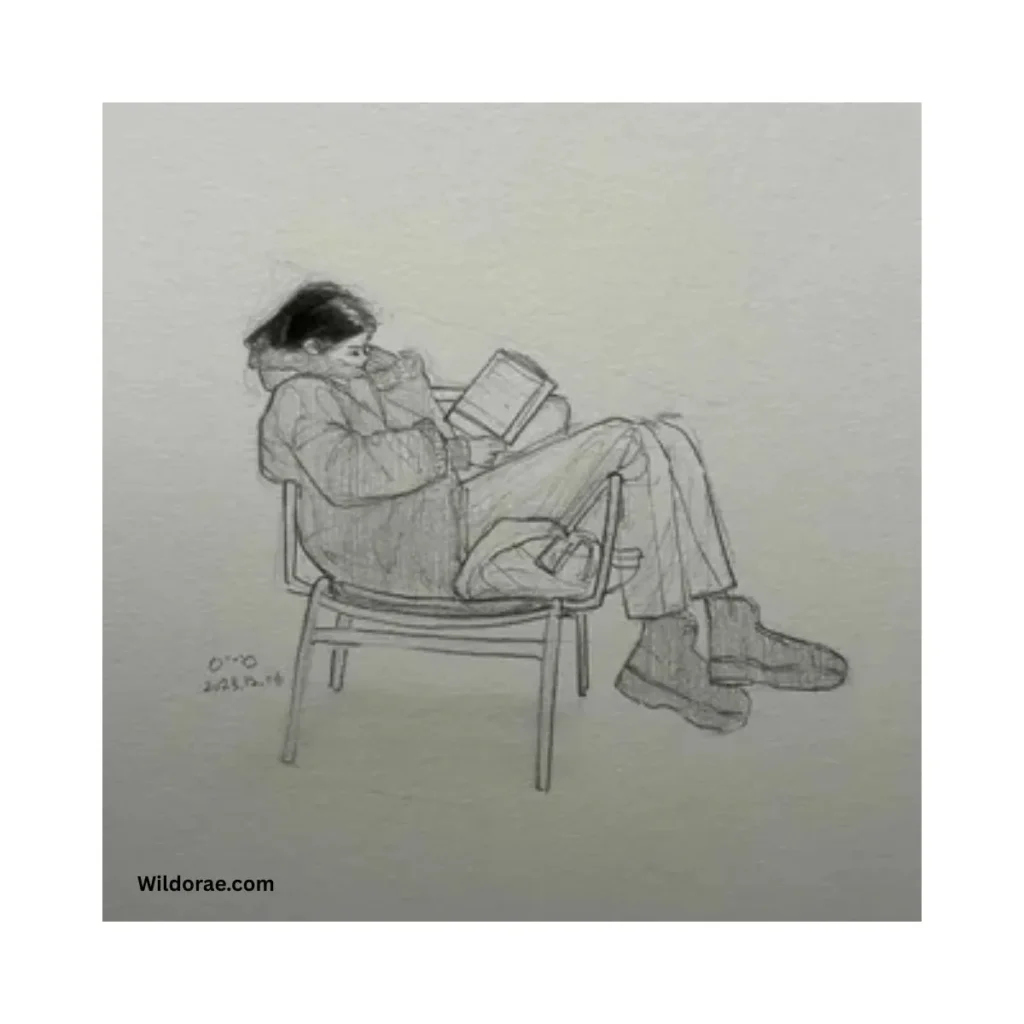
Black and white art has a classic and timeless feel. Many artists prefer black and white wildlife drawings because they focus on texture and shading. Without color, the eye sees details like fur and shadows more clearly. Using pencils allows for soft and smooth lines that bring out these effects.
Another reason to choose pencil art is its simplicity. Pencils are easy to carry, affordable, and don’t need special tools. Many wildlife artists enjoy the challenge of creating complex images with just pencil strokes. Also, black and white drawings fit well in any home or gallery, making them popular for sale. This style of art is perfect for showing the beauty of wildlife in a pure and simple way.
Time, Patience, and Authenticity in Wildlife Drawings
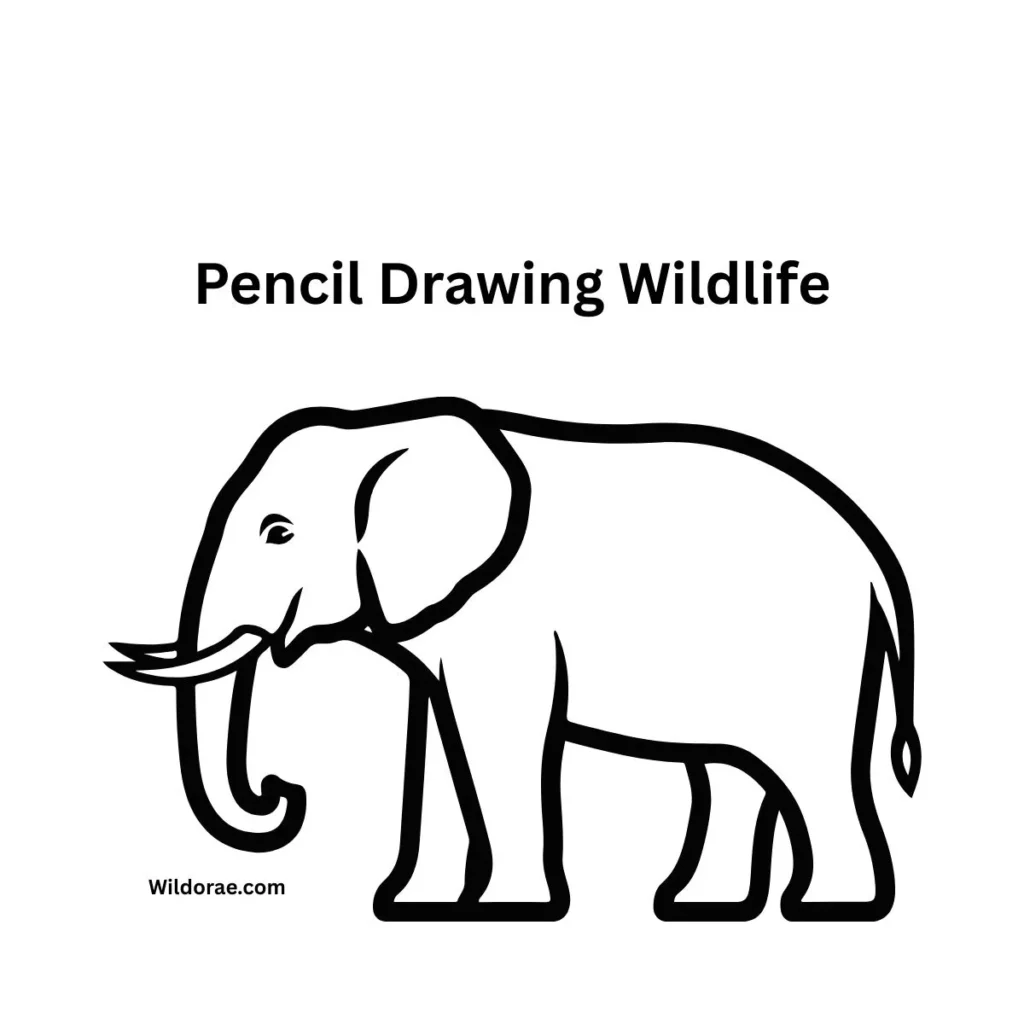
Drawing wildlife takes a lot of time and patience. Artists must spend hours on one piece, working on small details like fur strands or the shine in an eye. This slow and careful process is part of what makes pencil drawings of animals so special. It allows artists to create depth and realism that you can’t get with quick sketches.
Authenticity is key in wildlife art. Many artists believe in drawing what they see themselves or using photos they took. This makes their work true to life. When artists capture the real personality of an animal, their drawings connect deeply with viewers. This emotional link makes wildlife pencil sketches more than just pretty pictures—they become stories about nature.
Limited vs Open Edition Prints: What Artists Need to Know
When selling wildlife art, artists choose between limited edition prints and open edition prints. Limited edition prints have a fixed number of copies. This makes them rare and often more valuable. Collectors like limited editions because they know the print won’t be made again. However, once sold out, artists can’t earn more from these prints.
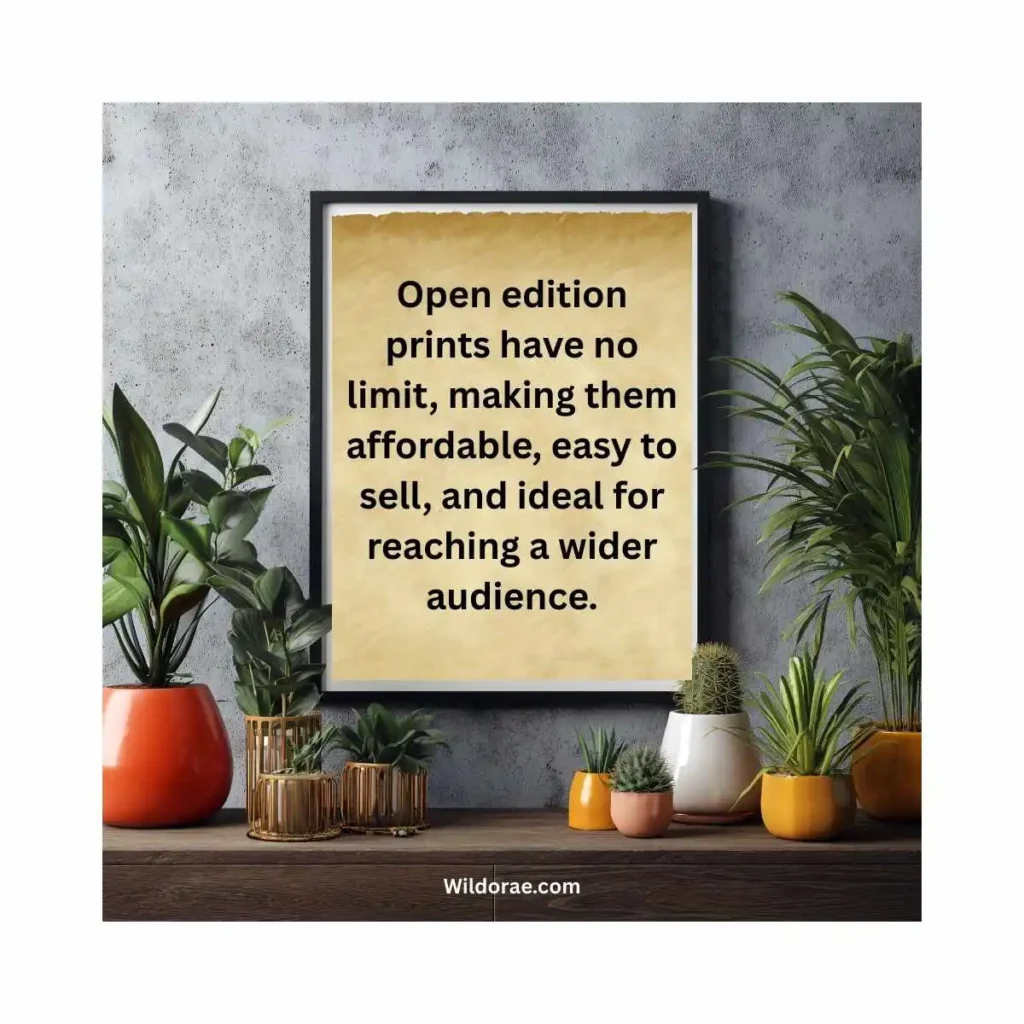
Open edition prints can be made in unlimited numbers. They sell more copies over time but are less exclusive. Many wildlife artists use a mix of both. Limited editions attract collectors and higher prices. Open editions allow more people to enjoy the art at lower costs. Understanding these options helps artists decide the best way to sell their work and grow their wildlife art business.
How to Start and Grow a Wildlife Art Business
Starting a wildlife art business begins with building a strong portfolio of pencil drawing wildlife. Artists need a collection of their best animal sketches to show to buyers. This includes realistic wildlife illustrations that highlight their skill in wildlife drawing techniques and graphite pencil art.
Marketing is also important. Many artists sell art prints online through platforms like Etsy or their own websites. Social media helps reach fans of wildlife art. Pricing prints correctly is key, too. Beginners should research how much other artists charge for similar work. As sales grow, artists can expand by offering limited edition prints or original drawings. Consistent effort and passion help wildlife artists succeed in the growing wildlife art market.
Tools and Techniques: How to Draw Wildlife Accurately
Good wildlife pencil drawings need the right tools and methods. Artists use soft and hard graphite pencils, blending stumps, and quality paper to create detailed textures. The wildlife drawing grid method is popular to keep proportions accurate. This involves dividing a reference photo and drawing the same grid on paper.
Shading is important in pencil art supplies. Artists layer graphite to show light and shadow, giving animals three-dimensional looks. Knowing how to measure animal features for art helps with correct size and shape. Practice with these techniques improves an artist’s ability to capture fine details like fur patterns or feather structures, making each drawing a true masterpiece.
FAQs
Q: What can a 7 year old draw realistic?
A: A 7-year-old can draw simple animals, trees, and basic shapes with some realistic details.
Q: How to draw easy wildlife animals?
A: Start with basic shapes, observe animal photos, and add simple details step by step.
Q: What pencils are best for animal drawings?
A: Graphite pencils ranging from 2H to 6B work best for shading and fine details in animal drawings.
Q: What are 100 things to draw?
A: Everyday objects, animals, nature scenes, people, and imaginative creatures make great drawing ideas.
Q: Can AI color my drawing?
A: Yes, AI tools can automatically add color to black-and-white drawings quickly and accurately.
Q: What is the rarest color of rose?
A: Blue roses are considered the rarest because they don’t occur naturally.
Q: How to draw a rose in 1 minute?
A: Sketch a spiral for the center, then add petal shapes around it quickly with loose strokes.
Q: How to draw extremely fast?
A: Use simple shapes, focus on outlines, avoid details, and practice quick sketching regularly.
Final Thoughts
Drawing wildlife is more than an art; it’s a way to connect with nature. For many, creating animal portrait drawings inspires a deeper respect for wildlife and conservation. These artworks tell stories about animals and their environments.
Whether you are a beginner or an experienced wildlife artist, pencil drawing wildlife offers endless learning and joy. The skills you develop will not only improve your art but can lead to a successful wildlife art business. The beauty of wildlife captured on paper touches hearts and helps keep the natural world alive in our minds.
| Topic | Description |
|---|---|
| Pencil Drawing Wildlife | Creating realistic wildlife art with pencils |
| Black and White Pencil Drawings | Focus on texture and timelessness without color |
| Time and Patience | Importance of slow, detailed work and emotional authenticity |
| Limited vs Open Edition Prints | Options for selling art with pros and cons |
| Starting a Wildlife Art Business | Building portfolio, marketing, pricing, and sales |
| Tools and Techniques | Graphite pencils, grid method, shading, and measuring |
| Why Drawing Wildlife is Rewarding | Connecting with nature and inspiring conservation |