Wildlife art taxidermy is a unique craft that blends creativity, science, and respect for nature. In the United States, Wildlife taxidermy is valued for preserving animals in a realistic and educational way. It helps people remember special hunts, learn about wildlife, and appreciate natural history. Through careful techniques, Wildlife taxidermy turns animal forms into lasting art that tells a story. Museums, schools, and private collectors often rely on Wildlife taxidermy for learning and display. When done ethically, Wildlife taxidermy supports conservation awareness and keeps wildlife heritage alive for future generations while honoring the animals and the outdoors.
Understanding Wildlife Art and Taxidermy
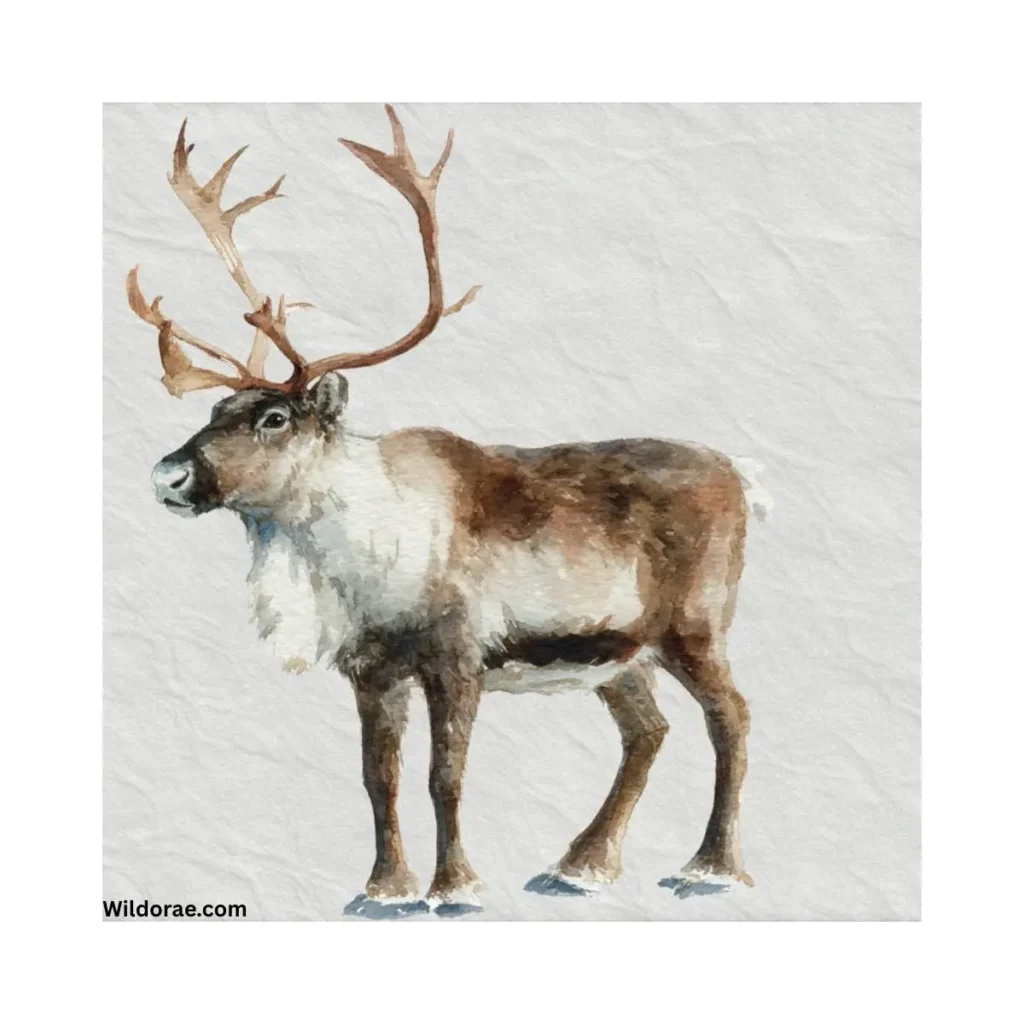
Wildlife art taxidermy comes from the Greek origin of taxidermy, meaning the art of arranging skin. The goal is arranging animal skin realistically so the animal looks alive again. This practice has roots in museums, hunting traditions, and early science. Over time, it became a respected craft that blends anatomy, sculpture, and painting. Taxidermy history shows how humans have always wanted to preserve nature and learn from it.
Today, wildlife art taxidermy is used for educational taxidermy, museums, and personal collections. It plays a role in scientific specimen preservation and wildlife preservation art. Many schools and nature centers use mounts to teach children about animals they may never see in the wild. This makes taxidermy an important tool for learning and awareness.
Mastering the Art of Wildlife Preservation
The process of wildlife art taxidermy starts with careful skin preparation. Hide tanning methods are used to prevent decay and keep fur soft. Modern artists often use foam body reconstruction to match the animal’s true shape. Some still practice the traditional excelsior wrapping method, which requires deep skill and experience. Both methods aim to create balance, accuracy, and durability.
Mastering this craft takes years. A taxidermist studies anatomy, muscle movement, and animal behavior. This knowledge helps create realistic animal mounts that capture emotion and motion. These techniques are key in animal mounting techniques and trophy animal preservation, especially for large or detailed animals.
Professional Wildlife Taxidermy and Art Services

Professional services cover many needs. Hunters often request hunting trophy mounts or European mounts, while collectors seek custom displays. Museums and schools rely on taxidermists for natural history displays and wildlife research and education. Each project is planned carefully to meet ethical and legal standards.
Professional taxidermists also work in training and education. Professional taxidermist training programs teach safety, anatomy, and artistic skills. Many artists also mentor beginners through youth taxidermy programs and beginner taxidermy projects. These efforts support creative wildlife arts and keep traditions alive.
Wildlife Conservation, Ethics, and Sustainability

Ethics are central to wildlife art taxidermy. Responsible artists follow laws and respect ethical wildlife use. Most work is done with harvested game animals taken legally by hunters or trappers. This supports conservation by honoring animals taken for food or population control.
Taxidermy also supports wildlife conservation education. Many organizations use mounts in outdoor education programs and environmental education initiatives. These displays help people understand ecosystems and animal behavior. This hands-on approach builds respect for wildlife and supports conservation leadership development.
Gallery Showcase and Artistic Portfolio

A gallery shows the true skill of a taxidermist. Each piece reflects artistic wildlife recreation and attention to detail. From small mammals to predators, every mount tells a story. Portfolios often include bobcat taxidermy, coyote taxidermy, and birds that highlight texture and movement.
These displays are also learning tools. Museums and schools use them for learning through field experience. They support wildlife heritage and traditions by connecting people to nature. A strong portfolio builds trust and shows consistency in quality and realism.
Pricing, Deposits, and Project Process
Pricing in wildlife art taxidermy depends on size, detail, and technique. Larger animals and custom poses require more time and materials. Below is a simple table showing general pricing factors.
| Project Type | Time Required | Skill Level |
|---|---|---|
| European mounts | Short | Medium |
| Small mammal mounts | Medium | Medium |
| Large predator mounts | Long | High |
Most taxidermists require deposits before work begins. This covers materials and labor. Clear communication helps clients understand timelines and care instructions. This process ensures satisfaction and long-lasting results.
Why Choose a Professional Wildlife Art Taxidermist
Choosing a professional means choosing quality and respect. Skilled artists understand anatomy, law, and ethics. They know how to preserve detail and emotion. Their work reflects taxidermy as an art form, not just a service. This level of care protects both the animal and the memory behind it.
Professional taxidermists also contribute to community learning. Many support youth wildlife mentorship, Pennsylvania wildlife programs, and national education efforts. Their work helps preserve culture, knowledge, and respect for nature. In this way, wildlife art taxidermy becomes a bridge between tradition and conservation.
FAQs
Q: Is taxidermy legal in Washington state?
A: Yes. Taxidermy is legal in Washington, but it must follow state wildlife laws and licensing requirements.
Q: How much does taxidermy typically cost?
A: Costs usually range from a few hundred to several thousand dollars, depending on the animal and mount style.
Q: Is it illegal to taxidermy without a license?
A: Yes. In most U.S. states, including Washington, professional taxidermy requires a valid license.
Q: Is it legal to have yourself taxidermied?
A: No. Human taxidermy is illegal in the United States for legal, ethical, and health reasons.
Q: What is the 40 day rule after death?
A: There is no official 40-day rule in taxidermy; laws depend on state regulations and circumstances.
Q: What states allow human taxidermy?
A: None. No U.S. state legally permits traditional human taxidermy.
Q: What is the hardest animal to taxidermy?
A: Animals with detailed facial features and complex anatomy, such as primates or large predators, are the hardest.
Q: Who was the man who had himself taxidermied?
A: Philosopher Jeremy Bentham requested his body be preserved, but it was not true taxidermy.
Q: Has any human ever been taxidermied?
A: True human taxidermy is extremely rare and not legally practiced; most preserved bodies use other methods.
Final Thoughts
Wildlife art taxidermy is a meaningful blend of skill, respect, and creativity. It allows people to honor animals, preserve important memories, and support education and conservation. When done responsibly, taxidermy connects hunters, artists, students, and nature lovers to wildlife in a lasting way. Choosing a trained and ethical professional ensures quality work and respect for wildlife traditions. In the United States, wildlife art taxidermy continues to play an important role in cultural heritage, learning, and conservation awareness, keeping the beauty and story of the natural world alive for future generations.