The Wildlife Works Panorama documentary has drawn strong global attention after the BBC Panorama Wildlife Works investigation revealed serious concerns around conservation and carbon credits. This report focuses on the Kasigau REDD project Kenya, a well-known forest protection initiative linked to international climate funding. Through powerful storytelling, the documentary questions how Carbon offset projects Kenya operate and whether they truly protect local communities.
The program also highlights growing debate around the REDD carbon credits controversy, showing how climate solutions can sometimes cause harm instead of help. For US audiences, this story matters because it connects corporate climate promises, human rights, and environmental responsibility in one complex case.
Panorama Documentary About Wildlife Works
The Wildlife Works Panorama documentary is part of a long tradition of BBC investigative journalism that focuses on uncovering hidden power structures. Panorama examined claims made by Wildlife Works about protecting forests while improving lives. The documentary questioned whether these promises matched reality on the ground.
The Carbon trading documentary BBC episode explored how carbon credits are sold to large companies as a solution to climate change. It showed that behind these credits, there may be Human rights violations, weak oversight, and poor accountability. This raised serious questions about trust in the global Carbon offset industry.
Kasigau REDD Project in Kenya – Background and Objectives
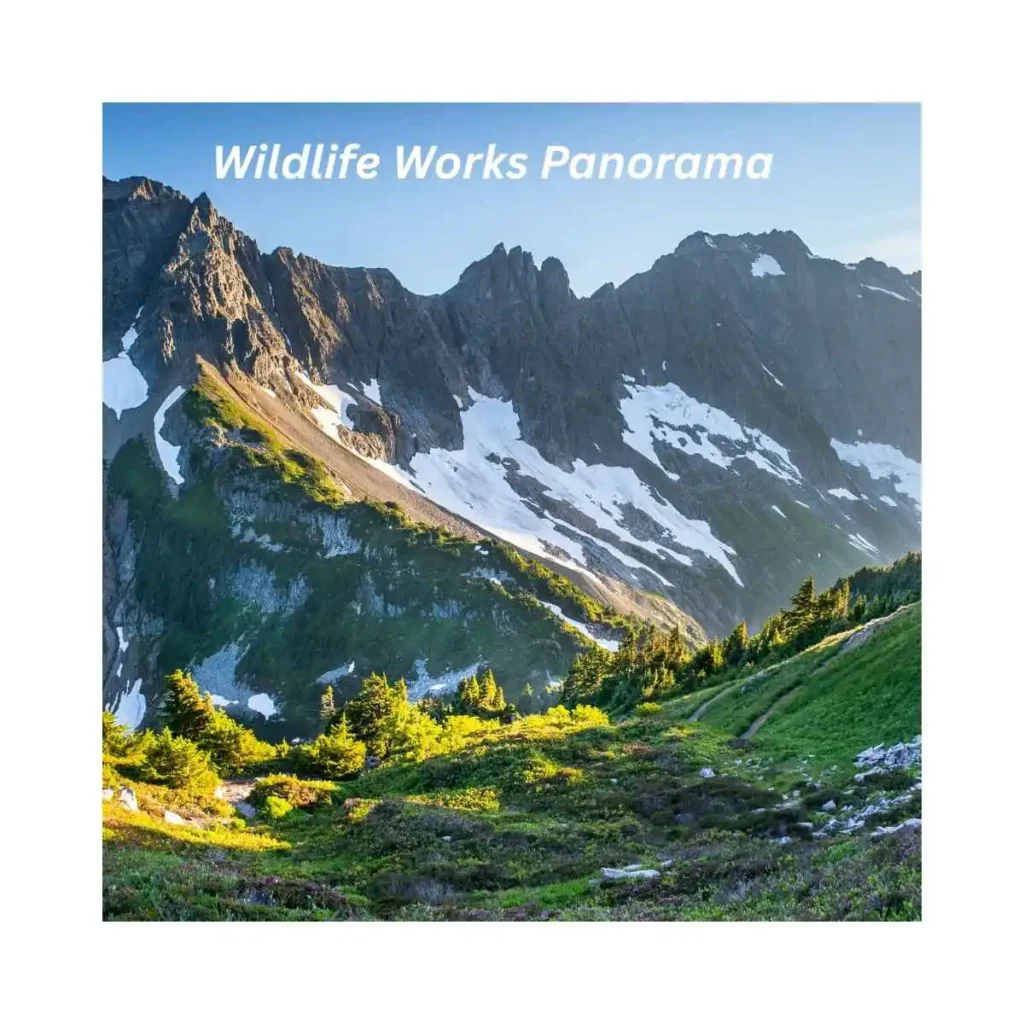
The Kasigau REDD project Kenya is a large Kenya forest carbon project located between Tsavo East and Tsavo West national parks. It was designed as a Forest conservation project that prevents deforestation and generates carbon credits for international buyers. These credits are sold under the REDD framework, which stands for Reducing Emissions from Deforestation and Forest Degradation.
The Wildlife Works REDD project claims it supports wildlife protection, jobs, schools, and healthcare. It is also one of the most well-known Carbon offset projects Kenya has produced. However, the REDD carbon credits controversy began when researchers and journalists questioned whether protecting forests should come at the cost of Community land rights.
Mike Korchinsky and the Origins of Wildlife Works
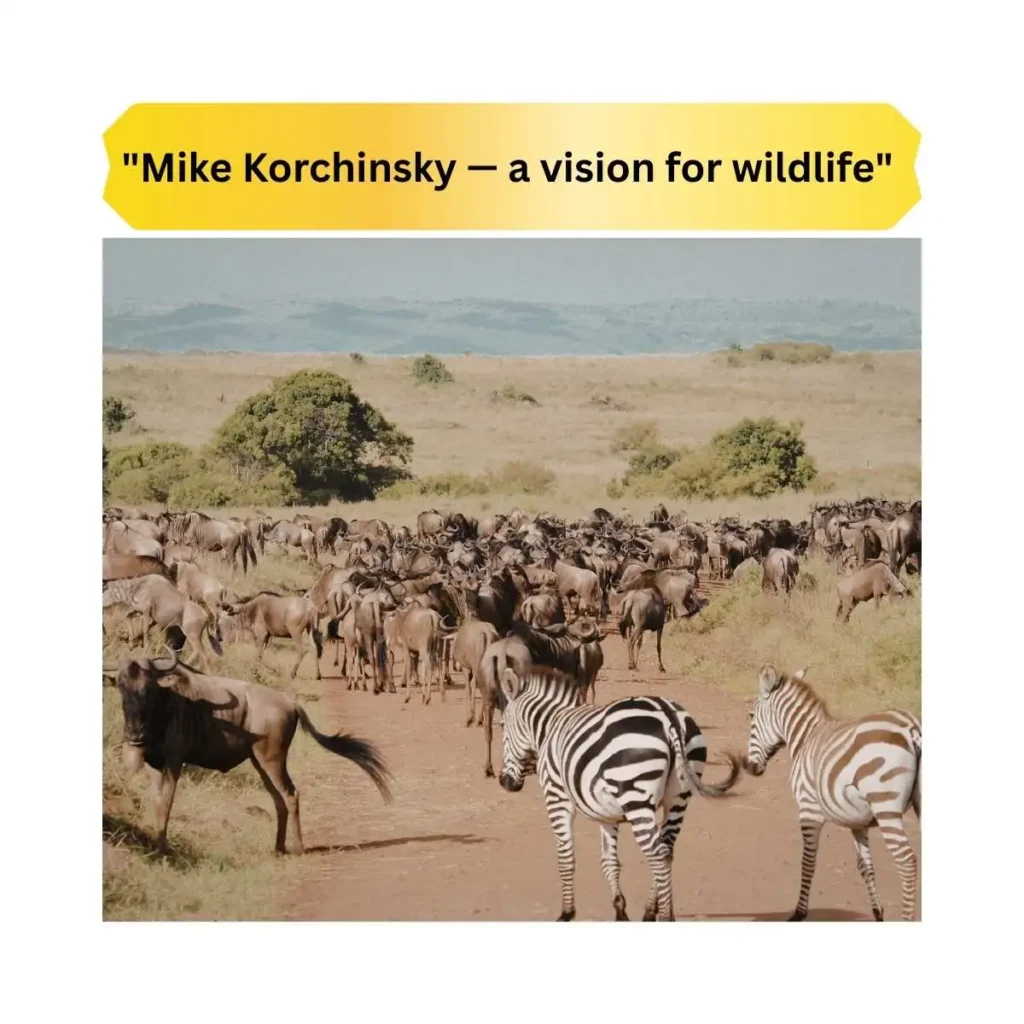
Wildlife Works Mike Korchinsky is an American entrepreneur who founded the company after visiting Kenya in the 1990s. His idea was simple but ambitious. He believed wildlife conservation could succeed only if it also made financial sense for local people. This vision led to the creation of Wildlife Works in southeastern Kenya.
Over time, the company moved from tourism and manufacturing into carbon markets. Carbon credit sales became the main source of income. The documentary showed how this shift placed Wildlife Works at the center of the global debate on Climate change mitigation and private conservation funding.
Evictions and Human Rights Allegations in the Kasigau Area
One of the most serious issues raised by Panorama was the Evictions of local communities. The documentary included testimonies from members of the Waduruma ethnic group, who said they were forced off land they had lived on for decades. These Wildlife Works eviction claims describe burned homes, destroyed crops, and lost livelihoods.
The allegations point to possible Human rights violations tied to conservation enforcement. Critics argue that protecting forests should not involve violence or displacement. This case became central to discussions about ethical conservation and respect for Community land rights in Africa.
Sexual Harassment Allegations Highlighted by Panorama
Another disturbing part of the investigation involved Sexual harassment allegations made by women working within the project. The documentary referenced findings from the SOMO investigation report and the Kenya Human Rights Commission, which documented years of alleged abuse.
Several women described fear, silence, and abuse of power by supervisors, raising concerns about Ranger misconduct. These Wildlife Works Kenya allegations damaged the project’s reputation and led to internal action, including dismissals. The case highlighted the risks women face in isolated conservation projects.
“Dog Training” Remarks and Corporate Power Dynamics
Panorama also focused on controversial comments made by Mike Korchinsky at a public event. He compared motivating communities to training a dog, which sparked outrage. Many saw this as a symbol of unequal power between corporations and rural communities.
These remarks became a powerful example of how language reflects control. Critics argue that such attitudes reinforce Greenwashing by corporations while ignoring real community voices. The case shows how corporate leadership can influence trust and legitimacy in conservation projects.
Wildlife Works, Carbon Credits, and Global Forest Conservation Debate
The documentary linked Wildlife Works to major buyers such as Netflix carbon credits, airlines, banks, and technology firms. These companies buy offsets to claim climate responsibility while continuing Fossil fuel emissions. This raised questions about whether carbon credits delay real climate action.
The table below shows how revenue sharing has been described by Wildlife Works compared to critics’ concerns.
| Aspect | Wildlife Works Claim | Critics’ Concern |
|---|---|---|
| Revenue sharing | Community revenue sharing above 70 percent | Lack of transparency |
| Land ownership | Payments to Forest land owners | Unequal benefit distribution |
| Certification | Verra certification review approved project | Review process questioned |
The BBC Panorama carbon credits investigation shows why REDD projects criticism is growing worldwide. Many experts now argue that forest protection must focus on people first, not just carbon numbers.
FAQs
What are the Big 7 animals?
The Big 7 animals include lion, leopard, elephant, rhino, buffalo, whale, and great white shark.
What is WWF in wildlife?
WWF (World Wide Fund for Nature) is a global NGO that works to protect wildlife, forests, oceans, and the climate.
Who is the CEO of Wildlife Works?
Mike Korchinsky is the founder and CEO of Wildlife Works, a company focused on forest conservation and carbon projects.
What are WWF projects?
WWF projects focus on wildlife protection, climate change, forest conservation, water security, and sustainable development.
What is WWF and IUCN?
WWF is a conservation NGO, while IUCN (International Union for Conservation of Nature) is a global body that sets conservation standards and the Red List.
Which NGOs are working for environmental protection?
Major environmental NGOs include WWF, Greenpeace, IUCN, Conservation International, and Friends of the Earth.
What is WWF in Pakistan?
WWF Pakistan works on wildlife conservation, climate change awareness, water protection, and sustainable farming.
Conclusion
The Kasigau carbon offset scandal is not just about one project. It reflects global problems in the Carbon offset industry. The Wildlife Works human rights issues revealed by Panorama show the risks of mixing profit, climate goals, and weak oversight.
For US audiences, this story matters because corporate climate promises affect global communities. Real Wildlife conservation funding must protect forests without harming people. The Wildlife Works Panorama documentary reminds us that climate solutions must be fair, transparent, and centered on human dignity