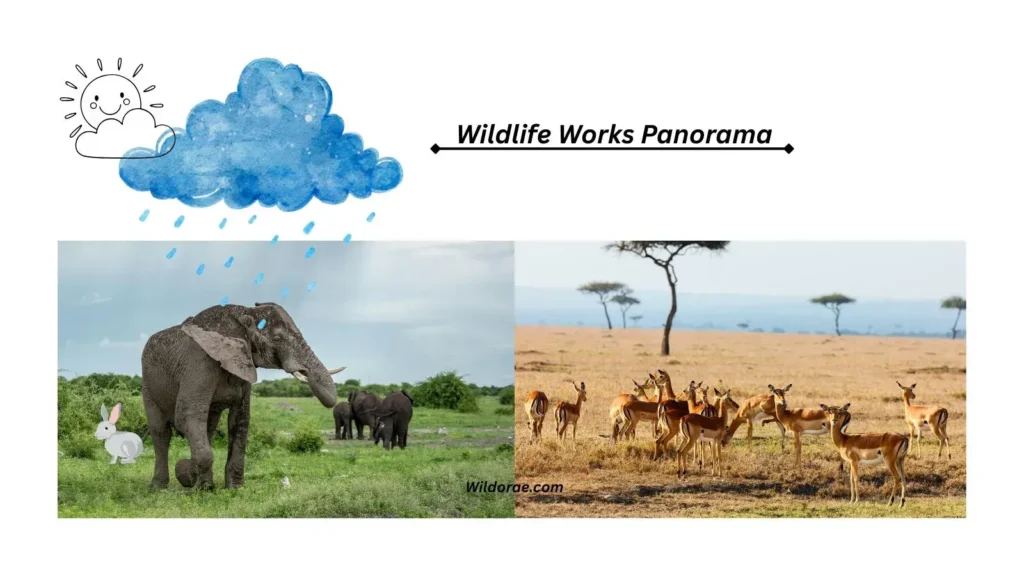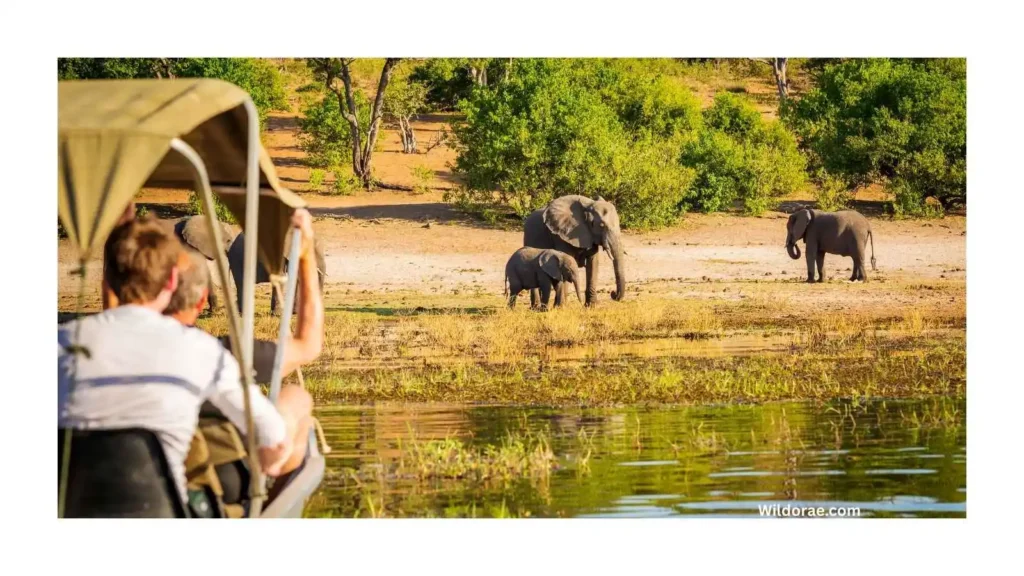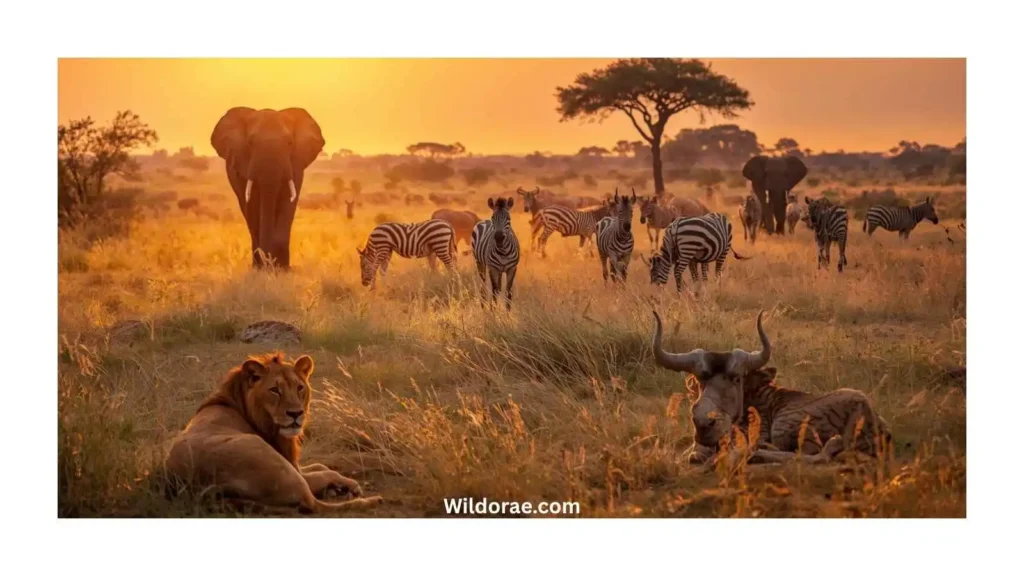
The wild animals of the Serengeti create one of the most extraordinary wildlife experiences on Earth, attracting nature lovers and researchers alike. This vast ecosystem is home to diverse species that shape the balance of life through migration, hunting, and survival. Many people explore Serengeti wildlife safari opportunities to witness the famous Great Migration and observe animals in their natural habitat.
From powerful predators to gentle grazers, the region highlights the beauty of African savannah animals and their interactions. Understanding Serengeti ecosystem biodiversity, wildlife conservation in Africa, and Serengeti animal migration patterns helps us appreciate and protect this unique environment.
|Related: Endangered animals in south africa
Scientific Classification
Below is a simplified classification table of major wild animals of the Serengeti:
| Animal | Class | Order | Family |
|---|---|---|---|
| Lion | Mammalia | Carnivora | Felidae |
| African Elephant | Mammalia | Proboscidea | Elephantidae |
| Cheetah | Mammalia | Carnivora | Felidae |
| Wildebeest | Mammalia | Artiodactyla | Bovidae |
| Zebra | Mammalia | Perissodactyla | Equidae |
| Hyena | Mammalia | Carnivora | Hyaenidae |
This classification helps researchers organize species scientifically and understand relationships.
Physical Characteristics
Lions
- Muscular body with golden fur
- Males have thick manes
Elephants
- Large ears and long trunks
- Thick skin for protection
Cheetahs
- Slim bodies built for speed
- Distinct black tear marks
Wildebeest
- Strong shoulders and curved horns
- Dark, shaggy coat
Zebras
- Unique black-and-white stripes
- Strong legs for running
Each species has evolved features that support survival in the Serengeti’s challenging environment.
Habitat and Distribution
The Serengeti ecosystem stretches across northern Tanzania into Kenya. It includes grasslands, woodlands, and river systems.
Key Habitats:
- Savannah Plains:
- Home to grazing animals like zebras and wildebeest
- River Areas:
- Support crocodiles and hippos
- Woodlands:
- Shelter elephants and giraffes
The wild animals of the Serengeti depend on these diverse habitats for food, shelter, and breeding.
Diet and Hunting Behavior
Carnivores
- Lions hunt in groups, targeting large prey
- Cheetahs rely on speed to catch smaller animals
- Hyenas scavenge and also hunt effectively
Herbivores
- Wildebeest and zebras graze on grass
- Elephants consume leaves, bark, and fruit
Key Insight:
The Serengeti food chain is balanced. Predators control herbivore populations, while herbivores maintain vegetation levels.
Reproduction and Lifespan
Reproduction cycles are vital for survival in the wild:
- Lions:
- Cubs born after ~110 days; lifespan 10–14 years
- Elephants:
- Long gestation (~22 months); lifespan up to 60 years
- Wildebeest:
- Calving season synchronized for protection
These patterns ensure population sustainability despite environmental challenges.
Behavior and Adaptations
Migration Phenomenon
The Great Migration is the Serengeti’s most famous event. Over 1.5 million wildebeest travel in search of fresh grass.
Adaptations
- Camouflage helps predators blend in
- Speed allows escape or hunting success
- Social behavior improves survival
The wild animals of the Serengeti have adapted over centuries to thrive in this dynamic ecosystem.
Threats and Conservation Status
Despite its beauty, the Serengeti faces growing threats:
Major Threats:
- Poaching and illegal hunting
- Habitat destruction
- Climate change affecting rainfall patterns
- Human-wildlife conflict
Conservation Efforts:
- Protected national parks
- Anti-poaching units
- Eco-tourism initiatives
These efforts aim to protect the wild animals of the Serengeti for future generations.
Interesting Facts
- The Serengeti hosts the largest land animal migration in the world
- Lions in the Serengeti form strong social groups called prides
- Cheetahs are the fastest land animals
- Zebras’ stripes help confuse predators
- Elephants communicate through low-frequency sounds
These facts highlight the uniqueness of this ecosystem.
Practical Tips for Visitors
If you plan to observe the wild animals of the Serengeti, follow these tips:
- Keep a safe distance from animals
- Avoid feeding wildlife
- Follow park guidelines strictly
- Travel with experienced guides
These practices ensure safety for both humans and animals.
FAQs
1. What animals live in the Serengeti?
The Serengeti is home to lions, elephants, cheetahs, zebras, wildebeest, hyenas, and many other species.
2. What is the Great Migration?
It is the seasonal movement of millions of wildebeest and zebras in search of food and water.
3. Are Serengeti animals endangered?
Some species are vulnerable due to habitat loss and poaching, but conservation efforts are ongoing.
4. When is the best time to visit the Serengeti?
June to October is ideal for wildlife viewing and migration events.
5. Why is the Serengeti important?
It is one of the most important ecosystems for biodiversity and wildlife conservation in Africa.
Summary
The wild animals of the Serengeti represent one of the richest ecosystems on Earth. From powerful predators to migrating herbivores, every species plays a vital role. Their physical traits, behaviors, and survival strategies reflect millions of years of evolution.
However, growing threats highlight the importance of conservation. Understanding this ecosystem helps people appreciate its value and support its protection.