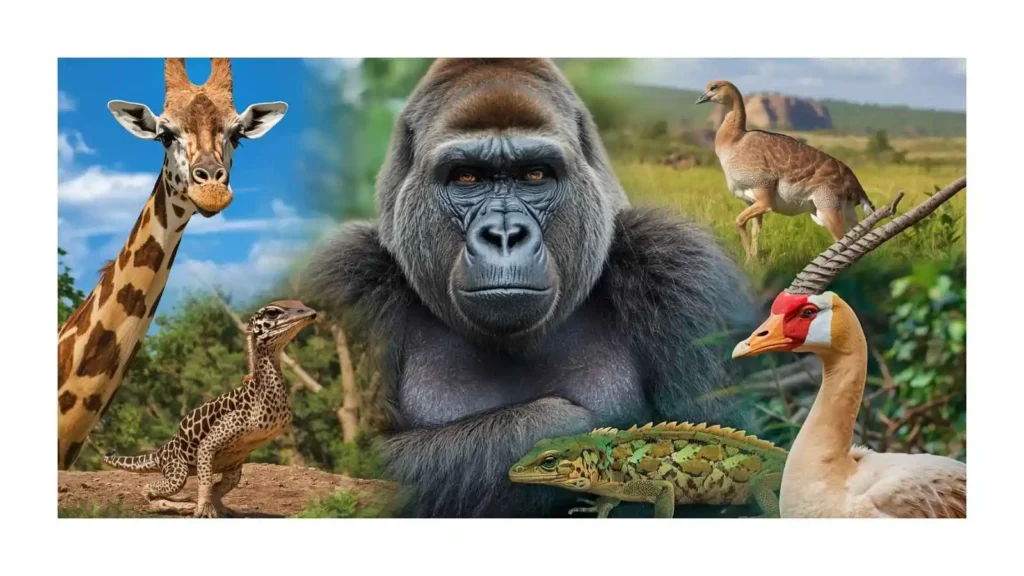
Graceful gazelles sprint across African grasslands while giant gorillas roam dense tropical forests. The fascinating world of animals starting with G includes mammals, reptiles, birds, amphibians, and marine species from nearly every continent. Nature enthusiasts often search for these creatures to learn about wildlife diversity, habitats, adaptations, and survival skills. From glowing geckos to gentle giraffes, these remarkable animals display unique behaviors and ecological importance.
Some species help pollinate plants, while others maintain predator-prey balance in ecosystems. This detailed guide explores scientific classification, physical features, habitats, diets, reproduction, conservation challenges, and surprising facts about popular animals beginning with the letter G.
What Are Animals Starting With G?
Animals starting with G are wildlife species whose names begin with the letter “G.” These creatures vary greatly in size, habitat, and behavior.
Examples
- Giraffe
- Gorilla
- Gecko
- Gazelle
- Goose
- Goldfish
- Gopher
- Guinea Pig
- Gharial
- Gray Wolf
Each species plays a valuable ecological role.
|See also: List of spring animals
Scientific Classification
Biologists classify animals based on physical traits, genetics, and evolutionary history.
| Animal | Scientific Class | Category |
|---|---|---|
| Giraffe | Mammalia | Mammal |
| Gecko | Reptilia | Reptile |
| Goose | Aves | Bird |
| Gharial | Reptilia | Reptile |
| Goldfish | Actinopterygii | Fish |
| Gorilla | Mammalia | Mammal |
Scientific classification helps researchers understand animal relationships and biodiversity.
Physical Characteristics
Distinctive features make animals starting with G easy to recognize.
Giraffe
Giraffes possess:
- Extremely long necks
- Spotted coats
- Long legs
- Powerful eyesight
Gorilla
Gorillas display:
- Strong muscular bodies
- Dark fur
- Broad chests
- Intelligent facial expressions
Gecko
Geckos are famous for:
- Sticky toe pads
- Large eyes
- Flexible tails
- Camouflage skin
These adaptations improve survival in different environments.
Habitat and Distribution
Wildlife habitats vary greatly among animals beginning with G.
Grasslands
Gazelles and giraffes thrive in African savannas.
Forests
Gorillas inhabit tropical rainforests in Central Africa.
Wetlands and Rivers
Gharials prefer freshwater rivers in South Asia.
Urban and Domestic Areas
Goldfish and guinea pigs often live alongside humans.
Global Distribution
Animals starting with G appear across:
- Africa
- Asia
- Europe
- North America
- Australia
Climate influences their distribution and survival patterns.
Diet and Hunting Behavior
Feeding habits differ widely among these fascinating species.
Herbivores
Giraffes mainly eat:
- Leaves
- Twigs
- Acacia plants
Gazelles consume grass and shrubs.
Carnivores
Gray wolves hunt:
- Deer
- Rabbits
- Small mammals
Gharials feed mostly on fish.
Omnivores
Geese consume plants, grains, and insects.
Hunting Adaptations
Predatory species rely on:
- Sharp vision
- Speed
- Camouflage
- Group coordination
These skills improve hunting success.
Reproduction and Lifespan
Reproductive strategies help species continue surviving in changing ecosystems.
Mammals
Gorillas give birth to one infant after a long pregnancy period.
Birds
Geese build nests and protect eggs carefully.
Reptiles
Geckos lay small eggs in hidden locations.
Average Lifespans
| Animal | Average Lifespan |
|---|---|
| Giraffe | 20–25 years |
| Gorilla | 35–40 years |
| Gecko | 10–15 years |
| Goose | 10–20 years |
Lifespan depends on habitat quality and predators.
Behavior and Adaptations
Animals starting with G show remarkable survival behaviors.
Giraffe Adaptations
Long necks help giraffes reach leaves unavailable to other herbivores.
Gorilla Intelligence
Gorillas use tools and communicate using vocal sounds and gestures.
Gecko Survival Skills
Geckos can detach tails to escape predators.
Goose Migration
Many goose species travel thousands of miles during seasonal migration.
Key Adaptations
- Camouflage
- Powerful legs
- Sharp senses
- Thick fur
- Social cooperation
These features help animals survive environmental challenges.
|SEE MORE: Animal research for third graders
Popular Animals Starting With G
Giraffe
The giraffe is the tallest land animal on Earth.
Interesting Traits
- Tongues can reach 18 inches
- Hearts weigh over 20 pounds
- Excellent long-distance vision
Habitat
African savannas and grasslands.
Gorilla
Gorillas are intelligent primates closely related to humans.
Diet
Mostly leaves, stems, and fruits.
Social Structure
They live in family groups led by a silverback male.
Gecko
Geckos are small reptiles famous for climbing walls.
Unique Ability
Special toe pads create strong grip on surfaces.
Habitat
Warm forests, deserts, and tropical regions.
Gazelle
Gazelles are graceful antelope species.
Defense Mechanism
They run extremely fast to escape predators.
Diet
Grass and leaves.
Gharial
The gharial is a rare crocodilian with a thin snout.
Habitat
Freshwater rivers in India and Nepal.
Conservation Status
Critically endangered.
Threats and Conservation Status
Unfortunately, many animals starting with G face environmental dangers.
Main Threats
- Habitat destruction
- Illegal hunting
- Pollution
- Climate change
- Human expansion
Endangered Species
Gorillas and gharials face serious population decline.
Conservation Efforts
Wildlife organizations protect:
- Rainforests
- River systems
- National parks
- Breeding habitats
Human Support Matters
People can help by:
- Supporting wildlife charities
- Reducing pollution
- Protecting forests
- Avoiding illegal wildlife products
Conservation protects biodiversity for future generations.
Interesting Facts About Animals Starting With G
- Giraffes sleep less than two hours daily.
- Gorillas share about 98% of human DNA.
- Geckos can walk upside down.
- Goldfish remember information for months.
- Gray wolves communicate through howls.
- Geese often mate for life.
Nature contains extraordinary biological adaptations.
Benefits of Wildlife Biodiversity
Animals contribute essential ecological benefits.
Seed Distribution
Many birds and mammals spread plant seeds.
Pest Control
Predators maintain ecosystem balance.
Pollination
Certain insects assist flowering plants.
Educational Importance
Wildlife teaches children about biodiversity and conservation.
Healthy ecosystems rely on species diversity.
Safety Tips for Wildlife Observation
Observe from Distance
Avoid disturbing natural animal behavior.
Never Feed Wild Animals
Human food may cause illness.
Respect Protected Areas
Follow park and reserve regulations.
Stay Quiet
Noise can stress wildlife populations.
Responsible tourism supports conservation success.
Summary
The incredible world of animals starting with G includes giraffes, gorillas, geckos, gazelles, geese, and many more fascinating species. These animals occupy forests, rivers, deserts, grasslands, and wetlands worldwide.
Each species contributes to ecosystem health through pollination, seed spreading, predator control, and biodiversity support. Learning about wildlife helps people appreciate nature while encouraging conservation efforts that protect endangered habitats and species for future generations.