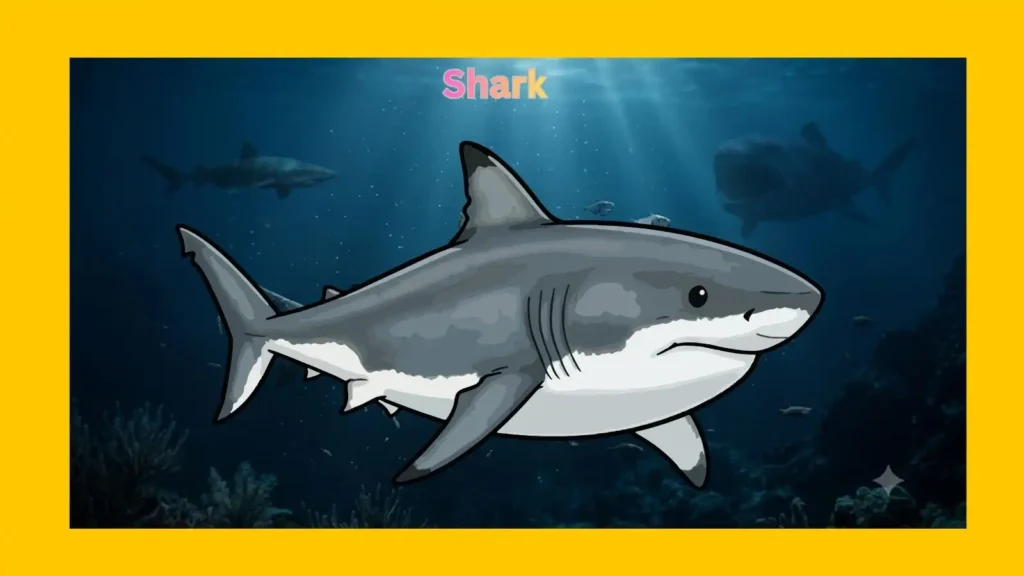
Sharks have ruled the oceans for hundreds of millions of years, yet some species remain almost invisible to humans. While famous sharks such as great whites and hammerheads are widely known, several rare shark species live in remote waters where few people ever see them. This makes the search for the most rarest shark especially fascinating for wildlife lovers and ocean researchers.
The phrase “most rarest shark” is commonly searched online, although “rarest shark” is the grammatically correct form. Finding the rarest shark is not simple because scientists have limited information about many deep-sea species. Some sharks have only been recorded a handful of times, while others occupy tiny habitats or live at extreme depths. Therefore, rarity can depend on population size, geographic range, and how often humans encounter the animal.
Read: Wilderness Wildlife Center Bulger PA
Read: Wildlife on the Oregon Trail
Read: Wildlife Photography Internship
Read: Wildlife Rehab Rochester NY
Read: Dreaming Wild Animals
Most Rarest Shark – Quick Answer
The pondicherry shark is often considered one of the rarest shark species in the world. Scientists have recorded very few confirmed specimens, and the species has disappeared from much of its historical range.
Another extremely rare species is the Ganges shark, which has a very restricted distribution and faces serious threats. The speartooth shark is also exceptionally uncommon and has a small known population.
However, identifying one single “most rarest shark” can be difficult. Deep-sea sharks may be equally mysterious because researchers rarely encounter them. As a result, scientists continue to study several candidates for the title of the world’s rarest shark.
What Is the Rarest Shark in the World?
The pondicherry shark (Carcharhinus hemiodon) is one of the strongest candidates when discussing the rarest shark species.
This small requiem shark historically lived in coastal waters around parts of the Indian Ocean and western Pacific region. Records have been extremely limited, and researchers have struggled to confirm living populations in many areas where the shark was once found.
The pondicherry shark has a slender body and a relatively pointed snout. Like other requiem sharks, it has adaptations suited to active swimming in coastal marine environments.
Unfortunately, its rarity makes conservation difficult. Scientists cannot easily estimate its population size when sightings are so uncommon. Furthermore, fishing pressure and habitat changes may have contributed to its decline.
1. Pondicherry Shark
The pondicherry shark is a particularly intriguing species for marine biologists.
Historical records indicate that it once occupied coastal waters across a broader region. Today, however, confirmed sightings are extremely scarce.
One major problem is that researchers have very little information about its current population. When a species becomes difficult to find, scientists must determine whether it is genuinely declining or simply living in areas that are difficult to survey.
The shark’s restricted habitat and potential exposure to fishing pressure make its future uncertain. Consequently, protecting coastal ecosystems remains important for any surviving populations.
2. Ganges Shark
The Ganges shark (Glyphis gangeticus) is another extraordinary example of shark rarity.
As its name suggests, this species has historically been associated with the Ganges River system and nearby coastal waters. It belongs to the river shark group, which contains some of the least understood sharks on Earth.
The Ganges shark has a stocky body, a broad snout, and adaptations that allow it to tolerate low-salinity environments.
Its habitat is under intense human pressure. River pollution, fishing activity, habitat modification, and changes in water conditions can all create problems for wildlife.
Moreover, river sharks are difficult to study. Murky water and busy waterways make traditional surveys challenging. Therefore, scientists must often rely on limited records to understand these animals.
3. Speartooth Shark
The speartooth shark (Glyphis glyphis) is another extremely rare shark.
This species lives in tropical river and coastal environments, particularly around northern Australia and parts of New Guinea. It prefers areas where freshwater and seawater interact.
The speartooth shark has a distinctive pointed snout and strong body adapted to its unusual habitat.
Juvenile sharks may spend important parts of their lives in river systems. However, these environments face increasing pressure from human development, fishing, and changes to natural waterways.
Because the species has a small known population and limited distribution, conservationists consider it highly vulnerable.
4. Northern River Shark
The northern river shark (Glyphis garricki) is another rare member of the river shark group.
It occurs in northern Australian waters and can enter estuarine and freshwater environments. Its limited range makes local environmental changes particularly important.
Unlike some famous sharks that travel across enormous ocean areas, river sharks often depend on specific habitats. If those habitats deteriorate, the animals may have fewer places to feed, reproduce, and raise young.
That restricted lifestyle helps explain why river sharks are among the most mysterious sharks in the world.
5. Daggernose Shark
The daggernose shark (Isogomphodon oxyrhynchus) is also notable for its extreme rarity.
This species historically lived along parts of the Atlantic coast of South America. It has a long, pointed snout that gives the shark its distinctive name.
The daggernose shark has experienced major population declines. Fishing pressure is one important concern because sharks can become accidental catches in fishing gear.
Its decline demonstrates an important conservation lesson: even species living in productive coastal environments can disappear when human pressure becomes too intense.
6.Pocket Shark
The pocket shark is among the most unusual rare sharks known to science. It is extremely small compared with many other shark species and has distinctive light-producing organs. Scientists have documented very few specimens, making this animal particularly mysterious. Its deep-water lifestyle also makes studying its population and behavior difficult.
7.Megamouth Shark
The megamouth shark is one of the ocean’s strangest and rarest filter-feeding sharks. Scientists first discovered it in 1976, and confirmed sightings remain relatively uncommon. Its enormous mouth helps it collect tiny organisms from seawater. Unlike predatory sharks, this gentle giant feeds mainly on plankton and other small marine organisms.
Why Are Some Sharks So Rare?
Several factors can make a shark species extremely rare.
Small Population Size
Some species naturally have small populations. When only a limited number of animals exist, even moderate threats can cause serious problems.
Restricted Habitat
Certain sharks depend on rivers, estuaries, reefs, or deep-sea habitats. A narrow habitat means fewer places are available for survival.
Fishing Pressure
Sharks often grow slowly and produce relatively few young. Consequently, populations may recover slowly after heavy fishing.
Habitat Destruction
Coastal development, pollution, dams, and changes to river systems can destroy important shark habitats.
Limited Research
Some rare sharks live in deep or remote environments. Scientists may simply lack enough information to determine how many animals remain.
Where Do Rare Sharks Live?
Rare sharks can be found in surprisingly different environments.
Some inhabit deep ocean waters, where sunlight barely reaches the seafloor. Others live near coral reefs, continental shelves, estuaries, and tropical rivers.
River sharks are particularly unusual because they can tolerate environments where freshwater and seawater mix. Deep-sea sharks, meanwhile, face completely different conditions involving darkness, intense pressure, and low temperatures.
Therefore, there is no single habitat that defines the world’s rarest sharks.
How Do Scientists Find Rare Sharks?
Finding a rare shark requires patience and advanced research methods.
Scientists may use fishing surveys, underwater cameras, environmental DNA, satellite technology, and genetic analysis. Underwater cameras can be especially useful because they allow researchers to observe animals without capturing them.
Environmental DNA, often called eDNA, provides another exciting research method. Animals release tiny traces of genetic material into their surroundings. Scientists can sometimes collect water samples and analyze them for evidence of particular species.
These technologies could reveal populations that researchers previously considered extremely difficult to locate.
Why Do Rare Sharks Matter?
Rare sharks play important roles in marine ecosystems.
Most sharks are predators, so they can influence the populations and behavior of other marine animals. Their presence helps maintain ecological balance.
Furthermore, sharks can tell scientists a great deal about ocean health. A declining shark population may indicate problems with fishing pressure, pollution, habitat degradation, or changes in food availability.
Protecting rare sharks therefore means protecting more than one species. It can also help preserve the wider ecosystems they depend on.
Threats Facing the Rarest Sharks
The world’s rarest sharks face several serious threats.
Overfishing remains one of the biggest concerns. Sharks can become accidental victims of fishing operations even when they are not the target species.
Habitat destruction creates another challenge. River modification, coastal construction, pollution, and other human activities can reduce suitable habitat.
Climate change may also affect marine ecosystems. Changing ocean temperatures and shifting prey populations could force some sharks into unfamiliar environments.
Finally, limited scientific knowledge creates its own problem. Conservation becomes much harder when researchers do not know where a species lives or how many individuals remain.
How Can We Protect Rare Sharks?
Protecting rare sharks requires cooperation between scientists, governments, fishing communities, and conservation groups.
One important step is establishing protected areas around critical habitats. Better fishing regulations can also reduce accidental shark catches.
Researchers need funding to study poorly understood species. Regular surveys can reveal population changes before they become irreversible.
Consumers can contribute as well by supporting sustainable seafood practices and learning about shark conservation.
Most importantly, people need to understand that sharks are not simply dangerous predators. They are important members of marine ecosystems.
FAQs About the Most Rarest Shark
What is the most rarest shark in the world?
The pondicherry shark is often described as one of the world’s rarest sharks. However, several other species, including river sharks, are also exceptionally rare and poorly understood.
Is the pondicherry shark extinct?
Scientists have faced great difficulty confirming current populations of the pondicherry shark. Its extreme rarity makes its conservation status particularly concerning.
What is the rarest shark ever discovered?
There is no universally accepted single answer. Some newly described deep-sea sharks may be known from very few specimens, while other species have extremely small known populations.
Are rare sharks dangerous to humans?
Most rare shark species pose little or no significant threat to people. Many are small, elusive, or live in remote habitats that humans rarely enter.
Why are river sharks so rare?
River sharks often have highly restricted habitats. Fishing, pollution, habitat modification, and changes to river systems can place intense pressure on their populations.
How can people help protect rare sharks?
People can support marine conservation, choose sustainable seafood, reduce pollution, and learn about responsible fishing practices. Supporting credible wildlife organizations can also help conservation programs.
Final Thoughts
The search for the most rarest shark reveals a hidden side of marine wildlife. While the pondicherry shark stands out as one of the strongest candidates for the title, several other species are equally fascinating because scientists know so little about them.
Rare sharks are more than unusual creatures. They form part of complex marine ecosystems and can provide valuable clues about ocean health. Unfortunately, fishing pressure, habitat destruction, pollution, and climate-related changes continue to threaten vulnerable populations.
Therefore, continued research and responsible conservation are essential. Every new sighting can provide scientists with valuable information. In the vast ocean, even one rare shark can tell an important story about the health and future of our planet’s marine ecosystems.