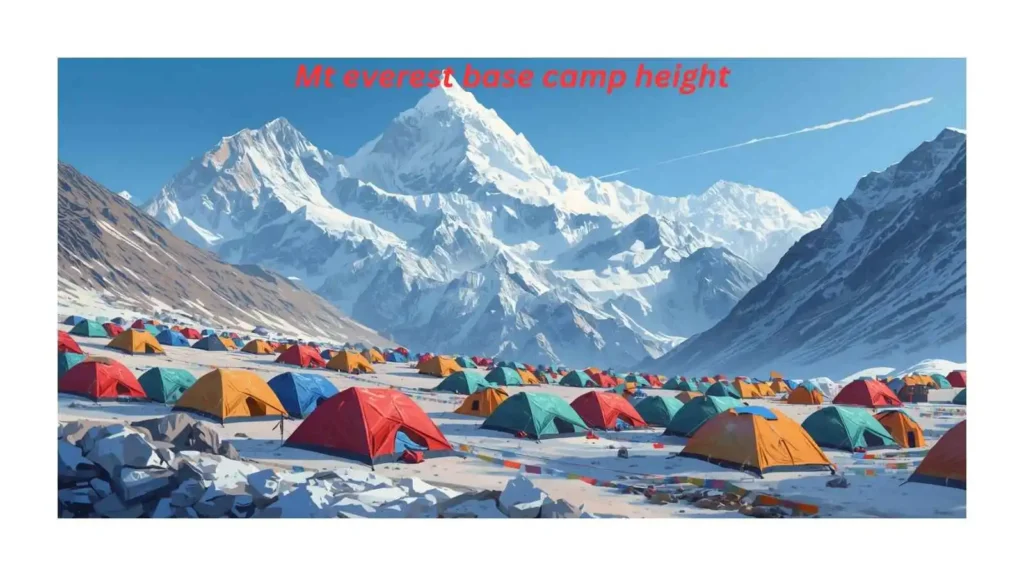
The Mt Everest Base Camp height attracts thousands of trekkers seeking adventure in the heart of the Himalayas. Standing at an impressive elevation, this iconic destination offers breathtaking scenery and unforgettable experiences.
Understanding the trek involves learning about Everest Base Camp trek, high-altitude hiking, Himalayan adventure, mountain trekking, and altitude acclimatization. These factors help travelers prepare effectively, stay safe, and enjoy the journey. Knowing the elevation and challenges ahead can make the Everest Base Camp experience more rewarding and memorable.
|See also: Useful for traffic spikes and cultural authority
What Is the Mt Everest Base Camp Height?
The Mt Everest Base Camp height on the Nepal side is approximately 5,364 meters (17,598 feet) above sea level.
This altitude places trekkers in an extreme mountain environment where oxygen levels are significantly lower than at sea level.
Elevation Breakdown
| Location | Elevation |
|---|---|
| Lukla | 2,860 m |
| Namche Bazaar | 3,440 m |
| Tengboche | 3,867 m |
| Dingboche | 4,410 m |
| Lobuche | 4,940 m |
| Everest Base Camp | 5,364 m |
As trekkers gain elevation, proper acclimatization becomes increasingly important.
Location and Geographic Setting
Nestled within the Himalayan mountain range, Everest Base Camp lies inside the famous Sagarmatha National Park.
Geographic Features
The region contains:
- Massive glaciers
- Snow-covered peaks
- Deep valleys
- Rocky moraines
- Alpine meadows
Moreover, the camp sits near the impressive Khumbu Glacier, one of the largest glaciers in Nepal.
Trekking Route to Everest Base Camp
Beginning with a flight to Lukla, the journey typically lasts 12 to 14 days.
Popular Route
Lukla
↓
Phakding
↓
Namche Bazaar
↓
Tengboche
↓
Dingboche
↓
Lobuche
↓
Gorak Shep
↓
Everest Base Camp
Throughout the trek, hikers experience dramatic changes in altitude, vegetation, and climate.
Wildlife Around Everest Base Camp
Surprisingly, the Everest region supports a variety of remarkable Himalayan wildlife.
Mammals Found Near Everest Base Camp
Wildlife enthusiasts may encounter:
- Himalayan tahr
- Musk deer
- Himalayan marmot
- Snow leopard (rare)
- Red fox
- Himalayan black bear (lower elevations)
Bird Species
The area also hosts:
- Himalayan monal
- Snow pigeon
- Chough
- Blood pheasant
- Golden eagle
Although wildlife sightings are not guaranteed, patient trekkers often observe animals in quieter sections of the trail.
Climate and Weather Conditions
Because of the extreme altitude, weather conditions can change rapidly.
Seasonal Temperatures
| Season | Day Temperature | Night Temperature |
|---|---|---|
| Spring | 5°C to 15°C | -10°C |
| Summer | 10°C to 18°C | -5°C |
| Autumn | 5°C to 15°C | -10°C |
| Winter | -5°C to 5°C | -20°C |
Therefore, proper clothing remains essential throughout the trek.
Benefits of Visiting Everest Base Camp
Beyond reaching a famous destination, the trek offers numerous rewards.
|See learn more: Teej indian festival
Physical Benefits
- Improved endurance
- Better cardiovascular fitness
- Increased stamina
Mental Benefits
- Stress reduction
- Enhanced confidence
- Personal achievement
Educational Benefits
Visitors learn about:
- Himalayan ecosystems
- Sherpa culture
- Mountain conservation
- High-altitude environments
Furthermore, the trek provides extraordinary photography opportunities.
Acclimatization and Altitude Safety
Since the Mt Everest Base Camp height exceeds 5,000 meters, acclimatization is critical.
Why Acclimatization Matters
At Everest Base Camp:
- Oxygen levels decrease significantly.
- Physical activity becomes more demanding.
- Altitude sickness risk increases.
Symptoms of Altitude Sickness
Watch for:
- Headache
- Nausea
- Dizziness
- Fatigue
- Shortness of breath
Safety Tips
To minimize risks:
- Walk slowly.
- Stay hydrated.
- Avoid alcohol.
- Follow acclimatization schedules.
- Listen to your guide.
Most importantly, never ignore severe symptoms.
Potential Side Effects of High Altitude
While many trekkers complete the journey safely, some experience temporary side effects.
Common Effects
- Mild headaches
- Reduced appetite
- Difficulty sleeping
- Increased fatigue
Fortunately, these symptoms often improve with proper acclimatization.
Practical Trekking Tips
Preparing properly significantly improves the experience.
Essential Gear
Bring:
- Insulated jacket
- Waterproof clothing
- Trekking poles
- Warm gloves
- Sunglasses
- High-SPF sunscreen
Training Recommendations
Before trekking:
- Practice long walks
- Build leg strength
- Improve cardiovascular fitness
- Hike on varied terrain
Good preparation increases comfort and safety.
Environmental Challenges and Conservation
Growing tourism places pressure on the fragile Himalayan ecosystem.
Major Environmental Concerns
- Waste accumulation
- Trail erosion
- Climate change
- Glacier retreat
Conservation Efforts
Organizations work to:
- Reduce litter
- Protect wildlife
- Educate visitors
- Promote sustainable tourism
Responsible trekking helps preserve this extraordinary environment.
Interesting Facts About Mt Everest Base Camp Height
Several fascinating facts make Everest Base Camp unique.
- Everest Base Camp sits at 5,364 meters above sea level.
- Oxygen levels are nearly 50% lower than sea level.
- Thousands of climbers use the camp during Everest expeditions.
- The camp location shifts slightly each year due to glacier movement.
- Spring is the busiest trekking season.
- Sagarmatha means “Forehead of the Sky.”
- The region hosts rare Himalayan wildlife species.
People also ask
How hard is it to climb to Base Camp in Everest?
The Everest Base Camp trek is moderately difficult. It requires good fitness, but no technical climbing skills are needed.
Is Camp 4 in the Death Zone?
Yes. Camp 4 is located at about 7,900–8,000 meters and lies within the “Death Zone,” where oxygen levels are extremely low.
Who is the youngest person to summit Everest?
Jordan Romero became the youngest person to summit Mount Everest at age 13 in 2010.
Why does it cost $40,000 to climb Mount Everest?
The high cost covers permits, guides, Sherpas, oxygen supplies, equipment, transportation, food, insurance, and expedition logistics.
Summary
The Mt Everest Base Camp height makes this trek both challenging and rewarding for outdoor enthusiasts. Proper preparation and awareness of altitude sickness, trekking safety, mountain adventure, Himalayan landscapes, and physical endurance are essential for success.
With careful planning and responsible travel practices, trekkers can enjoy one of the world’s most remarkable high-altitude experiences.