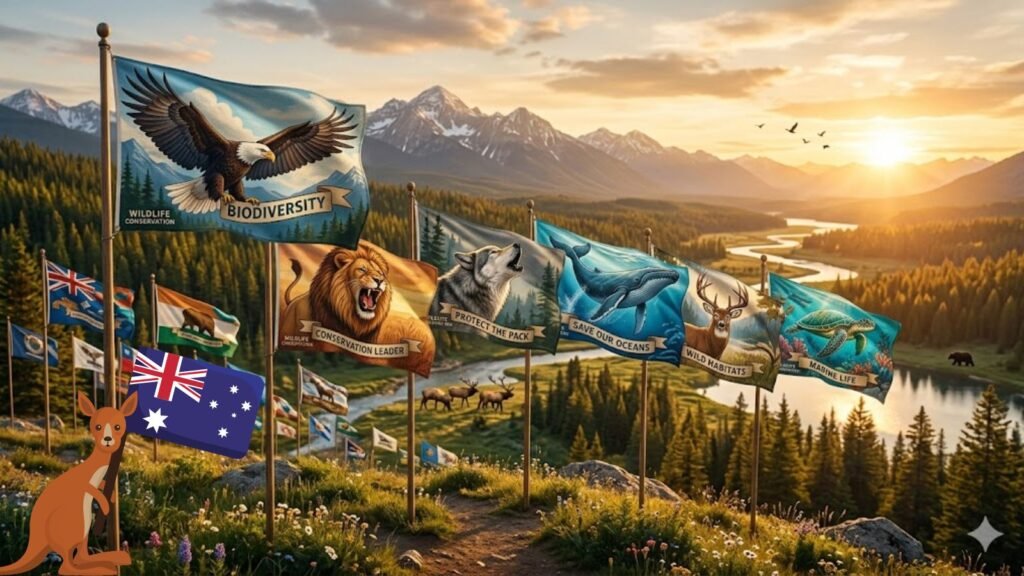
Wildlife flags are more than colorful pieces of fabric waving in the wind. They represent conservation, biodiversity, environmental awareness, and the beauty of the natural world. Across different countries and wildlife organizations, these flags showcase animals, forests, oceans, and endangered species to spread awareness about protecting ecosystems. Many nature lovers, conservation groups, and wildlife parks use wildlife flags as educational and symbolic tools.
In recent years, wildlife-themed banners and animal conservation flags have become increasingly popular in wildlife reserves, eco-tourism sites, schools, and environmental campaigns. Their designs often feature majestic creatures like wolves, eagles, lions, elephants, whales, and endangered birds. These artistic symbols encourage people to appreciate wildlife and support preservation efforts.
This article explores the meaning of wildlife flags, their history, types, symbolism, and their growing role in modern conservation movements worldwide.
RELATED: Wildlife in Daintree Rainforest
What Are Wildlife Flags?
Wildlife flags are decorative or symbolic flags that display wildlife imagery, environmental themes, or conservation messages. They are commonly used by:
- Wildlife rehabilitation centers
- National parks
- Environmental organizations
- Nature reserves
- Conservation campaigns
- Eco-tourism destinations
- Wildlife photographers and enthusiasts
These flags often include illustrations of animals, natural habitats, mountains, rivers, forests, or oceans. Some feature endangered species to highlight urgent conservation concerns.
Unlike national flags that symbolize countries, wildlife flags primarily represent nature protection and environmental awareness.
Common Types of Wildlife Flags
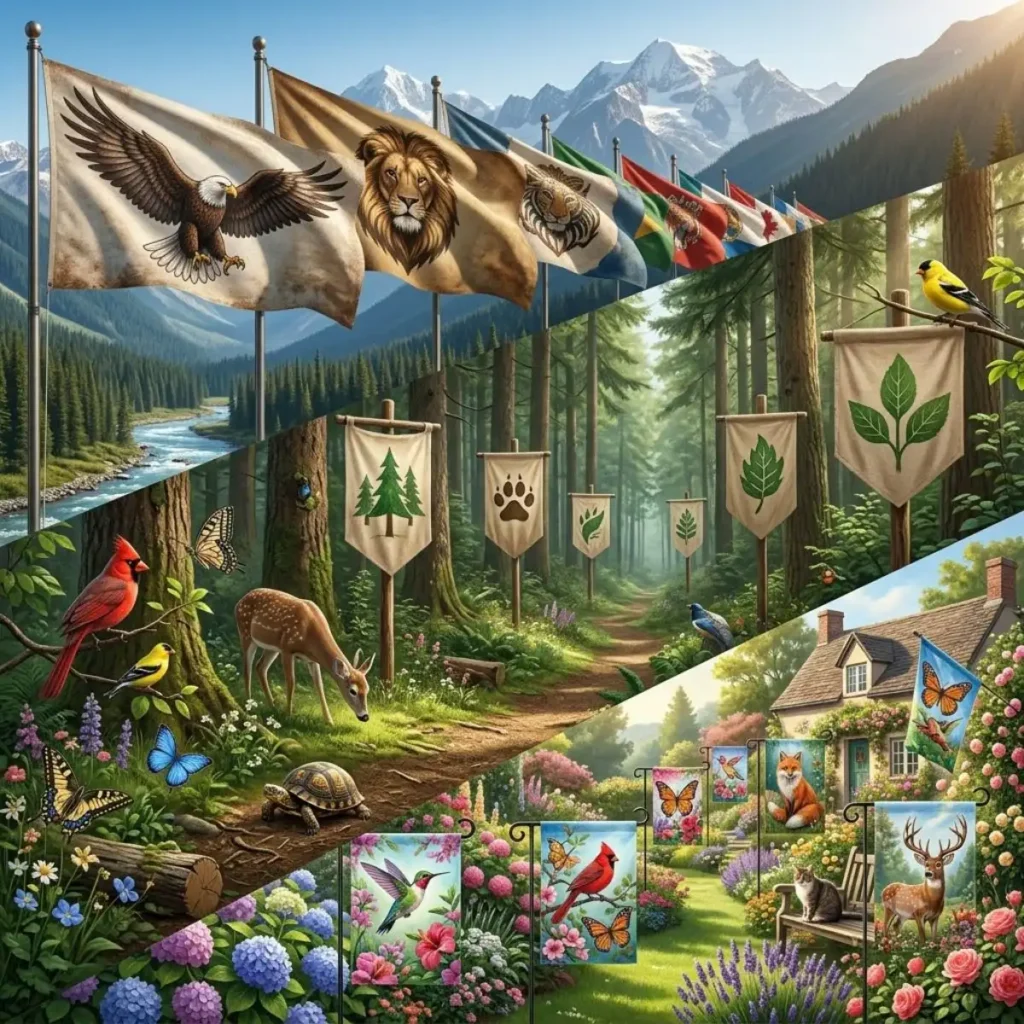
National Flags with Animals
Many countries feature animals on their national flags or official emblems to represent strength, freedom, courage, or cultural heritage. These animal symbols often reflect native wildlife or historical traditions that are important to the nation’s identity. Birds, lions, eagles, and other iconic creatures are commonly used because they symbolize power and resilience. National flags with animal imagery remind citizens of their natural heritage while showcasing the unique biodiversity and values associated with their country.
Conservation & Eco Banners
Conservation and eco banners promote wildlife protection, environmental awareness, and sustainable living. They are commonly displayed during educational events, nature festivals, fundraising campaigns, and conservation programs. These banners often feature endangered animals, forests, oceans, or ecosystems to inspire people to care for nature. By spreading positive environmental messages, they encourage communities to support habitat preservation, wildlife rescue, and responsible actions that help protect biodiversity for future generations.
Decorative House & Garden Flags
Decorative wildlife house and garden flags bring the beauty of nature into outdoor living spaces. They often display colorful birds, butterflies, deer, foxes, wolves, or seasonal wildlife scenes that enhance gardens, patios, and front yards. Many homeowners choose these flags to express their appreciation for nature while adding charm and personality to their property. Available in various designs and seasonal themes, decorative wildlife flags create a warm, welcoming atmosphere and celebrate the natural world throughout the year.
The History of Wildlife Flags
The concept of wildlife flags emerged alongside the global conservation movement during the 20th century. As environmental awareness expanded, organizations began using visual symbols to promote wildlife protection.
Early wildlife banners appeared in:
- National parks
- Zoological institutions
- Birdwatching societies
- Nature conservation campaigns
Over time, wildlife flags evolved into powerful awareness tools. Environmental groups started designing custom flags featuring endangered animals and ecological messages.
Today, wildlife flags are commonly seen during:
- Earth Day events
- Wildlife conservation campaigns
- Environmental protests
- Nature exhibitions
- Outdoor festivals
- Eco-friendly educational programs
Their visibility helps strengthen public support for wildlife preservation.
Top 10 Animals on National Flags
Some of the most popular animals displayed on national flags include lions, eagles, dragons, parrots, snakes, cranes, condors, horses, leopards, and bears. These creatures symbolize bravery, freedom, power, wisdom, and the natural heritage connected to different countries and cultures worldwide.
2nd Most Common Animal on Flags
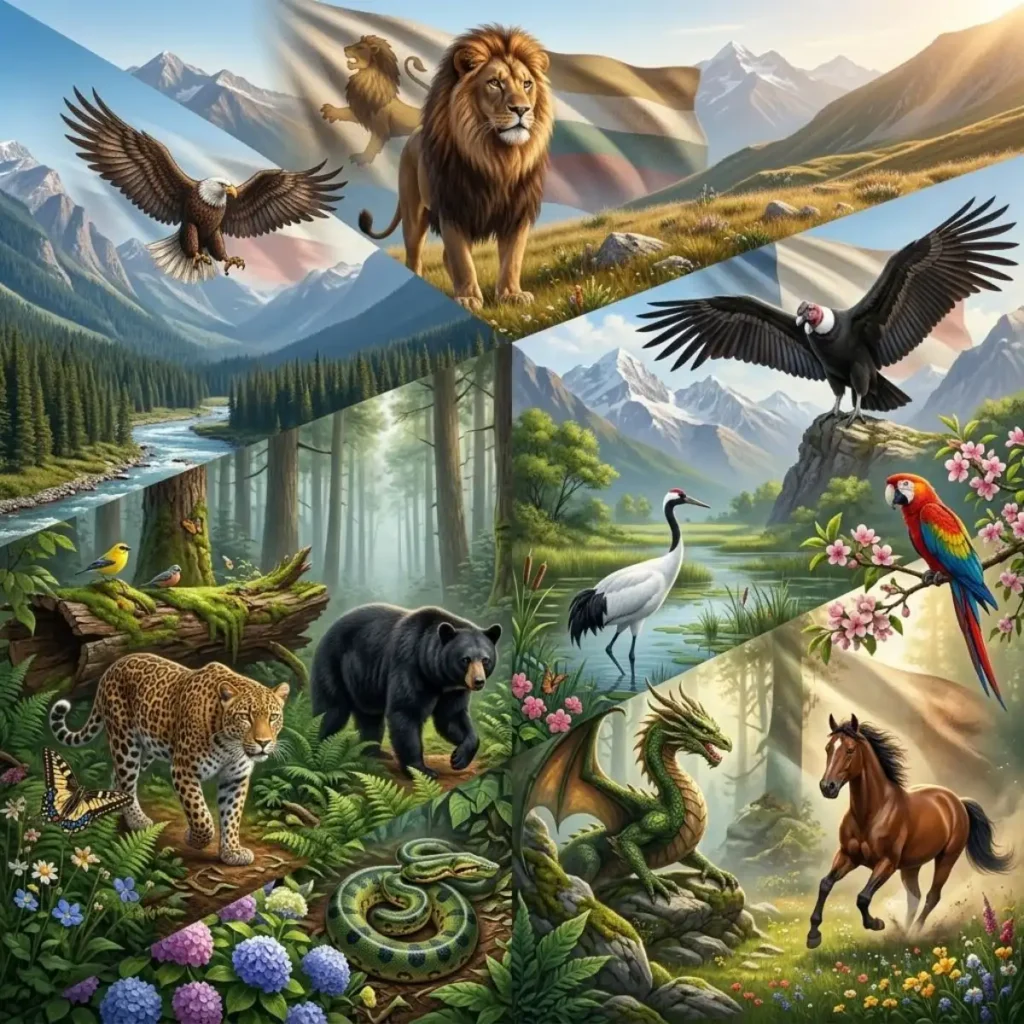
After the eagle, the lion is considered one of the most common animals appearing on national and regional flags. Lions symbolize courage, royalty, dominance, and strength. Many countries and historical kingdoms have used lion imagery in their official banners and emblems.
Flags With Animals Wiki
Flags with animals are widely documented in historical archives and educational resources similar to wiki-style collections. These references explain the origins, meanings, and symbolism behind animal imagery used on national, military, regional, and conservation-related flags throughout different parts of the world.
Flag With an Animal in Africa
Several African nations feature animals on their flags or official emblems to represent wildlife heritage and cultural identity. Common symbols include eagles, lions, leopards, and cranes. These animal designs often reflect national strength, independence, biodiversity, and the continent’s rich natural ecosystems.
Popular Animals Featured on Wildlife Flags
Many wildlife flags showcase iconic animals admired for their beauty, rarity, or ecological significance.
Eagles
Eagles symbolize strength, freedom, and wilderness. Wildlife organizations often use eagle imagery to represent natural ecosystems and protected habitats.
Wolves
Wolf-themed flags represent wilderness conservation and ecological balance. Wolves are considered keystone species in many ecosystems.
Elephants
Elephants symbolize intelligence, memory, and endangered wildlife protection. Conservation campaigns frequently feature African and Asian elephants.
Whales
Whale flags promote ocean conservation and marine biodiversity. These designs often support anti-whaling and ocean cleanup movements.
Tigers
Tiger imagery is commonly used in wildlife conservation campaigns because of their endangered status and majestic appearance.
Birds
Bird-themed wildlife flags are especially popular among birdwatching communities and migratory bird conservation groups.
Types of Wildlife Flags
Wildlife flags come in various styles depending on their purpose and location.
Conservation Flags
These flags are created by environmental organizations to spread awareness about endangered species and habitat destruction.
National Park Flags
Many parks and reserves use official wildlife-themed flag featuring native animals and landscapes.
Educational Wildlife Flags
Schools, museums, and wildlife centers often display educational flag showing animal species and ecosystems.
Decorative Wildlife Garden Flag
Nature lovers frequently place wildlife garden flag outside homes or cabins. These decorative flags usually feature birds, deer, butterflies, or forest animals.
Marine Wildlife Flag
Marine conservation organizations use ocean-themed flags featuring dolphins, whales, turtles, and coral reefs.
Wildlife Flags and Conservation Awareness
Wildlife flag play an important role in environmental education. Their visual appeal helps attract attention and encourages people to learn about conservation issues.
Promoting Endangered Species Protection
Flags displaying endangered animals help increase public awareness about species facing extinction.
Supporting Environmental Campaigns
Many conservation organizations sell wildlife flag to raise funds for habitat protection and animal rescue programs.
Encouraging Eco-Tourism
Wildlife parks and eco-lodges use nature-themed flag to create a welcoming outdoor atmosphere while promoting environmental values.
Inspiring Future Generations
Children often connect emotionally with colorful animal imagery. Wildlife flag can inspire curiosity about nature and environmental responsibility.
Symbolism Behind Wildlife Flags
Wildlife flags often carry deep symbolic meaning connected to nature and ecological balance.
| Symbol | Meaning |
|---|---|
| Eagle | Freedom and wilderness |
| Wolf | Ecosystem balance |
| Whale | Ocean protection |
| Turtle | Longevity and marine conservation |
| Deer | Peace and natural beauty |
| Owl | Wisdom and environmental awareness |
| Bear | Strength and habitat preservation |
These symbols create emotional connections that strengthen conservation messaging.
Why Wildlife Flags Are Popular Today
Interest in wildlife flag has grown significantly because environmental awareness continues to increase worldwide.
Several factors contribute to their popularity:
- Rising interest in sustainable living
- Growth of eco-tourism
- Wildlife photography culture
- Social media environmental campaigns
- Increased concern about climate change
- Outdoor and cabin decor trends
People enjoy displaying wildlife imagery because it reflects appreciation for nature and biodiversity.
How Wildlife Flags Are Made
Modern wildlife flag are created using durable outdoor materials designed to withstand weather conditions.
Common materials include:
- Polyester
- Nylon
- Cotton blends
- Weather-resistant fabrics
Many eco-conscious manufacturers now use sustainable printing methods and recycled materials.
Popular printing styles include:
- Digital wildlife art
- Watercolor animal illustrations
- Realistic photography prints
- Vintage conservation designs
High-quality wildlife flag combine artistic beauty with durability.
Wildlife Flag in National Parks and Reserves
Many parks worldwide use wildlife-themed flag to represent local biodiversity.
Examples include:
- African safari reserves featuring lions and elephants
- Arctic wildlife centers displaying polar bears
- Coastal parks using whale or sea turtle imagery
- Forest reserves featuring wolves, bears, and birds
These flags help strengthen a park’s visual identity while educating visitors about native species.
Collecting Wildlife Flags as a Hobby
Wildlife flag collecting has become a unique hobby among nature enthusiasts and travelers.
Collectors often search for:
- Rare conservation campaign flags
- National park banners
- Vintage wildlife organization flags
- Limited-edition nature artwork flags
Some collectors display them in cabins, wildlife rooms, or outdoor recreation spaces.
Choosing the Best Wildlife Flags
When selecting a wildlife flag, consider the following factors:
Material Quality
Choose weather-resistant fabric for outdoor use.
Design Style
Pick artwork that matches your personal interest, such as birds, marine life, or forest wildlife.
Conservation Message
Many buyers prefer flags connected to wildlife charities or environmental organizations.
Size and Placement
Garden flags are smaller, while large banners work better for parks and outdoor events.
The Future of Wildlife Flags
Wildlife flags are expected to remain important tools for environmental awareness and eco-friendly branding. As conservation challenges continue growing, visual symbols will become even more valuable in promoting action and education.
Future wildlife flags may include:
- Eco-friendly biodegradable materials
- Digital smart flag displays
- Interactive educational QR codes
- Conservation campaign collaborations
- AI-generated wildlife artwork
These innovations could help conservation organizations connect with larger global audiences.
FAQs About Wildlife Flags
Q1.What are wildlife flags used for?
Wildlife flags are used for conservation awareness, decoration, environmental campaigns, eco-tourism, and educational purposes.
Q2.Which animals are most common on wildlife flags?
Popular animals include eagles, wolves, whales, tigers, bears, deer, and sea turtles.
Q3.Are wildlife flag only for parks?
No. People also use them at homes, gardens, cabins, schools, and outdoor events.
Q4.Can wildlifes flags support conservation?
Yes. Many wildlife organizations sell flag to raise money for conservation and rescue projects.
Q5.What materials are best for outdoor wildlife flag?
Polyester and nylon are commonly used because they resist weather damage and fading.
Q6.Are wildlife flag environmentally friendly?
Some manufacturers now produce eco-friendly wildlifes flags using recycled materials and sustainable printing methods.
Conclusion
Wildlifes flags combine art, symbolism, and environmental awareness into one meaningful display. Whether used in national parks, wildlifes centers, gardens, or conservation campaigns, these flags celebrate the beauty of nature while encouraging people to protect it. Their powerful imagery helps spread awareness about endangered species, habitat preservation, and ecological balance.
As global interest in conservation continues rising, wildlife flag will likely become even more influential in promoting environmental education and sustainable living. For wildlife enthusiasts and conservation supporters alike, these flags serve as inspiring reminders of humanity’s responsibility to protect the natural world for future generations.