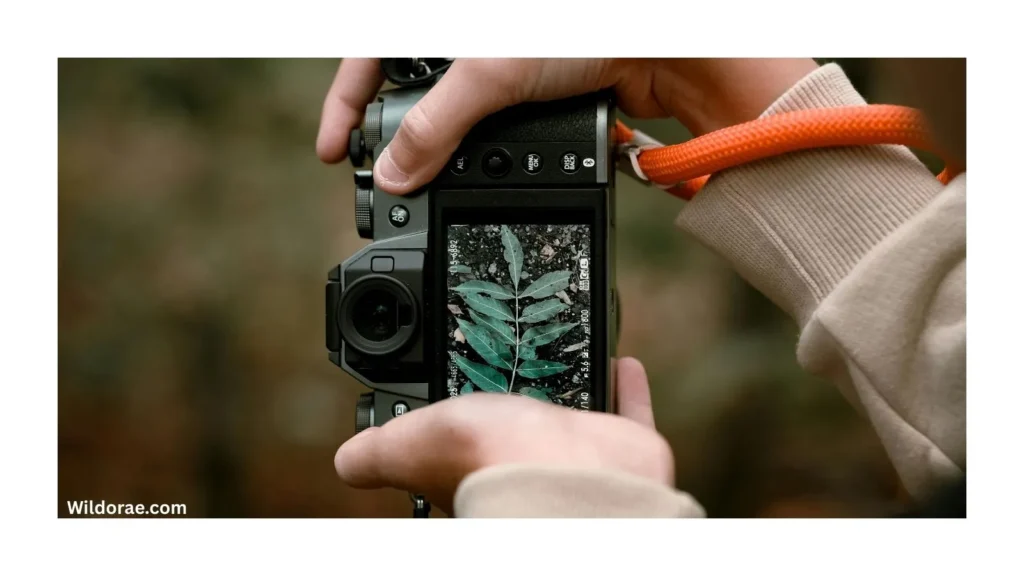
It takes patience, accuracy, and the proper equipment to capture animals in its natural habitat. Because of their unparalleled speed, excellent autofocus systems, and low-light capabilities, Sony cameras have become popular among professional photographers for wildlife photography.
With the correct camera, you can turn ephemeral moments into stunning pictures, whether you’re tracking a tiny hummingbird, a soaring eagle, or a tiger on the prowl.
To make sure they don’t miss any important event, many novices and even seasoned wildlife enthusiasts look for the best Sony camera models. This article highlights professional methods to improve your wildlife photos while examining the features, advantages, and useful advice for choosing the ideal Sony camera for wildlife photography.
|see more: Wildlife park coupons
Sony Camera for Wildlife Photography – Quick Answer
A Sony camera for wildlife photography excels in rapid autofocus, high-resolution sensors, and long telephoto lens compatibility. Examples include:
- Sony Alpha a7R IV – Ideal for high-resolution wildlife landscapes.
- Sony Alpha a9 II – Perfect for fast-moving subjects like birds in flight.
- Sony RX10 IV – A compact option with superb zoom range for safari or backyard wildlife.
The Origin of Sony Cameras for Wildlife Photography
Sony’s expertise in electronics evolved from consumer products to professional imaging. Their Alpha series combines mirrorless technology with full-frame sensors, originally designed to rival DSLR systems. Over the past decade, photographers increasingly adopted Sony cameras for wildlife due to superior ISO performance, rapid burst shooting, and innovative autofocus algorithms that track moving subjects in complex environments.
British vs. American English Naming Conventions in Camera Models
Sony’s naming conventions differ slightly depending on the market. For example, certain lenses and kits may be marketed with “Alpha” in the US, but referred to as “ILCE” in Europe. Here’s a simplified comparison:
| Feature | US Naming | UK/Europe Naming |
|---|---|---|
| Camera Body | Sony Alpha a7R IV | Sony ILCE-7RM4 |
| Lens Kit | 70-200mm f/2.8 GM | 70-200mm f/2.8 GM OSS |
| Flash | HVL-F60RM | HVL-F60RM UK |
Understanding regional model names helps ensure photographers purchase the correct kit for their needs.
Which Sony Camera Should You Use for Wildlife?
- Professional Wildlife Photographers → Sony Alpha a9 II for speed and tracking birds or predators.
- Intermediate Enthusiasts → Sony a7R IV for ultra-high resolution and landscape integration.
- Budget-conscious / Travel → Sony RX10 IV for compact design with excellent zoom and portability.
The choice depends on your shooting style, budget, and target wildlife subjects.
Common Mistakes with Wildlife Photography Cameras
- Ignoring shutter speed requirements for fast-moving animals.
- Choosing lenses with insufficient focal length for distant wildlife.
- Neglecting battery life during fieldwork in remote areas.
- Forgetting memory card speed and capacity for burst shooting.
Correcting these mistakes ensures sharper, better-timed shots.
|See also: Wildlife watercolor painting
Sony Cameras in Everyday Wildlife Photography
Photographers use Sony cameras across multiple wildlife settings:
- Safari photography: Capturing lions, elephants, and giraffes.
- Bird photography: Tracking fast-moving species mid-flight.
- Macro wildlife: Shooting insects, frogs, or reptiles with fine detail.
- Conservation documentation: Recording endangered species for scientific purposes.
Sony Camera – Google Trends & Usage Data
Data from Google Trends highlights increasing interest in Sony cameras for wildlife photography, with spikes during migration seasons and international wildlife tours. The US, UK, Australia, and India show the highest searches, reflecting global adoption.
Scientific Classification of Wildlife Captured
Wildlife photography often focuses on:
- Mammals → Tigers, lions, elephants.
- Birds → Eagles, hummingbirds, kingfishers.
- Reptiles → Snakes, lizards, turtles.
- Insects → Butterflies, dragonflies, bees.
Physical Characteristics Captured
High-resolution Sony cameras allow photographers to highlight:
- Fur patterns and feather textures.
- Eye reflections and body movements.
- Color variations under natural light.
Habitat and Distribution
Wildlife photography requires understanding habitats:
- Savannahs: Lions, zebras, cheetahs.
- Forests: Deer, foxes, owls.
- Wetlands: Herons, frogs, crocodiles.
- Deserts: Lizards, snakes, camels.
Sony cameras with adjustable ISO settings perform well across diverse light conditions.
Diet and Hunting Behavior
Capturing feeding behavior offers insight into wildlife ecology:
- Predators like eagles or lions in action.
- Herbivores grazing with natural alertness.
- Insects and smaller prey captured in macro mode.
Reproduction and Lifespan
Photographers document wildlife breeding and rearing behaviors. Sony cameras with silent shutter minimize disturbance, allowing unobtrusive observation of:
- Nesting birds.
- Mammal parental care.
- Amphibian spawning behavior.
Behavior and Adaptations
Observing adaptations:
- Camouflage effectiveness in forests.
- Nocturnal activity captured with high-ISO sensors.
- Flight patterns and hunting strategies.
Threats and Conservation Status
Wildlife photographers raise awareness of:
- Habitat destruction.
- Poaching and illegal hunting.
- Climate change impact on migratory patterns.
Images from Sony cameras aid NGOs and conservationists globally.
Interesting Facts
- Sony mirrorless cameras allow silent burst shooting, ideal for shy species.
- Eye-tracking autofocus mimics human observation skills.
- Some Sony cameras shoot 20+ frames per second, critical for action shots.
- Compact models like RX10 IV fit travel backpacks for safaris.
FAQs
Q1: Are Sony cameras good for fast-moving wildlife?
A1: Yes, models like Sony a9 II offer rapid autofocus and burst shooting for dynamic action.
Q2: Which Sony lens is ideal for bird photography?
A2: A 100-400mm f/4.5-5.6 GM lens provides reach and sharp clarity.
Q3: Can I shoot in low light wildlife settings?
A3: Yes, Sony full-frame sensors handle high ISO with minimal noise.
Q4: Are Sony mirrorless cameras better than DSLRs for wildlife?
A4: Mirrorless cameras offer lighter weight, faster autofocus, and silent shooting options.
Q5: Do Sony cameras help with conservation projects?
A5: Absolutely, high-resolution images document species for research and awareness campaigns.
Summary
Sony cameras have revolutionized wildlife photography with high-speed autofocus, full-frame sensors, and adaptable lenses. From small insects to majestic predators, these cameras capture nature’s nuances in unmatched clarity.
Selecting the right model depends on speed, resolution, and your field environment. Incorporating proper settings, silent shooting, and long lenses ensures ethical and high-quality photography. Beginners and professionals alike benefit from the robust ecosystem of Sony cameras designed to document and protect wildlife while producing stunning imagery.