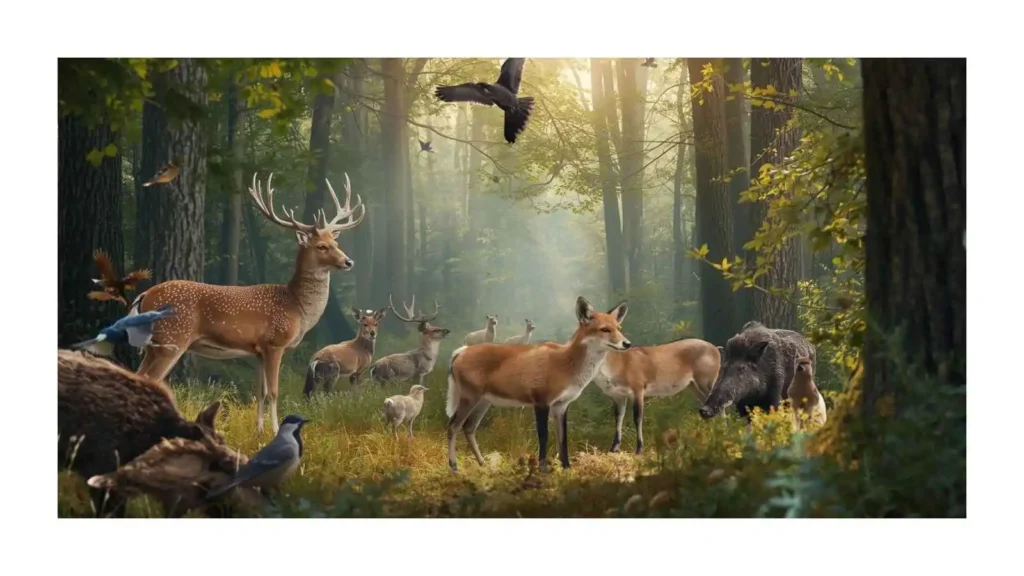
From alpine peaks to coastal wetlands, wild animals in France thrive across remarkably diverse ecosystems. Many travelers think of France for its culture and cuisine, but its wildlife is equally captivating. Forests, mountains, rivers, and grasslands create ideal habitats for a wide range of species, from elusive predators to colorful birds.
Moreover, France’s geographic position in Western Europe allows it to host both northern and Mediterranean species. This makes exploring wild animals in France a unique experience for nature lovers, researchers, and wildlife photographers.
|See also: Cape cod wild animals
In this article, you’ll discover key species, their habitats, behaviors, and conservation status. You’ll also learn practical tips for safe wildlife observation and understand the ecological importance of protecting France’s natural heritage.
Scientific Classification
Understanding the scientific background of wild animals in France helps explain their diversity and ecological roles.
| Category | Example Species | Classification |
|---|---|---|
| Mammals | Red fox, Alpine ibex | Mammalia |
| Birds | Golden eagle, flamingo | Aves |
| Reptiles | European adder | Reptilia |
| Amphibians | Fire salamander | Amphibia |
These classifications show how France supports both terrestrial and aquatic biodiversity.
Physical Characteristics
The wild animals in France display a wide range of physical traits shaped by their environments.
- Mountain animals like ibex have strong hooves for climbing
- Forest mammals such as deer possess camouflage fur
- Birds like flamingos have long legs for wetland feeding
- Predators like wolves feature sharp teeth and keen senses
Interestingly, many species adapt their size and coat thickness depending on climate. For example, animals in colder regions often develop thicker fur for insulation.
|See more: wild animals of peru
Habitat and Distribution
France’s landscapes support a broad spectrum of wild animals in France, each adapted to specific regions.
Major Habitats:
- Alps and Pyrenees: Home to ibex, marmots, and golden eagles
- Forests: Deer, wild boar, and lynx thrive here
- Wetlands (Camargue): Flamingos and amphibians dominate
- Rivers and lakes: Otters and fish species flourish
Because of this diversity, France is considered a biodiversity hotspot in Europe.
Diet and Hunting Behavior
Diet patterns among wild animals in France vary widely depending on species and habitat.
Common Feeding Types:
- Herbivores: Deer and rabbits eat plants and grasses
- Carnivores: Wolves and foxes hunt small animals
- Omnivores: Wild boars consume both plants and meat
Predators often rely on stealth and timing. For instance, foxes hunt at dawn or dusk, using sharp hearing to locate prey beneath soil or snow.
Reproduction and Lifespan
Reproductive strategies among wild animals in France ensure species survival in changing environments.
- Most mammals reproduce once per year
- Birds lay eggs during spring seasons
- Lifespans vary: small animals live 2–5 years, while larger mammals may live over 15 years
Seasonal breeding helps ensure offspring are born when food is abundant.
Behavior and Adaptations
Behavior plays a key role in the survival of wild animals in France.
- Migration: Birds travel long distances seasonally
- Hibernation: Animals like hedgehogs conserve energy in winter
- Camouflage: Helps prey avoid predators
- Social groups: Wolves hunt in packs for efficiency
These adaptations highlight how animals adjust to environmental challenges.
Threats and Conservation Status
Despite their resilience, many wild animals in France face serious threats.
Key Threats:
- Habitat loss due to urban expansion
- Climate change affecting ecosystems
- Illegal hunting and poaching
- Pollution in rivers and forests
Conservation Efforts:
- National parks and protected reserves
- Wildlife monitoring programs
- Breeding and reintroduction projects
France actively works to preserve its biodiversity through strict environmental policies.
Interesting Facts
Here are some fascinating insights about wild animals in France:
- France reintroduced wolves after they disappeared for decades
- The Camargue region hosts Europe’s largest flamingo population
- Wild boars are one of the most widespread mammals in the country
- France has over 500 bird species
These facts show the richness and uniqueness of French wildlife.
Practical Tips for Wildlife Observation
If you want to safely observe wild animals in France, follow these tips:
- Keep a safe distance from animals
- Avoid feeding wildlife
- Visit national parks early in the morning
- Use binoculars for better viewing
- Respect local conservation rules
These practices protect both animals and visitors.
FAQs
1. What are the most common wild animals in France?
Deer, wild boars, foxes, and rabbits are among the most common species.
2. Are there dangerous animals in France?
Most animals are not dangerous, but wild boars and wolves should be observed cautiously.
3. Where can I see wildlife in France?
National parks like the Alps and Camargue are excellent locations.
4. Are wolves found in France?
Yes, wolves have returned and now live mainly in mountainous regions.
5. How can I help protect wildlife in France?
Support conservation efforts, avoid littering, and respect natural habitats.
Summary
Wild animals in France reflect the country’s rich ecosystems and biodiversity. From mountains to wetlands, each habitat supports unique species with fascinating behaviors and adaptations. Understanding their roles helps us appreciate nature and the need for conservation. France’s efforts to protect wildlife ensure future generations can continue to enjoy this natural heritage.
Conservation Awareness Message
Protecting wild animals in France is a shared responsibility. Every small action—reducing waste, respecting habitats, and supporting conservation—helps preserve biodiversity. By valuing wildlife, we contribute to a healthier planet for all living beings.