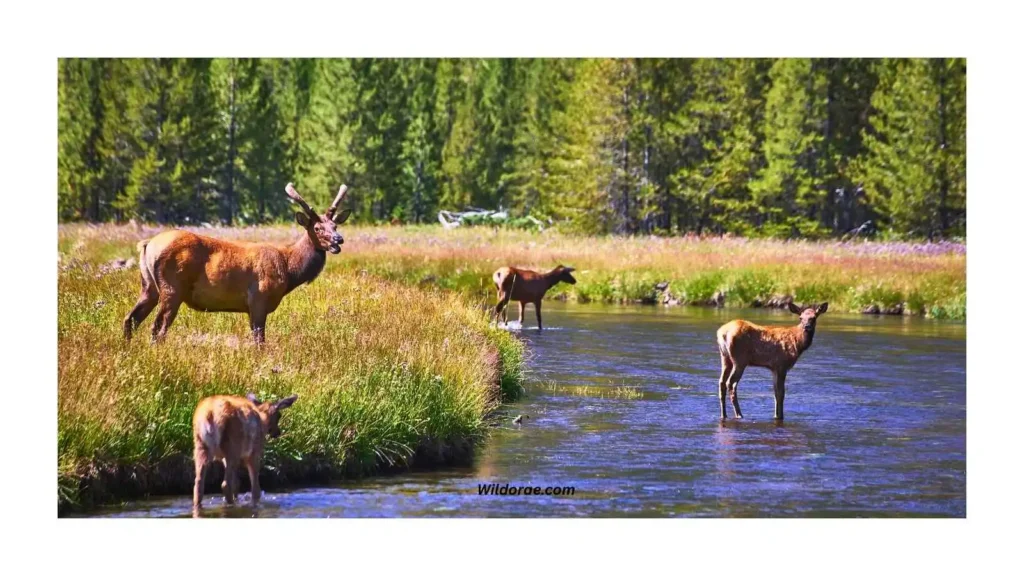
Wildlife grains are an essential part of wildlife nutrition across the United States, providing animals with the energy and nutrients they need to survive and thrive. From backyard bird enthusiasts to conservationists, feeding grains like corn for wildlife, oats for wildlife, and sunflower seeds wildlife helps support healthy populations of birds, deer, and other small mammals.
Related: Black and white wildlife photos
Planting food plots for wildlife ensures a consistent food source, especially during winter months when natural resources are scarce. Proper selection and management of grains not only promote animal health but also enhance wildlife habitat management, encouraging natural behavior while attracting a diverse range of species safely.
What Are Wildlife Grains?
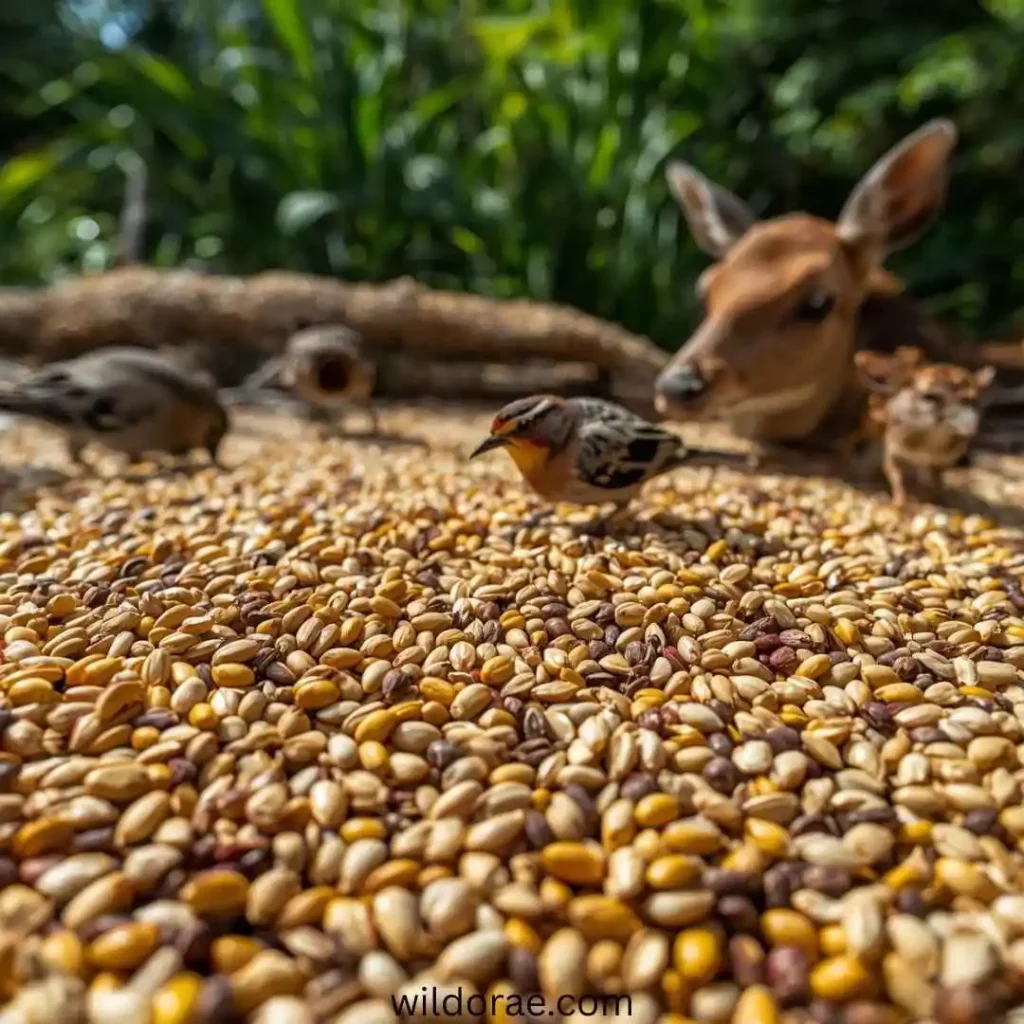
Wildlife grains are seeds, cereals, and edible plant parts consumed by wild animals. Unlike processed human food, these grains are natural, nutrient-rich, and safe for animals in their habitats. Common examples include:
- Millet – Preferred by many bird species
- Corn – Energy-rich and widely consumed by small mammals
- Sorghum – High in protein and fiber
- Sunflower Seeds – Favored by finches and sparrows
- Barley and Oats – Nutrient-dense for larger herbivores
These grains are either found naturally in the wild or provided intentionally in conservation and feeding programs.
Do Deer Eat Oats?
Yes, deer can eat oats, and they often enjoy this nutritious grain as part of a varied diet.
However, oats should complement their natural foods, such as grasses, leaves, shrubs, and other vegetation.
Importance of Wildlife Grains
- Nutrition:
- Wildlife grains supply essential proteins, fats, and carbohydrates for energy.
- Survival:
- During winter or dry seasons, grains become a critical food source for many species.
- Reproduction:
- Adequate nutrition from grains helps animals maintain health, mate, and raise offspring.
- Conservation:
- Feeding wildlife grains responsibly can support endangered species and maintain
Types of Wildlife Grains and Blocks
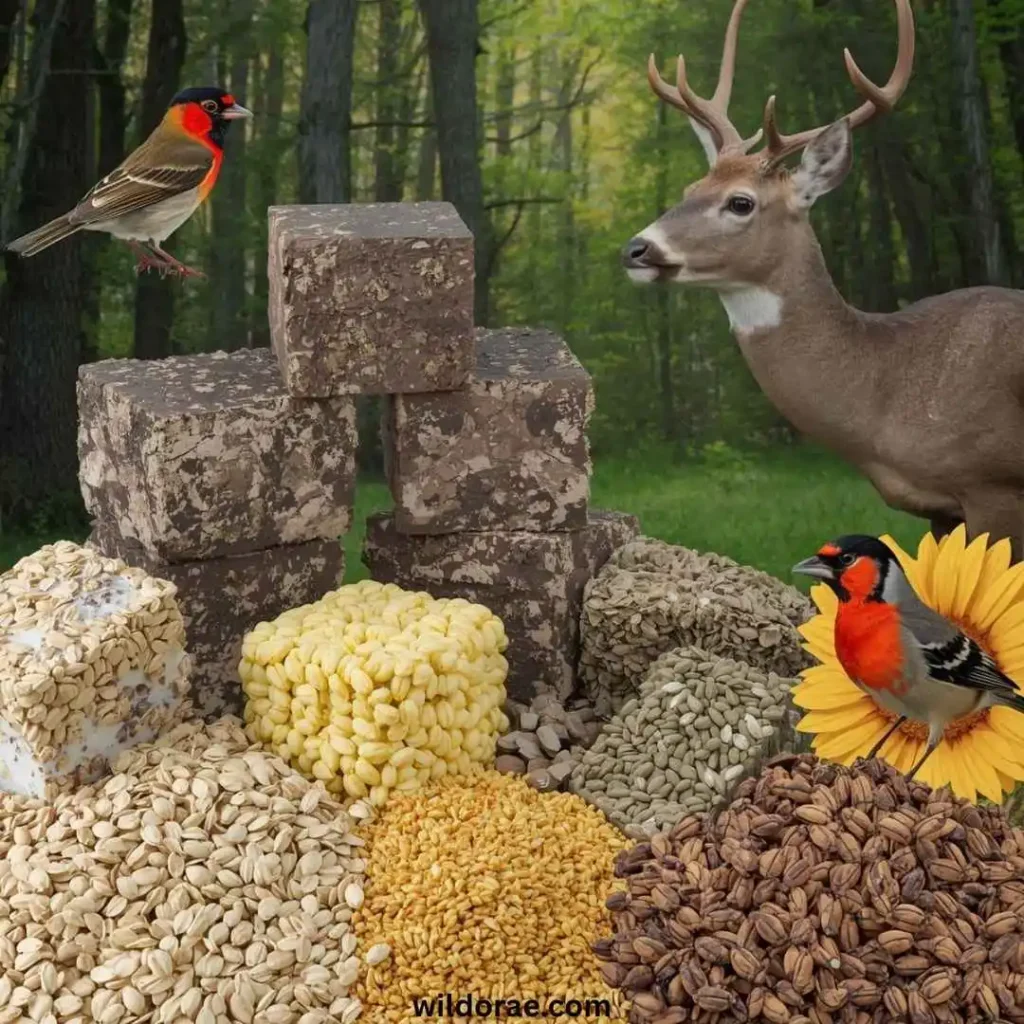
There are many types of grains and blocks for feeding wildlife. Sunflower seeds wildlife, millet for wildlife, and barley for game animals provide essential nutrients for small and large animals alike. Wildlife blocks and crunch blocks are convenient because they last longer and prevent spoilage. Blue Seal Deer Pellets are another favorite for deer, offering protein-rich nutrition that supports growth. All Grain Sweet Feed provides a mix of grains to attract multiple species at once.
Choosing the best grains for attracting deer depends on the species you want to feed. Birds prefer seeds like millet and sunflower, while deer benefit from oats and wheat. Winter grains for wildlife survival are essential because natural food sources become scarce.
See also: Pencil drawing wildlife
Many wildlife enthusiasts also consider native grains vs commercial grains, selecting plants that grow naturally in their region. Feeding animals the right blocks and grains improves overall health and increases activity in the area, making observation and conservation easier.
How and Where to Buy Wildlife Grains
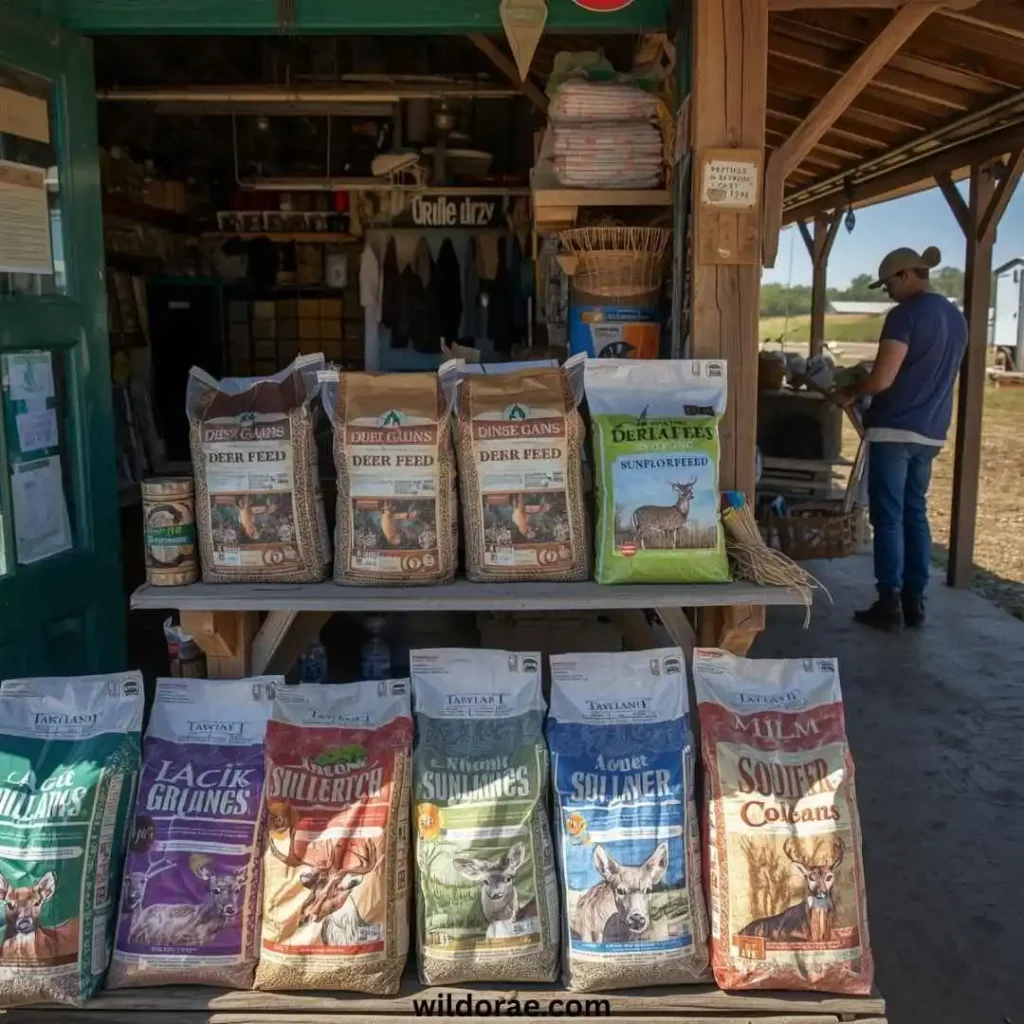
Buying wildlife grains in the USA is simple if you know where to look. Local feed stores, garden centers, and online retailers offer wildlife grains for sale. Popular keywords include wildlife grains near me and where to buy wildlife grains, helping enthusiasts find reliable sources. When buying, check the nutritional content, shelf life, and suitability for the species you plan to feed. Organic grains for wildlife are preferred by many because they avoid chemicals that may harm animals.
Grains such as corn, oats, millet, and sorghum are widely available. Cost-effective wildlife grain options help budget-conscious feeders sustain feeding programs without breaking the bank.
Proper storage is also critical. Using wildlife grain storage methods like sealed bins prevents spoilage and contamination. Many feeders keep small portions accessible while storing the bulk in cool, dry areas. This ensures wildlife always gets fresh feed while maintaining its nutritional value.
Feeding Guidelines for Different Wildlife
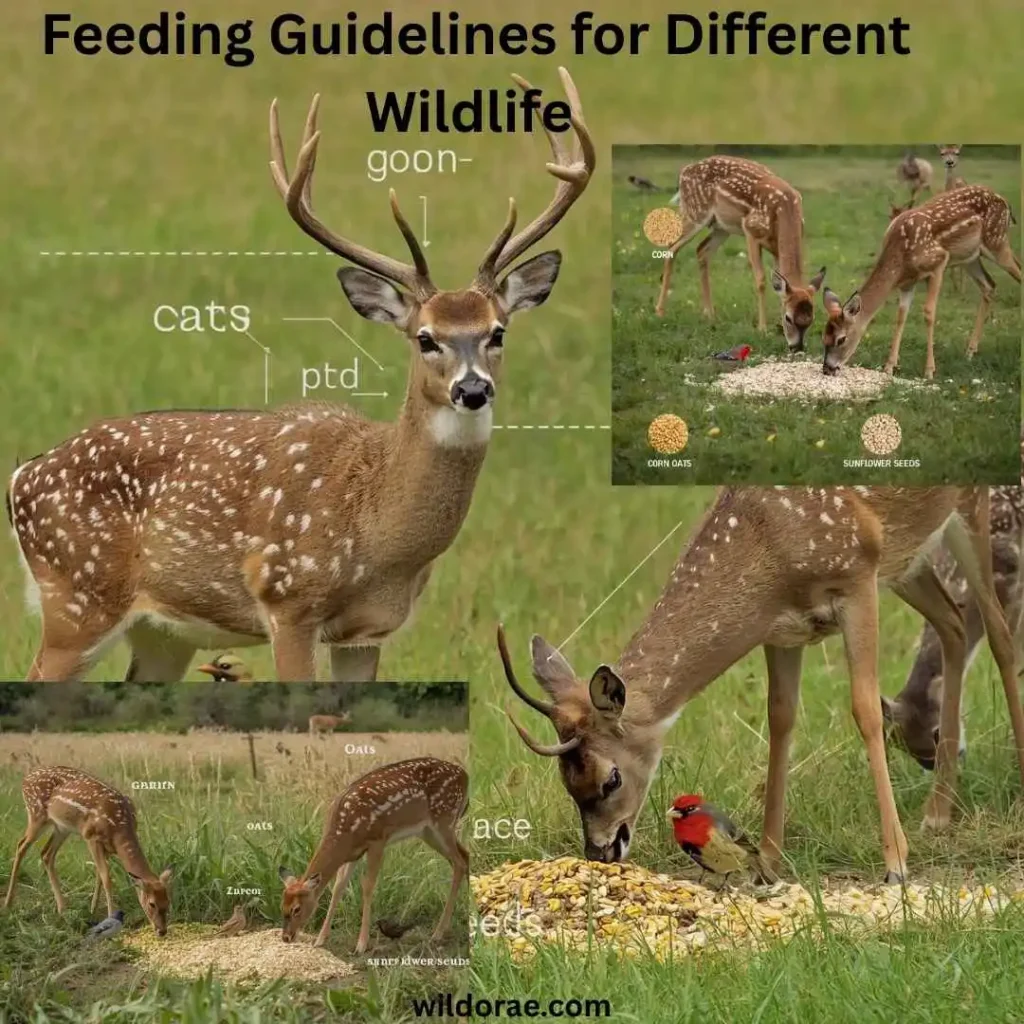
Feeding wildlife requires planning and understanding animal behavior. How much grain to feed wildlife depends on species, population, and season. Birds can eat small seeds like millet, sunflower, and sorghum, while deer need deer feed grains, wheat, or oats. Placing feed in natural locations improves wildlife habitat management and encourages natural foraging. Wildlife grain feeding tips include rotating feeding spots and providing fresh water alongside grains.
Planting food plots for wildlife correctly is also important. How to plant wildlife food plots and following a wildlife grain planting schedule ensures grains are available when wildlife needs them most. Feeding should not create dependency. Legal concerns feeding wildlife grains exist in some states, so always check local regulations.
Supplementing natural food with grains can increase survival rates during winter, reduce stress, and promote healthy growth in both birds and deer populations.
Benefits of Using Wildlife Grains and Blocks
Using wildlife grains and blocks improves animal health, supports local ecosystems, and encourages natural behaviors. The nutritional value of grains for wildlife provides essential energy for reproduction, growth, and survival. Wildlife attractants like millet and sunflower seeds draw animals to safe observation areas. Wildlife blocks, pellets, and all grain sweet feed make feeding easier, long-lasting, and effective.
Well-planned feeding programs support conservation efforts and allow enthusiasts to enjoy nature responsibly. When to plant grains for wildlife and selecting the which grains attract most wildlife ensures success in feeding programs. Combining grains like corn, oats, wheat, and sorghum provides balanced diets. By managing wildlife feeding thoughtfully, you enhance biodiversity, encourage animal activity, and maintain healthier populations across the USA.
Popular Wildlife Grains and Their Benefits
| Grain / Block | Target Wildlife | Key Benefits | Notes |
|---|---|---|---|
| Corn for wildlife | Deer, Small mammals | Energy-rich, easily digestible | Use in moderation |
| Oats for wildlife | Deer, Birds | Protein, fiber | Great for winter survival |
| Millet for wildlife | Birds | High protein | Attracts finches & sparrows |
| Barley for game animals | Deer, Turkeys | Balanced nutrition | Can be mixed with other grains |
| Sunflower seeds wildlife | Birds | Fat & protein | Excellent for wild bird feeders |
| Blue Seal Deer Pellets | Deer | Protein-rich | Supports healthy growth |
| All Grain Sweet Feed | Multiple species | Variety of nutrients | Attracts both birds and mammals |
FAQs
1. What are some wild grains?
Wild grains include millet, sorghum, oats, barley, and native seeds eaten by birds and small mammals.
2. What grains can I feed wild birds?
You can feed wild birds sunflower seeds, millet, cracked corn, and sorghum for nutrition and attraction.
3. What food attracts wildlife?
Corn, oats, sunflower seeds, apples, and grain mixtures attract deer, birds, and small mammals.
4. What is the best grain to attract deer?
Corn, oats, wheat, and barley are the most effective grains for attracting deer.
5. What is the best poor man’s food plot for deer?
A mix of oats, rye, or wheat is cost-effective and easy to plant for deer.
6. What is the 7 day deer rule?
The 7-day deer rule refers to limiting human disturbance in a feeding area for seven days before hunting to avoid scaring deer.
Conclusion
In conclusion, wildlife grains play a crucial role in supporting the health, growth, and survival of birds, deer, and other wildlife. By planting food plots for wildlife and offering grains like corn, oats, sunflower seeds, and millet, you can enhance wildlife nutrition and encourage natural behaviors.
Responsible feeding improves ecosystems, supports conservation efforts, and allows enthusiasts to enjoy wildlife safely. Choosing the right grains and following proper feeding practices ensures both animals and habitats thrive year-round.