Wildlife in Mount Everest is one of the most fascinating examples of survival on Earth. Many people believe nothing can live at such extreme heights, but Mount Everest wildlife proves this idea wrong. The region is home to unique animals and plants that survive cold temperatures, low oxygen, and harsh winds. Animals on Mount Everest have special body features that help them live in this tough environment.
From rare predators to colorful birds, the diversity is surprising. Understanding what animals live on Mount Everest helps us appreciate nature’s strength. Protecting Wildlife in Mount Everest is important because climate change and tourism are putting pressure on this fragile Himalayan ecosystem.
|Learn about us: Wildlife quilts
Overview of Wildlife in Mount Everest and the Himalayan Ecosystem
The Himalayan ecosystem around Mount Everest is unique and fragile. The Everest region wildlife lives across alpine and subalpine zones shaped by altitude and climate. This area is part of a UNESCO World Heritage Site, which shows its global importance. Forests, grasslands, rocky slopes, and glaciers together support a wide range of life.
The flora and fauna of Mount Everest depend on each other. Animals rely on plants for food and shelter, while plants depend on animals to spread seeds.
|See also: wildlife lamps
This balance shows the strong ecosystem resilience of the Everest region. Despite harsh conditions, the area remains one of Asia’s important biodiversity hotspots.
Altitudinal Zones of Mount Everest and Their Impact on Wildlife Diversity
Mount Everest is divided into different biogeographic zones based on height. Lower zones have forests and rivers, while higher zones are rocky and covered with ice. Each zone supports different Everest ecosystem animals adapted to that environment.
As altitude increases, survival becomes harder because of low oxygen levels and colder air. Many high altitude animals show strong habitat adaptation, such as thicker fur or stronger lungs. These natural changes help wildlife survive where humans cannot.
Lower zones support animals like red pandas and forest birds. Middle alpine zones support Himalayan tahr and grazing species. The highest zones are home to snow leopards and high-flying birds.
Animals Found on Mount Everest: From Snow Leopards to Himalayan Birds
Many people ask what animals live on Mount Everest. The region is home to powerful predators, gentle herbivores, and rare birds. These animals on Mount Everest are specially adapted to rocky and steep terrain.
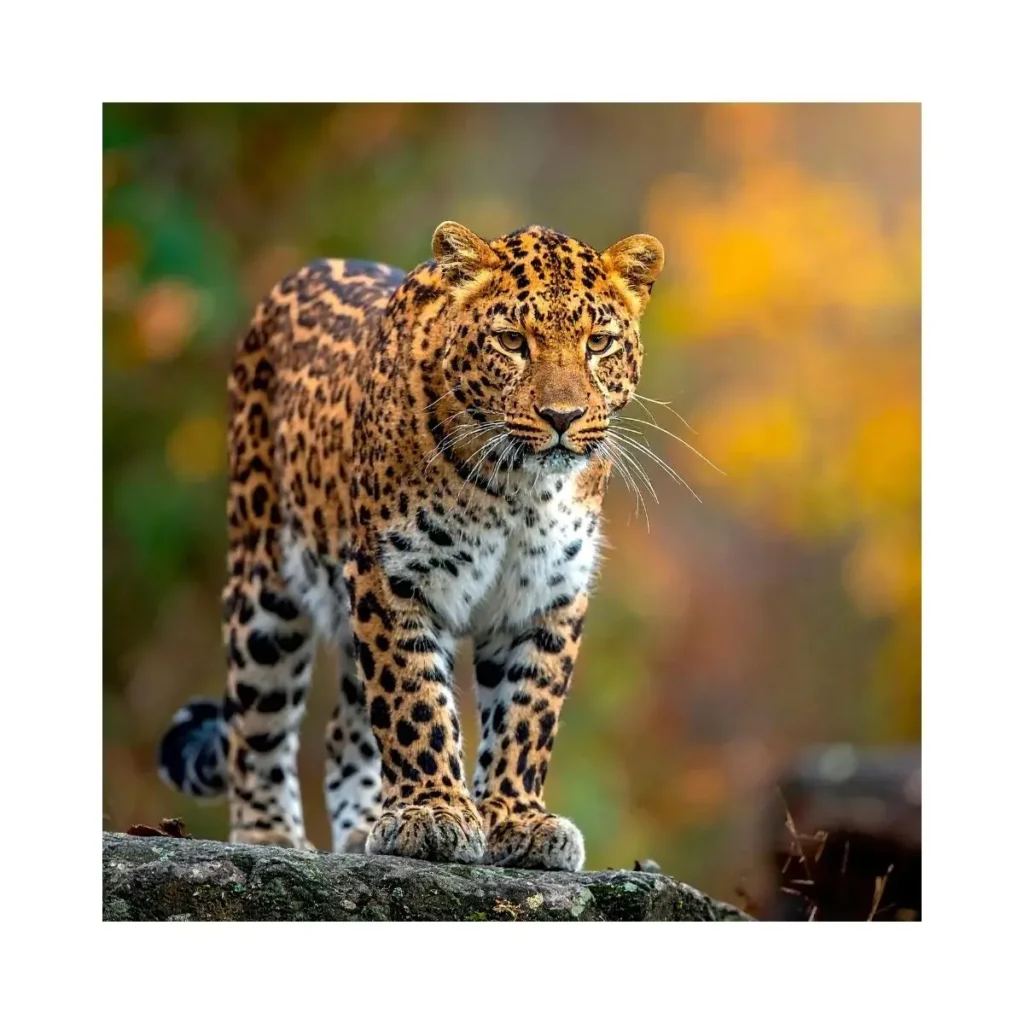
The snow leopard Mount Everest population is the most famous. It is an apex predator with thick fur and large paws that help it walk on snow. Himalayan tahr Everest animals live on steep slopes and provide food for predators. Himalayan birds Everest species, such as vultures and monals, can fly at very high altitudes.
Together, these species create a strong predator-prey relationship that keeps nature balanced.
Plants and Vegetation in Mount Everest: How Flora Survives Extreme Conditions
Mount Everest animals and plants depend heavily on strong vegetation. Plants grow slowly and stay close to the ground to survive wind and cold. Alpine vegetation includes mosses and lichens that can grow on rocks and ice.
Lower areas support rhododendron forests and many medicinal plants. These plants provide food, shelter, and protection for wildlife. Without plants, animals could not survive in the Everest region.
Plant life also helps prevent soil loss and supports water systems, making it essential for the entire ecosystem.
Rare and Endangered Species in the Mount Everest Region
Many rare animals in Mount Everest are under threat. Several species are listed as endangered species of Mount Everest due to climate change impact and human activity. Rising temperatures reduce snow cover and food sources.
The red panda Everest region population is declining because of forest loss. Snow leopards also face danger as prey numbers drop. These endemic species need strong protection to survive.
Protecting these animals also protects the entire Himalayan ecosystem.
Do Any Animals Live on Mount Everest?
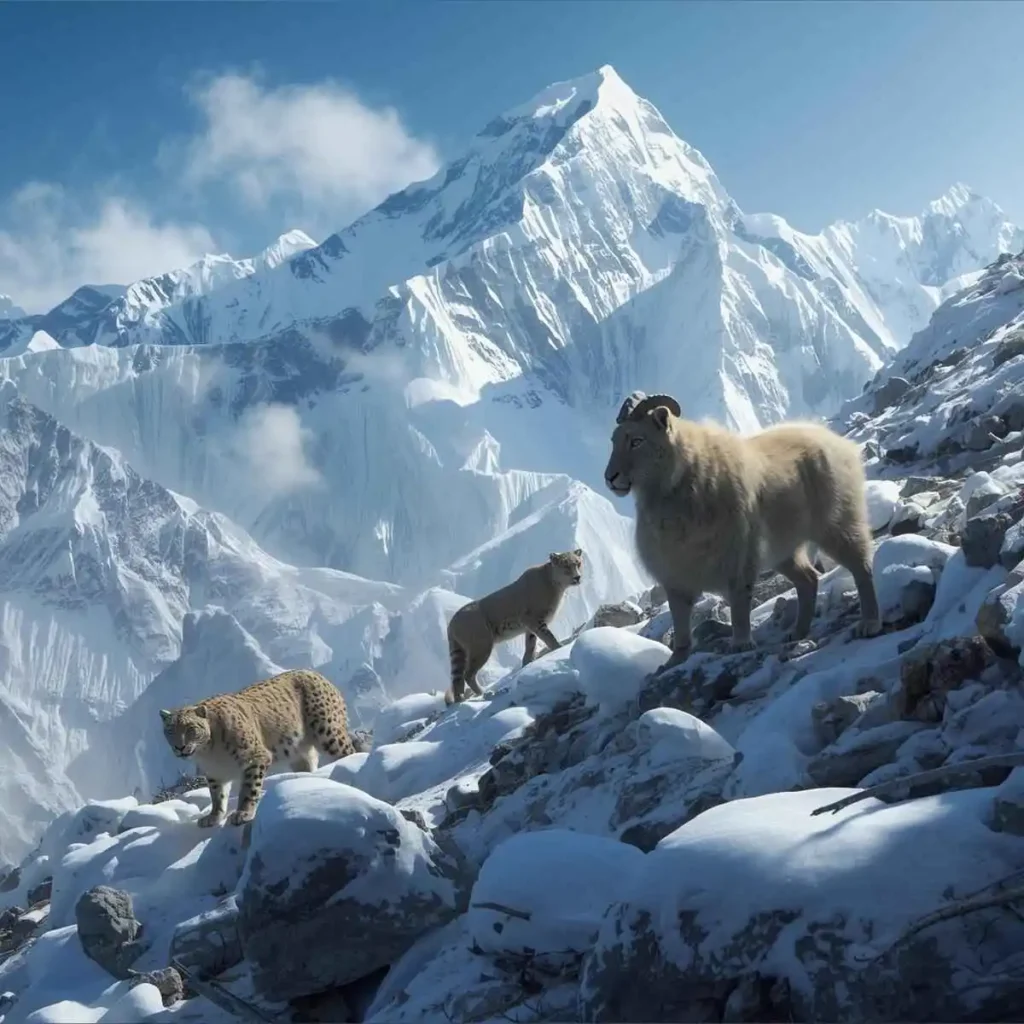
Yes, a small number of animals survive on Mount Everest despite extreme cold, low oxygen, and scarce food. These include hardy species such as snow leopards, Himalayan tahr, yaks, and birds like the bar-headed goose, mostly at lower elevations.
Plants and Animals on Mount Everest
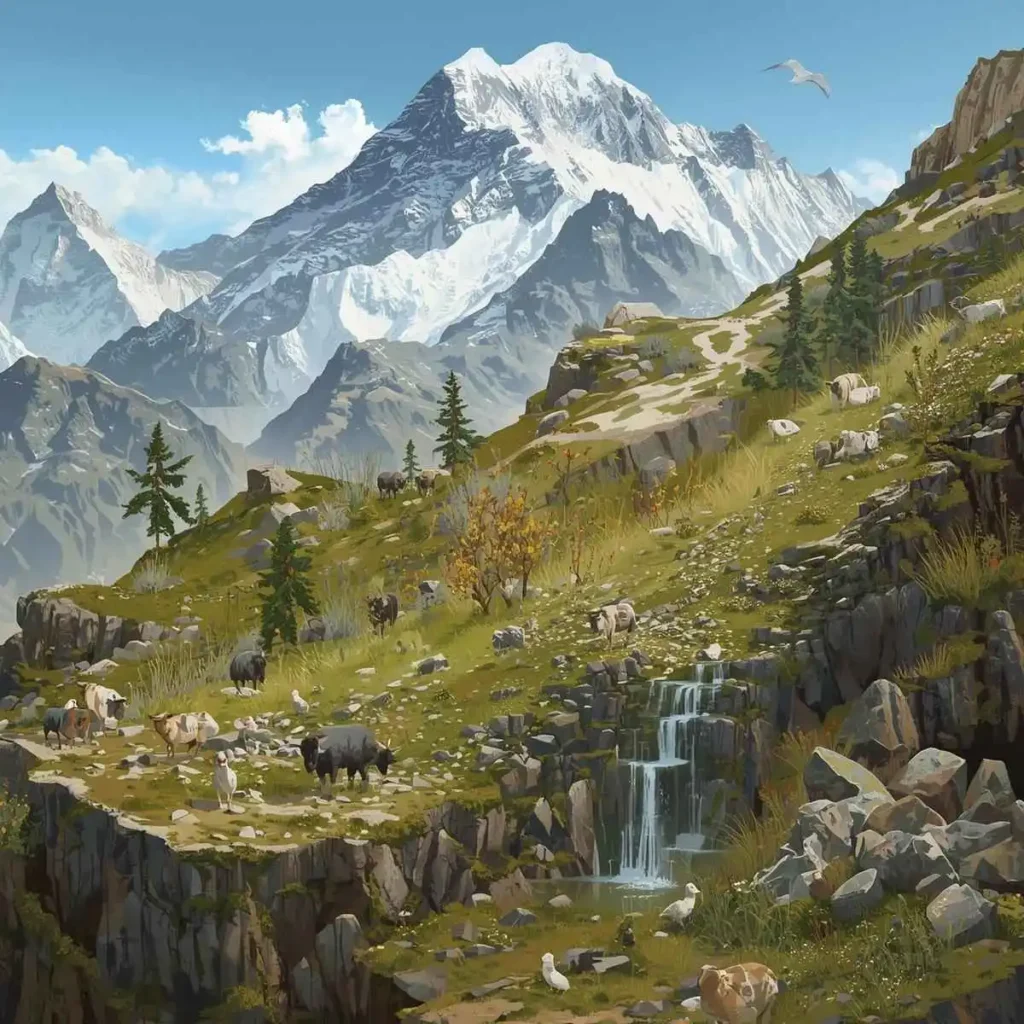
Life on Mount Everest is limited and altitude-dependent. Lower slopes support grasses, mosses, shrubs, and alpine flowers. These plants sustain animals such as yaks, pikas, insects, and birds. As elevation increases, vegetation disappears, leaving only a few resilient animal species.
What Animals Live on Mt Everest?
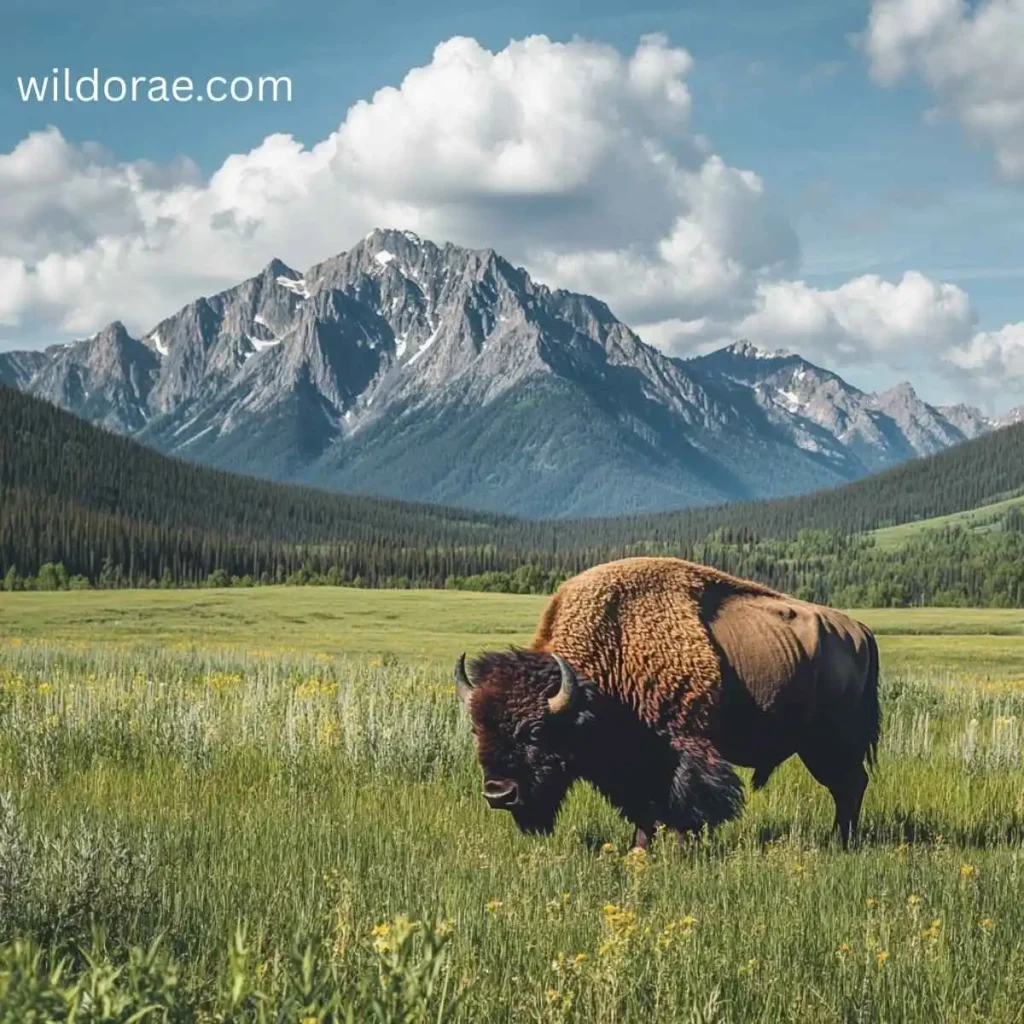
Animals living on Mount Everest include snow leopards, Himalayan tahr, musk deer, yaks, pikas, and several bird species. Most inhabit lower regions below the snow line, while only a few birds and insects venture into higher, harsher zones.
Human Impact, Tourism, and Conservation Efforts on Mount Everest Wildlife
Human activity has a strong human impact on wildlife in the Everest region. Trekking and climbing bring money but also create trekking and tourism pressure. Waste, noise, and trail damage disturb animals and plants.
Many conservation efforts now focus on balance. Wildlife protection initiatives promote education and sustainable tourism. Local communities help protect Sagarmatha National Park wildlife while earning income through eco-friendly tourism.
Responsible travel helps reduce damage and supports long-term protection.
Best Time to See Wildlife in Mount Everest and Tips for Nature Lovers
The best time for wildlife observation in the Everest region is spring and autumn. During these seasons, animals are more active and weather is stable. Many travelers see wildlife near Everest Base Camp at this time.
Wildlife-friendly trekking is important. Visitors should stay quiet, avoid feeding animals, and respect nature. These small actions help protect the ecosystem for the future.
FAQs
- Does any animal live on Mount Everest?
Yes, a few hardy animals like Himalayan snow leopards, yaks, and some birds survive at lower slopes. - What is the 2pm rule on Everest?
Climbers should descend from the summit by 2 PM to avoid dangerous weather and ensure enough daylight for safety. - What is the biggest killer on Everest?
Avalanches, extreme altitude, and sudden weather changes are the primary causes of fatalities. - What famous body was found on Everest?
The body of George Mallory, a legendary early British climber, was discovered in 1999. - Why do planes not fly over Everest?
Planes avoid Everest due to extreme altitude, unpredictable winds, and thin air affecting lift and engine performance.
Final Thoughts
Mount Everest’s wildlife demonstrates that life can endure under the most trying circumstances. Every species, from alpine wildflowers to snow leopards, contributes to this delicate system. It is everyone’s duty to protect this ecology. For future generations, Mount Everest will continue to represent strength, balance, and survival through conservation, awareness, and respect for the natural world.