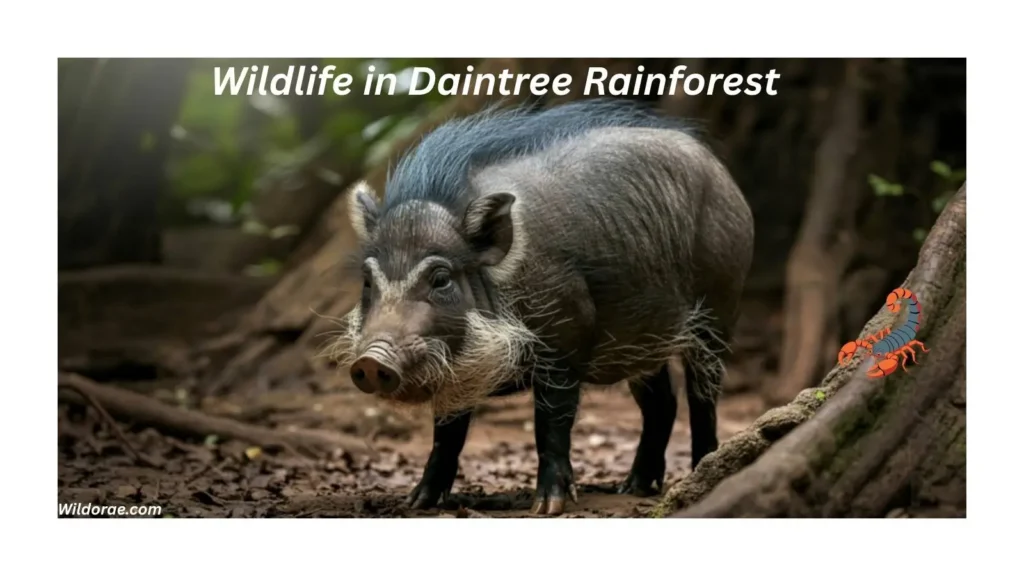
The Daintree Rainforest wildlife is one of the most unique and diverse in the world. Located in Far North Queensland, this tropical rainforest ecosystem has existed for over 135 million years. It is home to many rare Australian rainforest animals that have adapted to live in this ancient forest. From the colorful Southern Cassowary bird to the fascinating Lumholtz’s Tree Kangaroo, the variety of creatures here is incredible.
The Daintree offers visitors a chance to explore rich rainforest biodiversity and experience nature like nowhere else. Understanding what wildlife lives in the Daintree Rainforest helps us appreciate the importance of protecting this precious environment for future generations.
|See more: African wildlife artwork
Iconic Animals of the Daintree Rainforest
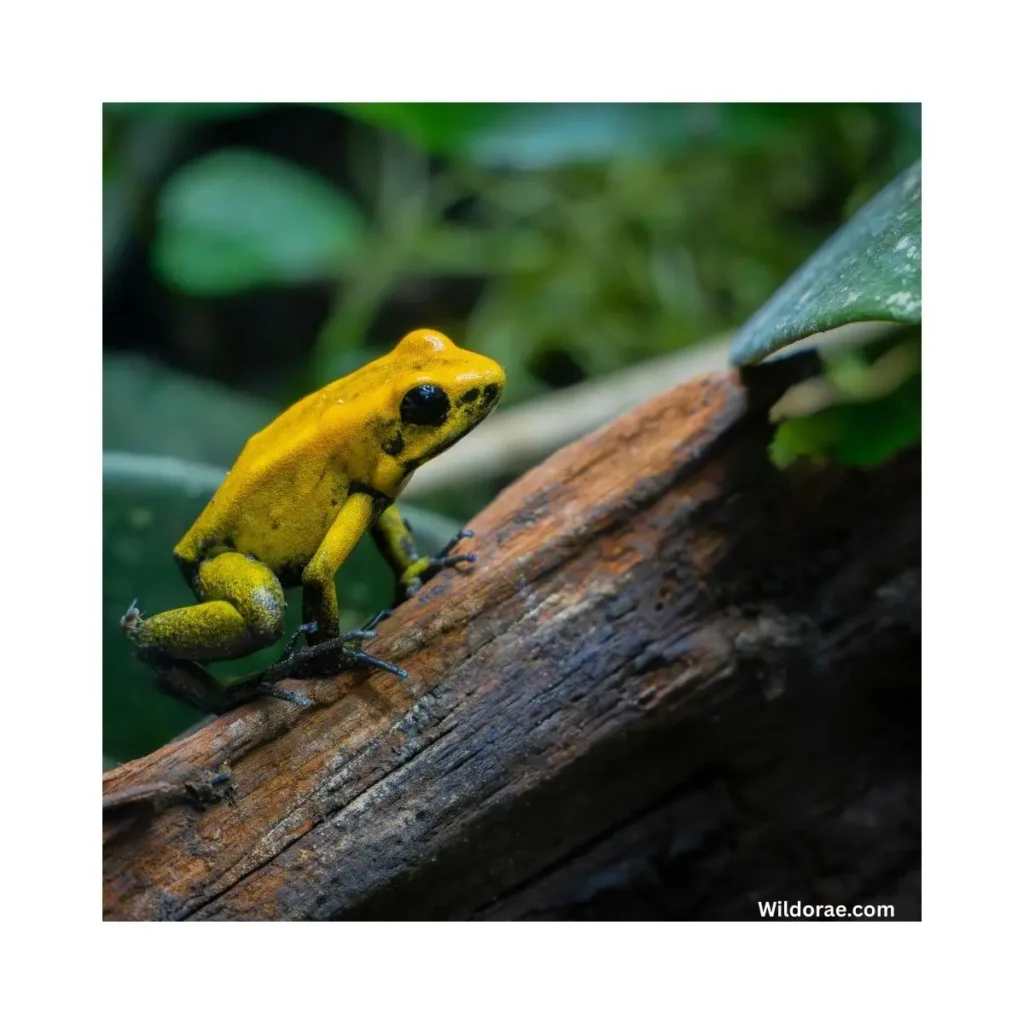
The Daintree is famous for its unique Australian rainforest animals. The Southern Cassowary bird is one of the most striking species. With its large size, bright blue skin, and helmet-like casque, the cassowary is both beautiful and powerful. This bird helps the forest by spreading seeds from the fruits it eats, making it vital for the rainforest’s growth. Spotting a cassowary in the wild is a rare and special moment since these birds are shy and tend to avoid people.
Another impressive animal is the estuarine crocodile, sometimes called the saltwater crocodile. It is one of the largest reptiles in the world, reaching lengths of up to 20 feet. These crocodiles are top predators in the rivers and wetlands, playing a critical role in maintaining the balance of species. The Lumholtz’s Tree Kangaroo, a tree-dwelling marsupial, is another fascinating resident. This unique animal moves gracefully through the treetops, showing incredible rainforest animal adaptations that help it survive high above the ground.
The Role of Insects and Smaller Creatures in the Rainforest
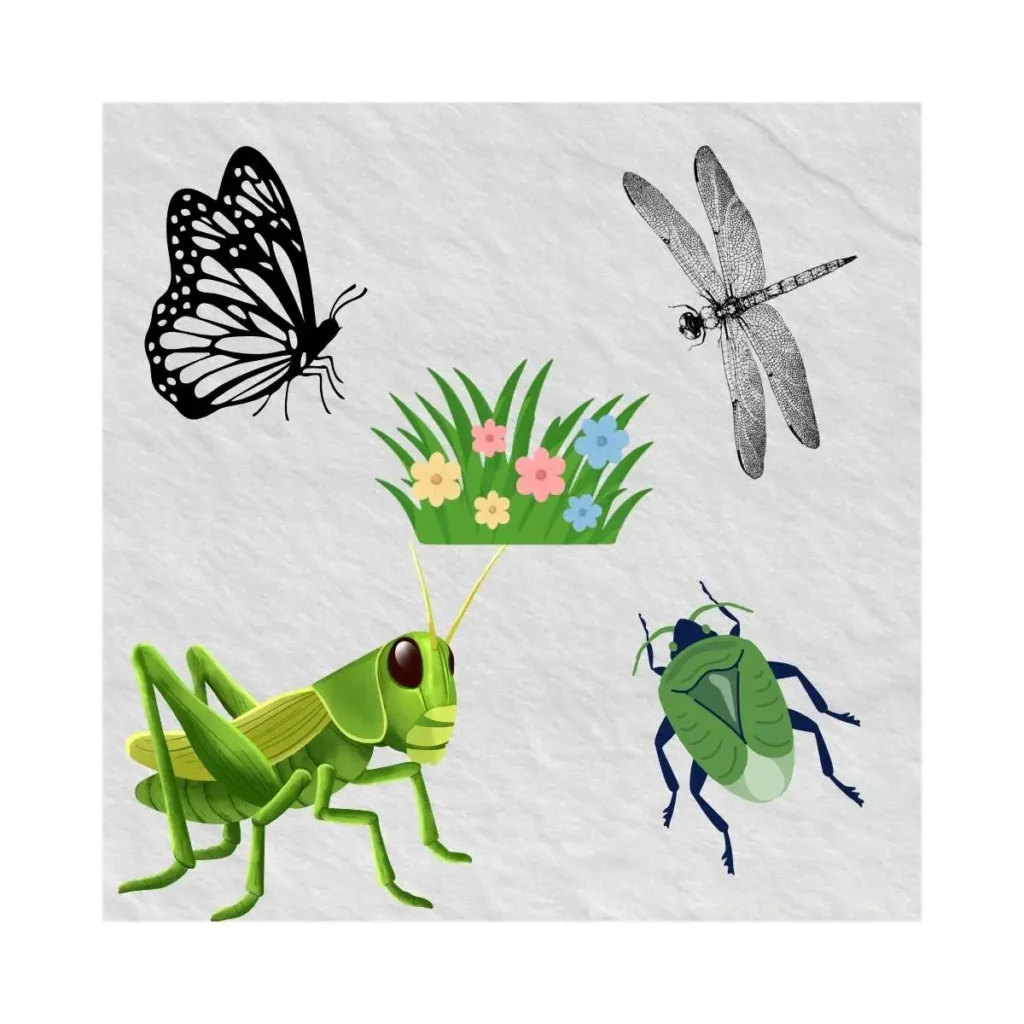
Insects and small creatures are essential for the health of the Daintree Rainforest biodiversity. Many of them, like the bioluminescent insects and fungi, glow in the dark, adding an enchanting glow to the forest at night. This glow helps insects attract mates or lure prey, and the fungi spread spores that grow new plants. Their presence shows a healthy and balanced ecosystem.
Small mammals like the Sugar Glider have amazing habits. These tiny marsupials can glide up to 150 feet between trees using a flap of skin called the patagium. This ability lets them escape predators and move safely through the forest canopy. By feeding on nectar and pollen, sugar gliders also help pollinate plants, playing a role in the forest’s ongoing growth and health.
The Rainforest Canopy: Life in the Treetops
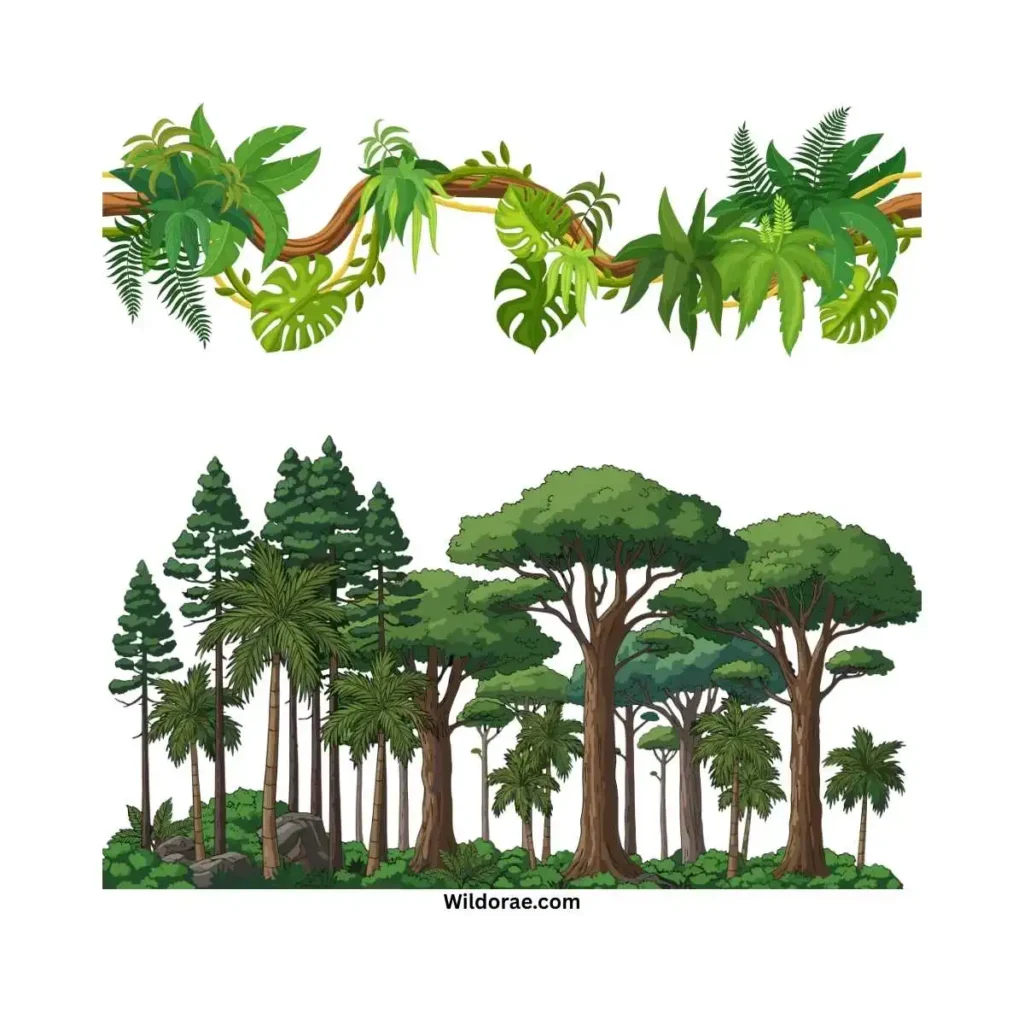
The top layer of the Daintree is known as the canopy, where many unique rainforest canopy animals live. One important animal here is the Flying Fox, also called the “flying rainforest gardener.” These bats fly long distances to pollinate flowers and carry seeds, helping plants reproduce over large areas. The canopy is a different world full of life that depends on the trees for food and shelter.
Animals like the Lumholtz’s Tree Kangaroo live high up in the canopy to avoid ground predators. The treetops are filled with birds, reptiles, and mammals that have adapted to this environment. The canopy is vital for maintaining the rainforest’s diversity, providing habitats for creatures that rarely come to the forest floor.
Conservation and Protection Efforts in the Daintree

The Daintree faces threats such as habitat loss, climate change, and invasive species. However, it benefits from strong conservation efforts. It is part of the Wet Tropics World Heritage Area, which protects the forest under law. Local groups and scientists work to protect endangered species like the Southern Cassowary and estuarine crocodile while promoting rainforest habitat protection.
Education programs help visitors understand the importance of conservation. Sustainable tourism and controlled access to sensitive areas help reduce human impact. These efforts are crucial to ensure the Daintree continues to be a safe home for its incredible wildlife.
How Visitors Can Experience Daintree Wildlife Safely and Responsibly
Visitors can explore the Daintree through rainforest guided tours, which offer safe and informative wildlife viewing. The Daintree Discovery Centre is a great starting point for learning about the rainforest’s plants and animals. It’s important to respect the wildlife and stay on marked paths, especially near dangerous animals like crocodiles.
Guides teach visitors how to spot creatures like the Southern Cassowary without disturbing them. Responsible tourism helps protect the forest by minimizing damage and educating people about the ecosystem. Visitors who are patient and quiet often get the best wildlife experiences.
Why the Daintree Rainforest Is a Must-Visit for Nature Lovers
The Daintree Rainforest is a treasure for nature lovers. It offers a unique chance to see some of the world’s oldest wildlife and plants in their natural habitat. Visitors can witness rare creatures like the Lumholtz’s Tree Kangaroo and bioluminescent fungi, making it an unforgettable experience.
The sounds, colors, and mysteries of this ancient forest create a magical atmosphere. The Daintree is not just a place to visit; it is a place to learn about evolution, survival, and the importance of protecting nature. For anyone interested in rainforest flora and fauna or rainforest eco-tourism, the Daintree is a must-see destination.
FAQs
Q: What is the top predator in the Daintree Rainforest?
A: The estuarine crocodile is the top predator in the Daintree Rainforest.
Q: Is it safe to swim in the Daintree Rainforest?
A: Swimming is only safe in certain areas; always check local advice due to crocodile presence.
Q: What is the rarest animal in the Daintree Rainforest?
A: The Lumholtz’s Tree Kangaroo is one of the rarest animals in the Daintree.
Q: Are there venomous snakes in the Daintree?
A: Yes, several venomous snakes live in the Daintree Rainforest.
Q: Can a human survive an inland taipan bite?
A: Yes, with immediate medical treatment, survival from an inland taipan bite is possible.
Q: What is the number one deadliest animal in Australia?
A: The box jellyfish is considered Australia’s deadliest animal.
Q: What should I be careful of in Australia?
A: Be cautious of wildlife like snakes, spiders, jellyfish, and crocodiles.
Q: What is Australia’s biggest predator?
A: The saltwater crocodile is Australia’s biggest predator.
Q: Is it safe to swim in Australian waters?
A: Swimming is safe in many places but avoid areas with jellyfish and crocodiles.
Final Thoughts
The wildlife in the Daintree Rainforest offers a remarkable glimpse into a world that has survived for millions of years. From mighty crocodiles to tiny glowing insects, every creature plays a part in this rich ecosystem. Protecting the Daintree means preserving a natural treasure for future generations to enjoy and learn from. Responsible travel, conservation, and education are key to keeping this rainforest healthy.
For nature lovers and adventurers alike, the Daintree Rainforest is more than a destination. It is a reminder of nature’s power and beauty and why we must do all we can to protect such irreplaceable places. Visiting the Daintree is a chance to connect deeply with the natural world and witness the wonders of tropical rainforest conservation in action.