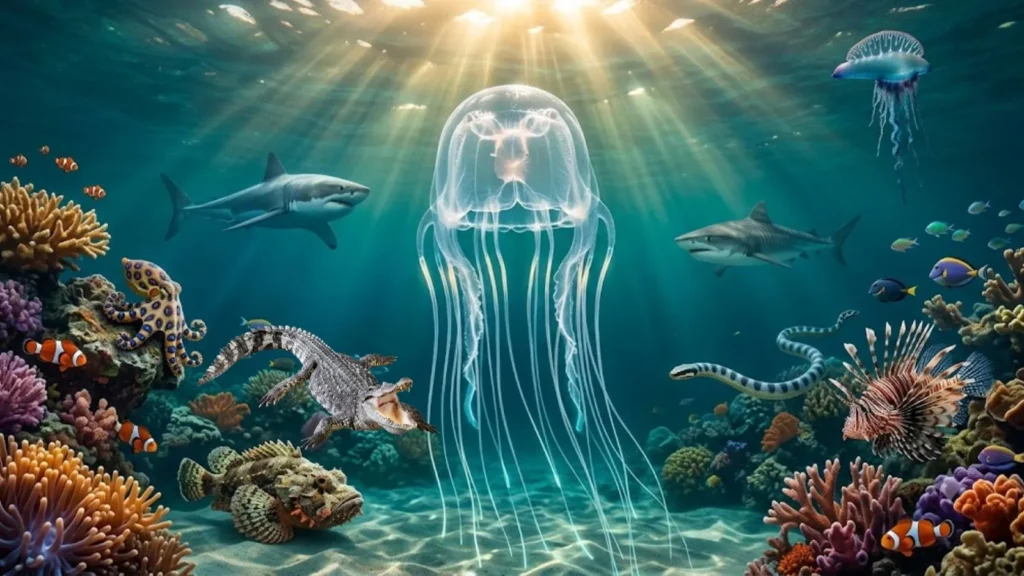
The ocean covers more than 70% of Earth’s surface and is home to millions of fascinating creatures. While many marine animals are harmless, a few have powerful venom, sharp teeth, or aggressive behavior that can seriously injure humans. People often wonder about the most dangerous animal in the ocean because movies, documentaries, and social media frequently highlight deadly sea creatures. However, the real answer may surprise you.
The ocean’s deadliest animals based on scientific facts rather than myths. You’ll learn what makes these creatures dangerous, where they live, how they hunt, and how to stay safe during your next beach vacation or diving adventure.
Related: Wildlife on the Oregon Trail
Most Dangerous Animal in the Ocean – Quick Answer
The box jellyfish is widely considered the most dangerous animal in the ocean.
Its tentacles contain one of the strongest venoms found in nature. A single sting can cause severe pain, heart failure, paralysis, and even death if medical treatment is delayed.
However, the box jellyfish is not the only dangerous marine animal. Several other sea creatures can also pose serious risks to humans through venom, powerful bites, or defensive attacks.
What Makes an Ocean Animal Dangerous?
Not every large sea creature is dangerous. In fact, many giant marine animals are gentle and avoid humans completely.
A marine animal becomes dangerous because of one or more of these traits:
- Extremely powerful venom
- Strong jaws or crushing bite force
- Sharp teeth or venomous spines
- Defensive attacks when threatened
- Ability to camouflage before striking
- Speed and hunting skills
Some dangerous animals rarely attack people on purpose. Most incidents happen because humans accidentally disturb them.
Why the Ocean Contains So Many Dangerous Creatures
The ocean is one of the world’s most competitive ecosystems. Animals must hunt, defend themselves, and survive among countless predators.
Over millions of years, marine species evolved remarkable survival tools, including:
- Venom for hunting prey
- Camouflage for hiding
- Powerful jaws for capturing food
- Electric shocks for defense
- Poisonous skin or spines
These adaptations help animals survive in the wild, even though they occasionally become dangerous to humans.
Top 10 Most Dangerous Animals in the Ocean
1. Box Jellyfish
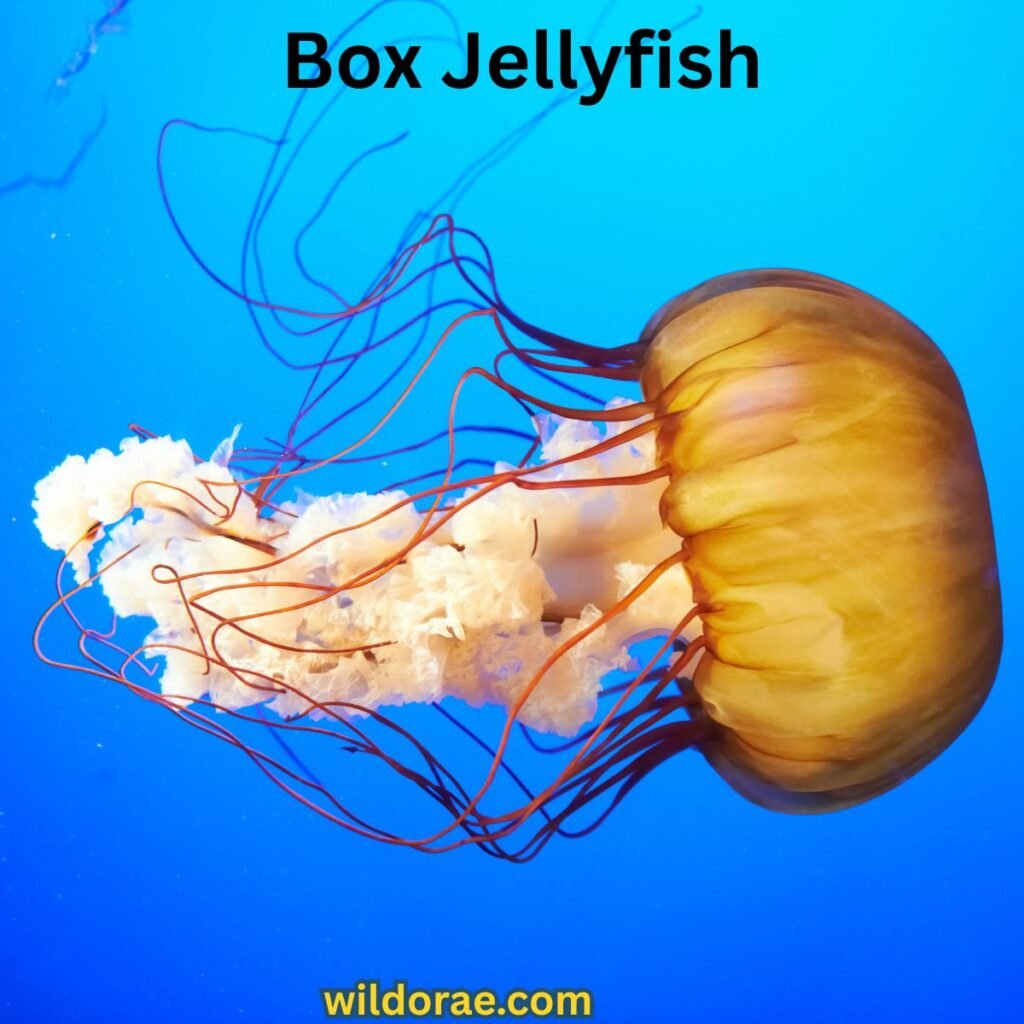
The box jellyfish deserves the top position on nearly every list of dangerous marine animals.
Its transparent body makes it difficult to spot in the water. Long tentacles trail behind, covered with thousands of microscopic stinging cells called nematocysts.
Why It Is Dangerous
- Extremely powerful venom
- Can stop the heart within minutes
- Causes intense pain
- May trigger paralysis
- Multiple stings can be fatal
Habitat
Box jellyfish mainly live in:
- Northern Australia
- Indo-Pacific waters
- Southeast Asia
Interesting Fact
Each tentacle contains thousands of venom-filled cells that fire instantly when touched.
2. Saltwater Crocodile
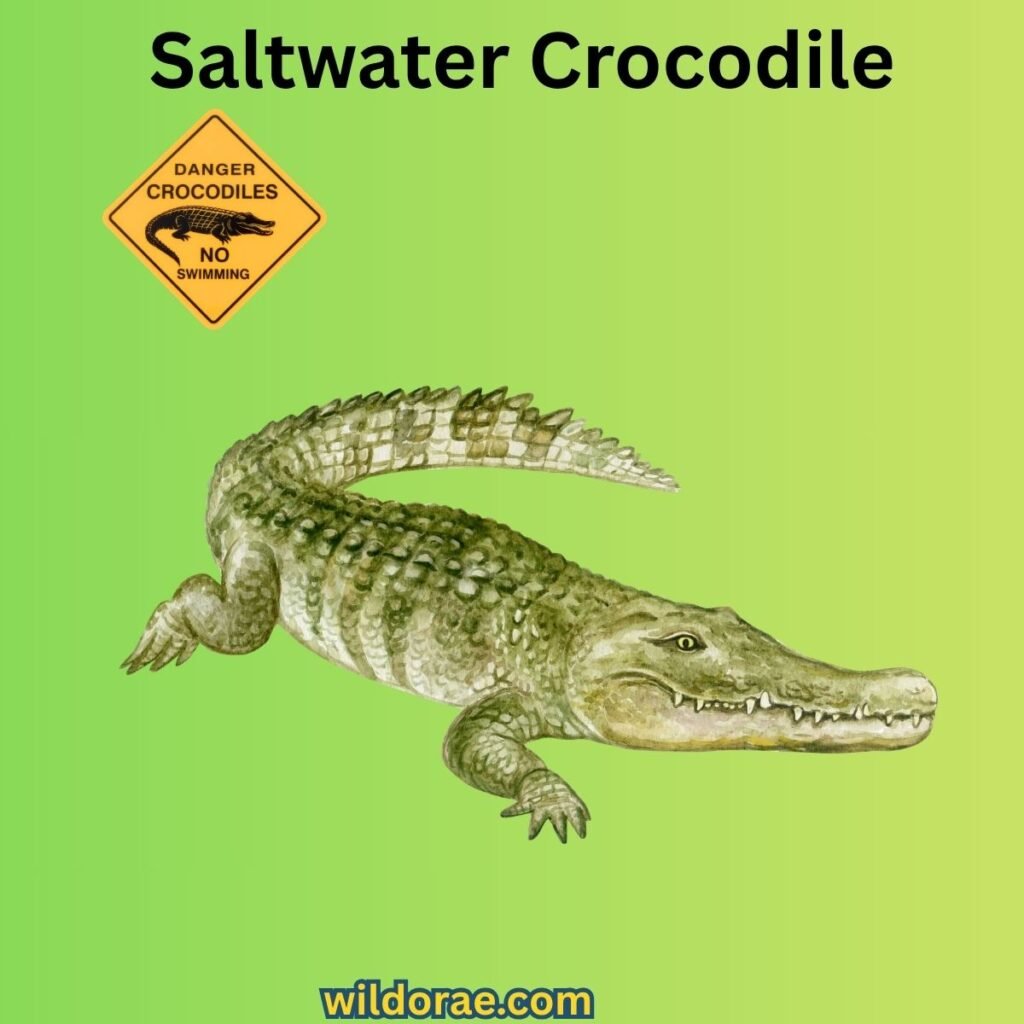
Although crocodiles often live in rivers and estuaries, saltwater crocodiles regularly enter coastal oceans.
They are the largest living reptiles on Earth.
Why They Are Dangerous
- Incredible bite force
- Ambush predator
- Extremely territorial
- Powerful swimming ability
Adult males can exceed 20 feet (6 meters) in length and weigh more than 2,000 pounds (900 kg).
Habitat
- Northern Australia
- Indonesia
- Papua New Guinea
- Southeast Asia
These crocodiles can swim many miles into the open sea.
3. Great White Shark
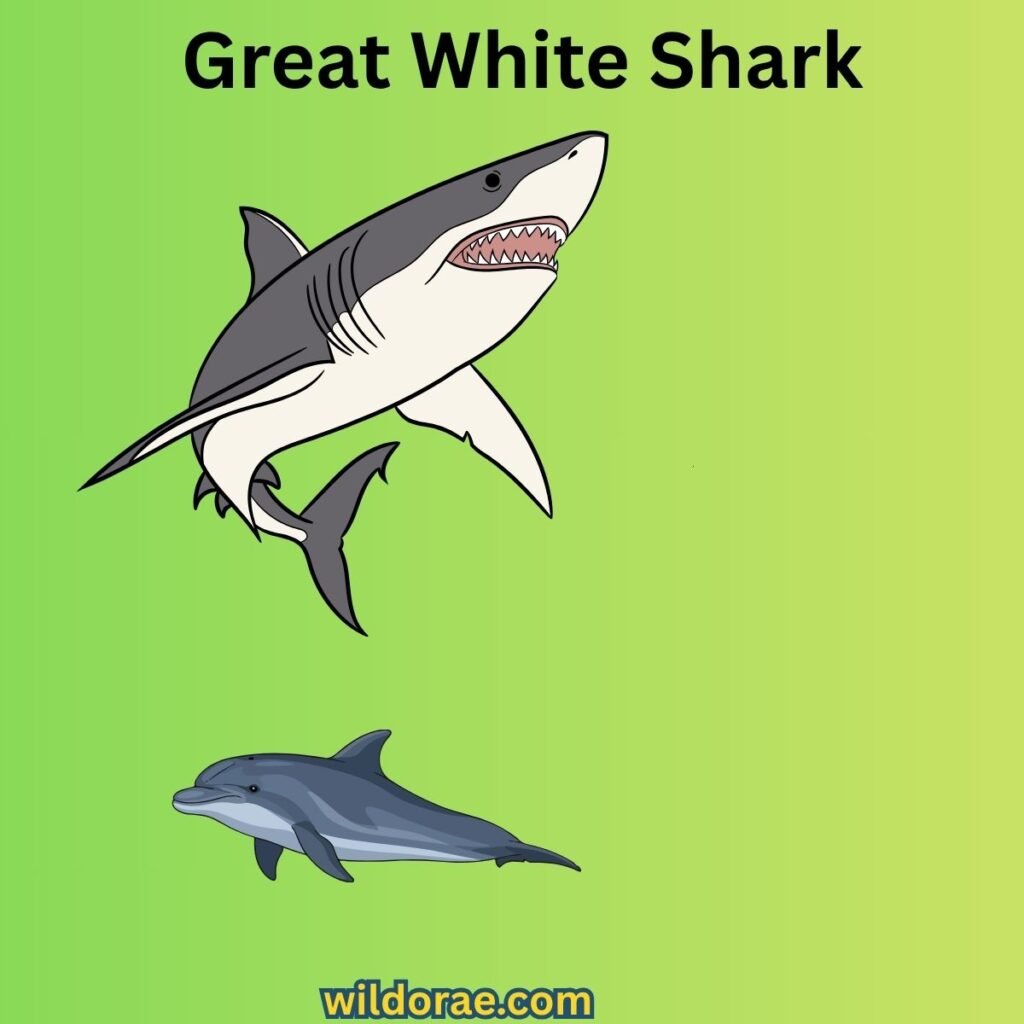
The great white shark is probably the world’s most famous marine predator.
Movies often portray it as a monster, but attacks on humans remain relatively rare.
Why It Is Dangerous
- Massive bite force
- Razor-sharp teeth
- Excellent hunting senses
- Fast swimming speed
Great whites usually bite humans by mistake while hunting seals.
Habitat
They are commonly found in:
- South Africa
- California
- Australia
- New Zealand
- Mediterranean waters
Interesting Fact
Great white sharks can detect tiny electrical signals produced by nearby animals.
4. Blue-Ringed Octopus
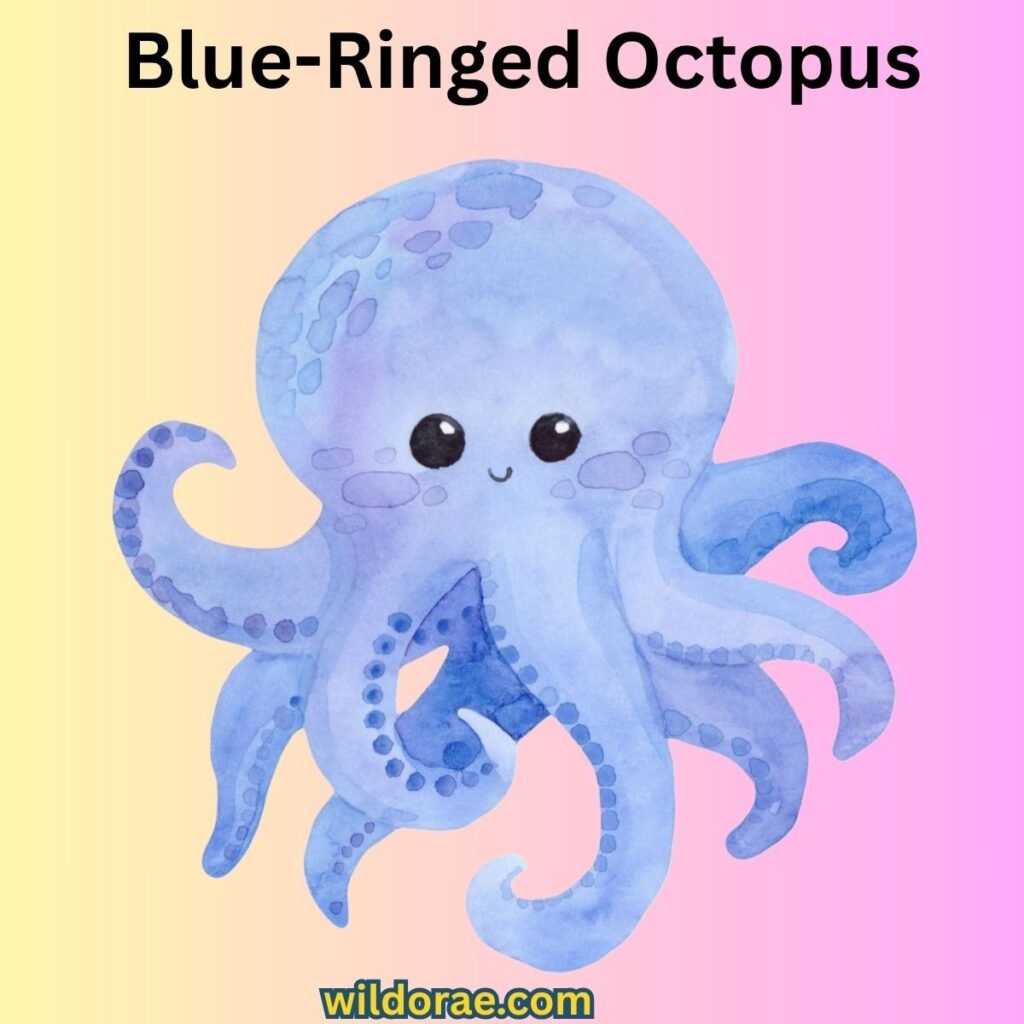
Don’t let its tiny size fool you.
The blue-ringed octopus is only about the size of a golf ball, yet it carries venom powerful enough to kill several adults.
Bright blue rings appear on its body when it feels threatened.
Why It Is Dangerous
Its venom contains tetrodotoxin, a powerful neurotoxin that:
- Causes paralysis
- Stops breathing
- Has no known antidote
Victims require immediate medical support until the toxin wears off.
Habitat
- Australia
- Japan
- Indonesia
- Pacific coral reefs
Despite its deadly venom, the blue-ringed octopus is naturally shy.
5. Stonefish
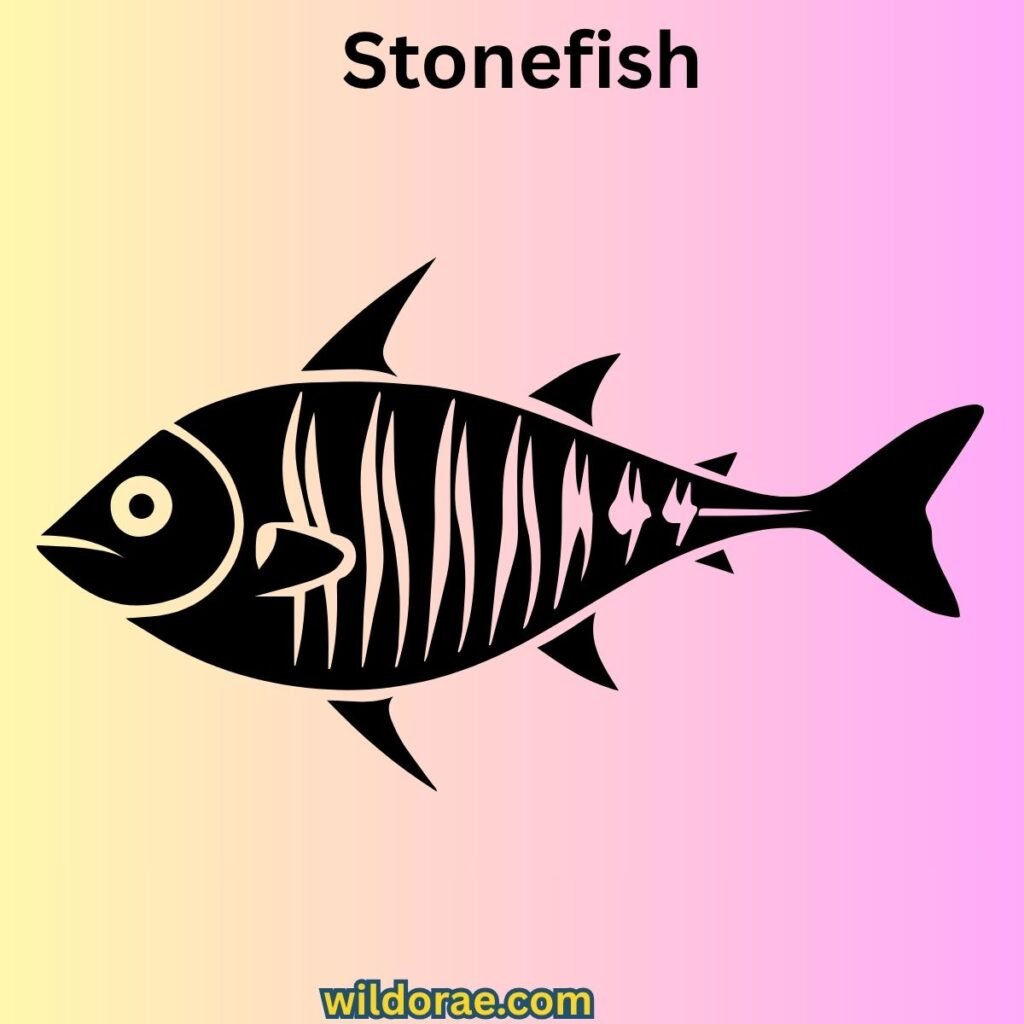
The stonefish is considered the world’s most venomous fish.
It blends perfectly with rocks and coral, making it almost impossible to see.
Most injuries occur when someone accidentally steps on it.
Why It Is Dangerous
Its dorsal spines inject venom that can cause:
- Unbearable pain
- Tissue damage
- Swelling
- Shock
- Death in severe cases
Habitat
Stonefish are found in:
- Indo-Pacific waters
- Coral reefs
- Shallow coastal areas
Fun Fact
Some stonefish can survive outside water for many hours if they remain moist.
Comparison of the Top 5 Most Dangerous Ocean Animals
| Animal | Main Danger | Habitat | Threat to Humans |
|---|---|---|---|
| Box Jellyfish | Powerful venom | Indo-Pacific | Extremely High |
| Saltwater Crocodile | Crushing bite | Coastal rivers & oceans | Very High |
| Great White Shark | Powerful bite | Temperate oceans | High |
| Blue-Ringed Octopus | Neurotoxic venom | Coral reefs | High |
| Stonefish | Venomous spines | Shallow reefs | High |
Can Humans Avoid Dangerous Ocean Animals?
Yes. Most dangerous marine animals do not actively hunt humans. Encounters usually happen because people accidentally enter their territory or fail to notice them in the water.
6. Sea Snake
Sea snakes are among the most venomous reptiles on Earth. Fortunately, they are usually calm and prefer to avoid humans. Most bites happen when fishermen accidentally catch them in nets or when people try to handle them.
Why It Is Dangerous
Sea snake venom attacks the nervous system and muscles. A serious bite may cause:
- Muscle weakness
- Difficulty breathing
- Paralysis
- Kidney damage
Many sea snakes have short fangs, so they rarely inject venom into humans. Even so, every bite should be treated as a medical emergency.
Habitat
Sea snakes live in:
- Indian Ocean
- Pacific Ocean
- Coastal waters of Australia
- Southeast Asia
7. Lionfish
The lionfish is one of the ocean’s most beautiful yet dangerous fish. Its colorful stripes and flowing fins make it attractive, but its long spines contain venom.
Why It Is Dangerous
A lionfish sting can cause:
- Severe pain
- Swelling
- Nausea
- Fever
- Temporary weakness
Although the sting is rarely fatal, it can be extremely painful.
Habitat
Lionfish are found in:
- Indo-Pacific region
- Caribbean Sea
- Atlantic Ocean (as an invasive species)
Interesting Fact
Lionfish reproduce quickly and have become an invasive species in many parts of the Atlantic, threatening local reef ecosystems.
8. Tiger Shark
Tiger sharks are powerful predators with a reputation for eating almost anything. They rank among the shark species most often involved in unprovoked attacks on humans.
Why It Is Dangerous
Tiger sharks have:
- Powerful jaws
- Serrated teeth
- Excellent vision
- Strong sense of smell
They often investigate unfamiliar objects by biting them, which explains many human encounters.
Habitat
They are commonly found in:
- Tropical oceans
- Hawaii
- Caribbean Sea
- Gulf of Mexico
- Australian waters
9. Portuguese Man o’ War
Although it looks like a jellyfish, the Portuguese man o’ war is actually a floating colony of specialized organisms working together.
Its long tentacles can stretch more than 100 feet (30 meters).
Why It Is Dangerous
Its sting can cause:
- Intense burning pain
- Skin welts
- Muscle cramps
- Difficulty breathing
- Allergic reactions
Even detached tentacles washed onto the beach can still sting.
Habitat
It floats across:
- Atlantic Ocean
- Pacific Ocean
- Indian Ocean
10. Moray Eel
Moray eels usually hide inside rocky crevices and coral reefs. They are not aggressive unless they feel trapped or threatened.
Why It Is Dangerous
Moray eels have:
- Sharp, curved teeth
- Powerful jaws
- Strong grip
Their bites can cause deep wounds that may become infected because bacteria often remain in their mouths.
Habitat
Moray eels live in:
- Tropical reefs
- Coral lagoons
- Rocky coastlines
Comparison Table of the Most Dangerous Ocean Animals
| Animal | Main Danger | Typical Habitat | Risk Level |
|---|---|---|---|
| Box Jellyfish | Deadly venom | Indo-Pacific | Extremely High |
| Saltwater Crocodile | Crushing bite | Coastal rivers and estuaries | Very High |
| Great White Shark | Powerful bite | Temperate oceans | High |
| Blue-Ringed Octopus | Neurotoxic venom | Coral reefs | High |
| Stonefish | Venomous spines | Shallow reefs | High |
| Sea Snake | Potent venom | Tropical oceans | High |
| Lionfish | Venomous spines | Coral reefs | Moderate |
| Tiger Shark | Powerful bite | Tropical oceans | High |
| Portuguese Man o’ War | Painful sting | Open oceans | Moderate to High |
| Moray Eel | Deep bite | Coral reefs | Moderate |
Ocean Safety Tips
You can safely enjoy the ocean by following a few simple precautions.
- Swim only at beaches monitored by lifeguards.
- Obey warning signs about dangerous marine life.
- Avoid touching unknown sea animals.
- Wear protective water shoes in rocky or shallow areas.
- Never swim alone in unfamiliar waters.
- Stay away from animals that appear injured or trapped.
- Watch where you step while snorkeling or diving.
- Learn basic first aid for marine stings and bites.
These habits greatly reduce the chance of a dangerous encounter.
Common Myths About Dangerous Ocean Animals
Myth 1: Sharks Hunt Humans
Fact: Sharks do not view humans as their preferred prey. Most bites are believed to be cases of mistaken identity.
Myth 2: Every Jellyfish Is Deadly
Fact: Only a small number of jellyfish species have venom that can seriously harm people.
Myth 3: Small Sea Creatures Are Safe
Fact: Tiny animals like the blue-ringed octopus can be more dangerous than much larger marine predators.
Myth 4: All Dangerous Animals Attack First
Fact: Most marine animals only attack when they feel threatened, surprised, or cornered.
Why These Animals Matter
Although these creatures can be dangerous, they are also essential to healthy marine ecosystems. Sharks help control fish populations, jellyfish are part of the ocean food chain, and predators maintain the balance of marine life.
Protecting these animals and their habitats is just as important as learning how to stay safe around them. Responsible tourism, pollution reduction, and sustainable fishing practices all contribute to healthier oceans.
Frequently Asked Questions
What is the most dangerous animal in the ocean?
The box jellyfish is widely regarded as the most dangerous ocean animal because of its extremely powerful venom, which can cause heart failure and death within minutes in severe cases.
Which shark is the most dangerous to humans?
The great white shark, tiger shark, and bull shark are responsible for the highest number of serious shark attacks worldwide.
What is the most venomous fish in the ocean?
The stonefish holds this title. Its venomous dorsal spines can cause severe pain and life-threatening complications if left untreated.
Are dolphins dangerous?
Wild dolphins are generally friendly and curious, but they are strong animals. They can become aggressive if provoked or protecting their young, so it is best to observe them from a safe distance.
Which ocean has the most dangerous marine animals?
The Indo-Pacific region, especially around northern Australia and Southeast Asia, contains many of the world’s most venomous sea creatures, including box jellyfish, stonefish, sea snakes, and blue-ringed octopuses.
Can I survive a box jellyfish sting?
Yes, immediate first aid and emergency medical treatment greatly improve survival. Vinegar may help deactivate unfired stinging cells for certain box jellyfish species, but prompt professional medical care is essential.
Conclusion
The most dangerous animal in the ocean is not the giant shark many people expect. Instead, the small but highly venomous box jellyfish tops the list because of its powerful toxin and potentially fatal sting.
Other marine creatures including saltwater crocodiles, tiger sharks, stonefish, blue-ringed octopuses, and sea snakes—also deserve respect for their remarkable survival adaptations.
Despite their fearsome reputations, these animals rarely attack humans without reason. Most incidents occur when people accidentally disturb them or enter their habitat without caution. By understanding marine wildlife, following local safety advice, and respecting ocean ecosystems, you can safely enjoy the beauty of the sea while appreciating the incredible diversity of life beneath the waves.