
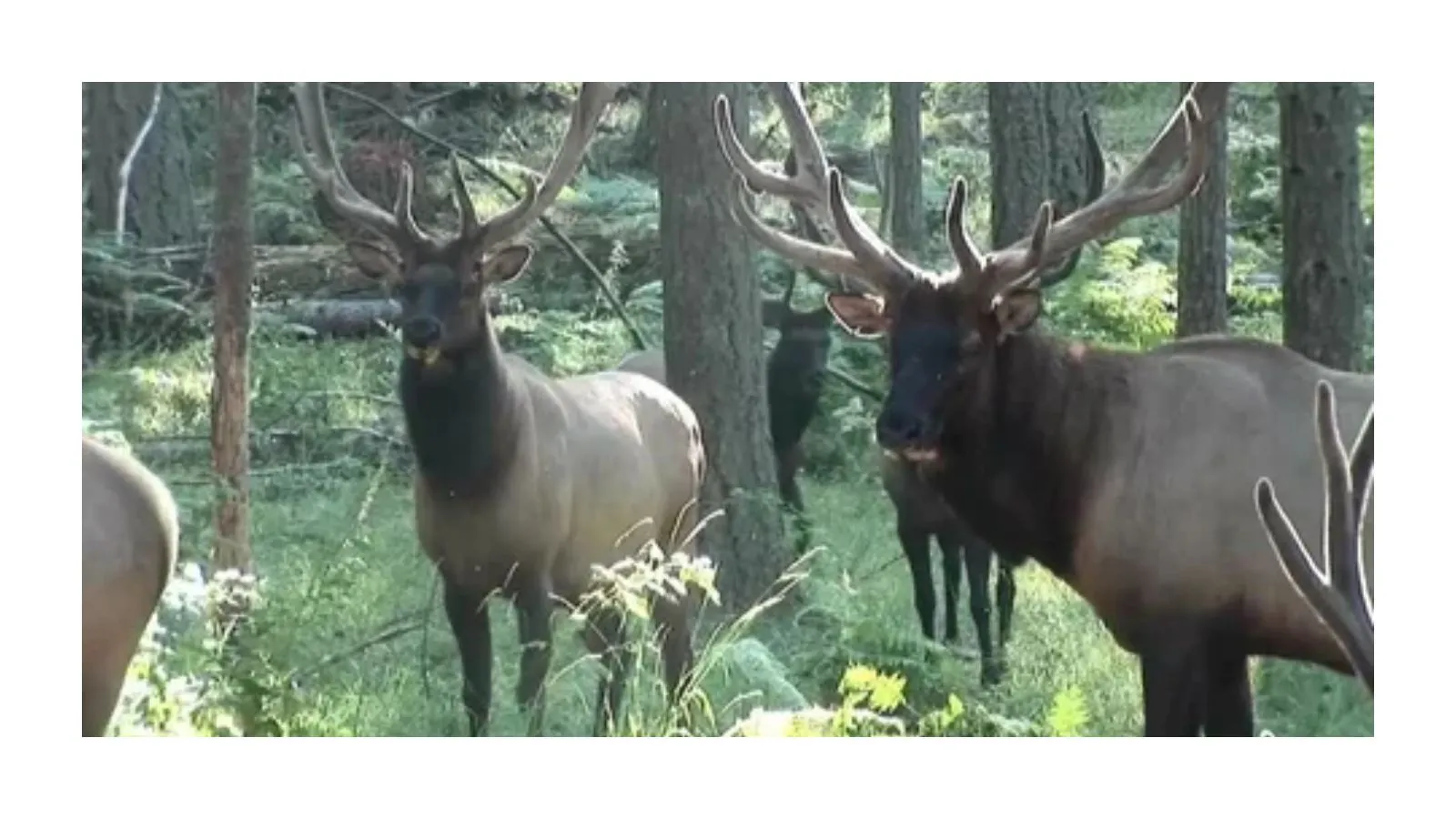
The Pacific Northwest wildlife captivates nature lovers with its rich biodiversity—from towering conifers to mist-shrouded beaches. This region, spanning Washington, Oregon, and British Columbia, hosts an array of animals found nowhere else. For many, images of orcas breaching coastal waters or elk grazing alpine meadows capture the imagination. Yet, beyond iconic species lies a complex web of organisms that sustain healthy ecosystems. Many people search for Pacific Northwest wildlife to learn about habitats, behavior, and conservation.
Others wonder how animals adapt to seasonal rains, volcanic landscapes, and deep fjords. This article unravels the mysteries of this remarkable realm, offering scientifically grounded yet accessible insights into species classification, adaptations, feeding habits, and threats. Whether you’re a student, traveler, or wildlife enthusiast, this guide enriches your understanding and inspires stewardship.
Scientific Classification
The Pacific Northwest wildlife includes mammals, birds, reptiles, amphibians, fish, and invertebrates. Each group has unique traits suited to the region’s varied ecosystems.
| Group | Example Species | Scientific Name | Habitat Type |
|---|---|---|---|
| Mammals | Roosevelt elk | Cervus canadensis roosevelti | Forests & grasslands |
| Birds | Bald eagle | Haliaeetus leucocephalus | Coasts & rivers |
| Fish | Chinook salmon | Oncorhynchus tshawytscha | Rivers & ocean |
| Amphibians | Pacific tree frog | Pseudacris regilla | Forests & wetlands |
| Invertebrates | Banana slug | Ariolimax columbianus | Rainforest floor |
Physical Characteristics
Pacific Northwest wildlife shows remarkable physical diversity.
Mammals
- Roosevelt elk have bulky bodies and rugged antlers.
- Black bears display thick fur and powerful limbs.
Birds
- Bald eagles boast large wingspans and keen eyesight.
- Great blue herons stand tall with long legs for fishing.
Fish
- Chinook salmon are torpedo-shaped swimmers with silver scales.
- Steelhead trout show streamlined bodies built for swift currents.
Amphibians & Invertebrates
- Pacific tree frogs have sticky toe pads for climbing.
- Banana slugs have soft, moist bodies adapted to damp forest floors.
Habitat and Distribution
The diversity of Pacific Northwest wildlife stems from varied landscapes: lush rainforests, rugged mountains, deep sea coasts, and winding rivers.
Rainforests
- Found on the Olympic Peninsula and coastal British Columbia.
- Habitat for banana slugs, marbled murrelets, and Roosevelt elk.
Mountain Ranges
- Cascades and Coast Mountains host mountain goats and pikas.
- Snowmelt feeds rivers where salmon spawn.
Rivers and Streams
- Salmon, trout, and otters thrive in cool, oxygen-rich waters.
Ocean Coasts
- Orcas, sea lions, and seabirds feed along rich marine food webs.
Diet and Hunting Behavior
Feeding habits vary widely among species and seasons.
Herbivores
- Roosevelt elk graze on grasses, shrubs, and forbs.
- Deer feed on leaves and twigs in forests.
Carnivores
- Black bears are omnivores; they eat berries, fish, and insects.
- Orcas hunt salmon, seals, and sea lions in coastal waters.
Fish
- Salmon feed on plankton and insects in the ocean.
- Returning upriver, they stop eating and focus on spawning.
Birds
- Bald eagles dive to catch fish.
- Great blue herons use stealth to snatch amphibians and small fish.
Reproduction and Lifespan
Mammals
- Roosevelt elk mate in autumn; calves are born in spring.
- Lifespan: 10–15 years in the wild.
Birds
- Bald eagles build large nests and lay 1–3 eggs.
- Eagles may live 20+ years.
Fish
- Salmon spawn once then die shortly after returning upstream.
- Lifespan varies by species, usually 2–7 years.
Amphibians
- Pacific tree frogs lay eggs in ponds; tadpoles metamorphose into frogs.
Behavior and Adaptations
Animals evolve traits that help them survive in the Pacific Northwest’s changing weather and terrain.
- Seasonal migration: Salmon swim upstream to spawn then die.
- Hibernation: Black bears hibernate during winter scarcity.
- Camouflage: Roosevelt elk calves have spotted coats blending with forest shadows.
- Webbed feet: Waterfowl use webbing for propulsion.
These adaptations allow wildlife to thrive across forests, rivers, and coasts.
Threats and Conservation Status
Despite their resilience, Pacific Northwest wildlife face many threats.
Habitat Loss
- Logging and development reduce forest cover.
- Wetland drainage impacts amphibians and fish nurseries.
Climate Change
- Ocean warming alters salmon food supplies.
- Snowpack declines shift mountain ecosystems.
Pollution
- Runoff contaminates streams and harms aquatic species.
- Plastic waste affects marine mammals and seabirds.
Conservation Efforts
- Protected areas preserve critical habitats.
- Salmon restoration projects improve river runs.
- Pollution reduction programs enhance water quality.
Conservation Status Table
| Species | Status (IUCN/Local) |
|---|---|
| Roosevelt elk | Least Concern |
| Bald eagle | Recovery success |
| Chinook salmon | Vulnerable |
| Pacific tree frog | Least Concern |
| Orcas (Southern Resident) | Endangered |
Interesting Facts
- Orcas have distinct family pods with unique calls.
- Salmon navigate using Earth’s magnetic fields.
- Banana slugs can grow up to 10 inches long.
- Bald eagles rebuild nests for decades—some over 5 feet wide.
- Pikas store food in “haypiles” for winter survival.
FAQs (Optimized for Featured Snippets)
1. What is the most iconic wildlife in the Pacific Northwest?
The orca and bald eagle are among the most iconic animals in Pacific Northwest wildlife.
2. Where do Pacific Northwest salmon spawn?
Salmon spawn in freshwater rivers like the Columbia and Fraser rivers.
3. Are black bears common in the Pacific Northwest?
Yes, black bears are common and are excellent climbers and swimmers.
4. Why are orcas endangered in the Pacific Northwest?
Orcas face threats from pollution, reduced salmon prey, and noise disturbance.
5. What makes Pacific Northwest rainforests unique?
They are among the world’s largest temperate rainforests with high biodiversity.
Summary
The Pacific Northwest wildlife reflects a tapestry of ecological wonders. From the silent glide of an eagle over misty rivers to the thunderous splash of salmon leaping upstream, this region’s animals adapt and flourish across forests, mountains, and seas. Their behavior, diet, and life cycles reveal evolutionary mastery and ecological balance.
Yet human pressures threaten even the hardiest species. Conservation efforts—from protected reserves to salmon restoration—show promise, but ongoing action is needed. By understanding species, habitats, and threats, we cultivate appreciation and responsibility for these irreplaceable ecosystems.