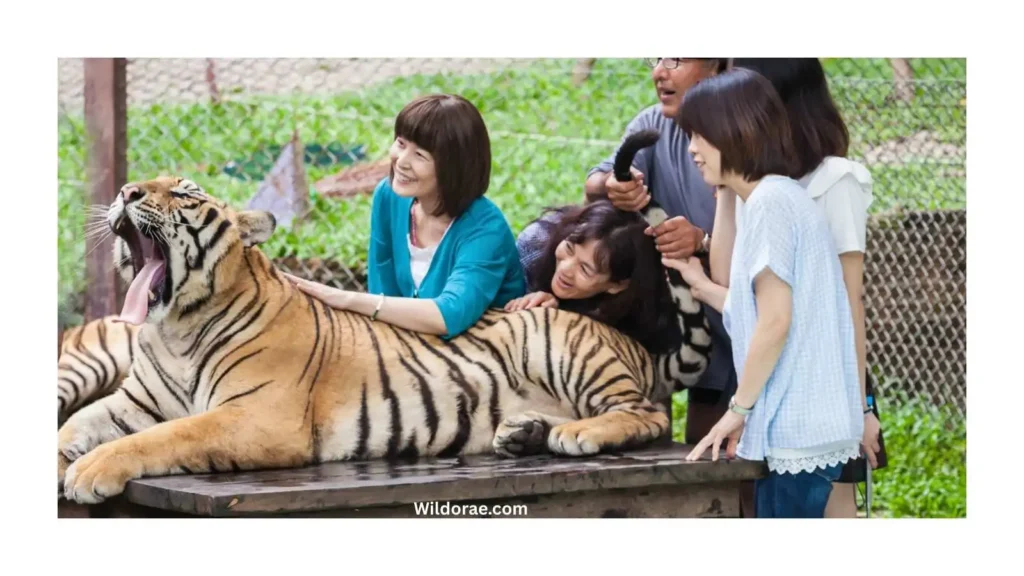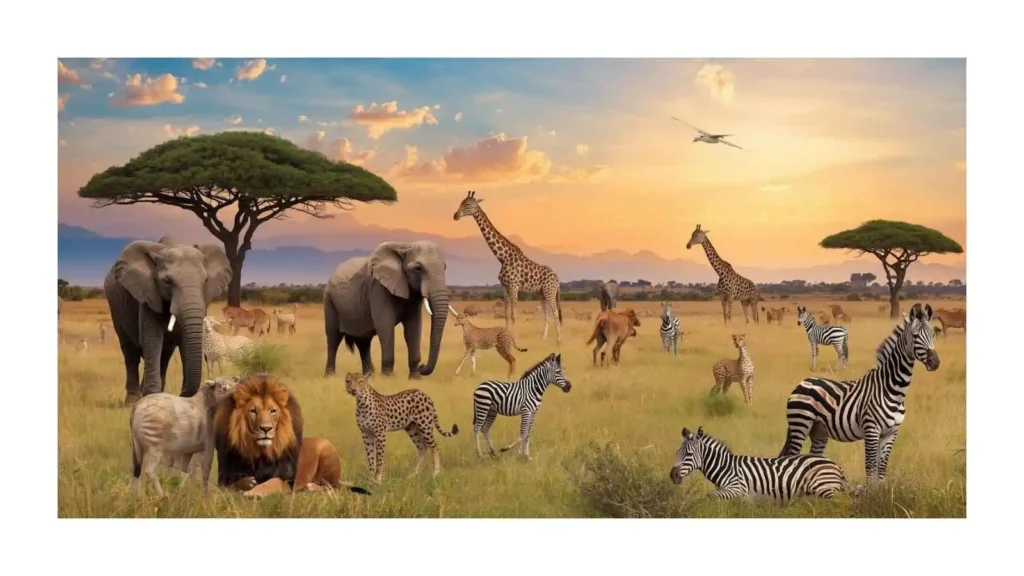
Tanzania is a wildlife enthusiast’s paradise, home to a remarkable array of wild animals in Tanzania, from majestic lions to graceful giraffes. Visitors often wonder which Tanzania safari animals they might encounter, making this knowledge essential for planning. The country’s diverse ecosystems host numerous African wildlife species, including elephants, zebras, and cheetahs, offering unforgettable viewing experiences.
Protecting these animals is crucial, as many face threats from poaching and habitat loss. Exploring Tanzania safari wildlife allows travelers to appreciate their natural behaviors in authentic habitats. For conservationists and tourists alike, understanding Tanzania wildlife diversity enhances appreciation of these iconic creatures. Guided tours reveal the wonders of endangered animals in Tanzania.
|See more: wildlife in daintree rainforest
Scientific Classification
Below is a table showing the classification of common animals found in Tanzania:
| Animal | Class | Order | Family |
|---|---|---|---|
| Lion | Mammalia | Carnivora | Felidae |
| Elephant | Mammalia | Proboscidea | Elephantidae |
| Leopard | Mammalia | Carnivora | Felidae |
| Buffalo | Mammalia | Artiodactyla | Bovidae |
| Rhinoceros | Mammalia | Perissodactyla | Rhinocerotidae |
| Cheetah | Mammalia | Carnivora | Felidae |
This structure helps organize the diversity of wild animals in Tanzania.
Physical Characteristics
Lions
- Muscular bodies and sharp teeth
- Males have thick manes
Elephants
- Large size with long trunks
- Wide ears for cooling
Cheetahs
- Slim bodies built for speed
- Distinct black tear marks
Buffalo
- Strong horns and heavy build
Rhinoceros
- Thick skin and powerful horns
Each animal shows unique traits that support survival in Tanzania’s wild landscapes.
Habitat and Distribution
Tanzania’s ecosystems are rich and varied:
Savannah Plains
- Home to lions, zebras, and wildebeest
Woodlands
- Shelter elephants and giraffes
Wetlands and Rivers
- Hippos and crocodiles thrive here
Crater Ecosystems
- Ngorongoro Crater supports dense wildlife populations
The Serengeti is especially famous for hosting millions of migrating animals.
Diet and Hunting Behavior
Carnivores
- Lions hunt in coordinated groups
- Cheetahs rely on speed to catch prey
- Leopards hunt alone and use stealth
Herbivores
- Elephants eat vegetation and tree bark
- Zebras graze on grass
- Giraffes feed on leaves
Balance of Nature
Predators and prey maintain ecological stability across Tanzania.
Reproduction and Lifespan
Animals in Tanzania have varied life cycles:
- Elephants: Long gestation (~22 months), live up to 60–70 years
- Lions: Cubs raised in prides, live around 10–14 years
- Cheetahs: Shorter lifespan, around 10–12 years
- Buffalo: Strong herd protection for calves
Reproductive strategies ensure survival in the wild.
Behavior and Adaptations
Migration
The Great Migration is one of the largest wildlife movements on Earth, involving wildebeest and zebras.
Adaptations
- Camouflage helps predators hunt
- Speed ensures escape from danger
- Social behavior improves survival
These adaptations define the success of wild animals in Tanzania.
Threats and Conservation Status
Major Threats
- Illegal poaching
- Habitat destruction
- Climate change
Conservation Efforts
- Protected national parks
- Wildlife conservation programs
- Anti-poaching laws
Tanzania continues to protect its wildlife through global and local initiatives.
Interesting Facts
- Tanzania hosts part of the Great Migration
- The Serengeti is one of the oldest ecosystems on Earth
- Lions in Tanzania are among the largest populations in Africa
- Ngorongoro Crater is a natural wildlife sanctuary
- Elephants show strong social intelligence
Practical Tips for Wildlife Viewing
When exploring wild animals in Tanzania, keep these tips in mind:
- Stay inside safari vehicles
- Keep a safe distance
- Follow park guidelines
- Travel with experienced guides
These steps ensure safety and protect wildlife.
FAQs
1. What are the Big Five animals in Tanzania?
Lion, elephant, leopard, buffalo, and rhinoceros.
2. Where can I see the most wildlife in Tanzania?
The Serengeti and Ngorongoro Crater are top destinations.
3. What is the Great Migration?
It is the movement of millions of wildebeest and zebras across Tanzania and Kenya.
4. Are wild animals in Tanzania dangerous?
Yes, some are dangerous, so always follow safety guidelines.
5. When is the best time to visit Tanzania?
June to October is ideal for wildlife viewing.
Summary
Understanding wild animals in Tanzania reveals a complex and vibrant ecosystem filled with iconic species. From powerful predators to peaceful herbivores, each animal plays a role in maintaining balance.
Tanzania’s landscapes provide ideal habitats that support life in many forms. Despite challenges, conservation efforts continue to protect this natural heritage.