
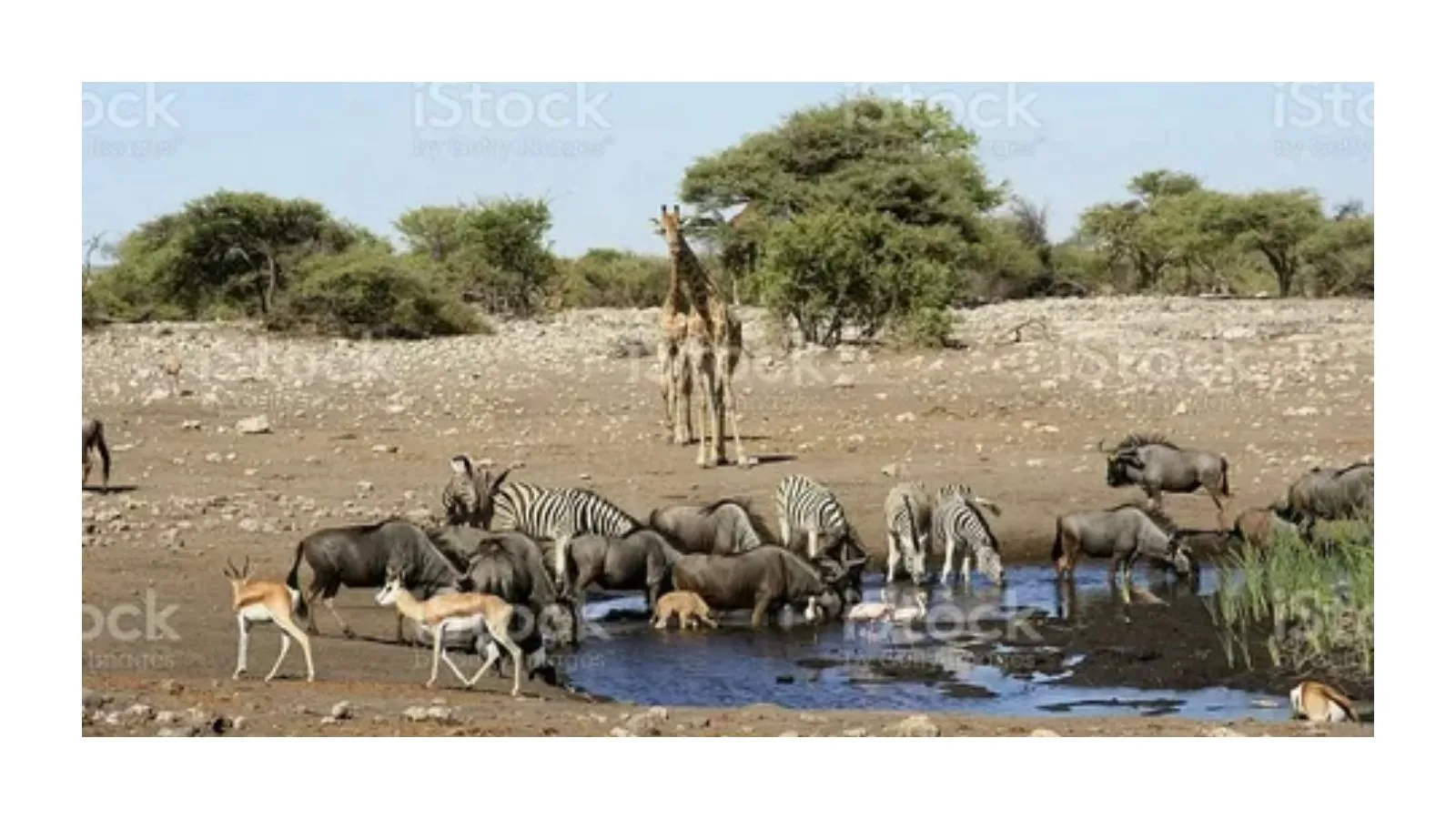
Africa teems with life beneath the water’s surface. From the vast Nile to Lake Malawi’s rocky shores, the continent supports an amazing array of aquatic animals in Africa. These creatures range from massive hippos that thunder through rivers to tiny colorful cichlids darting among rocks. Many people know only a few charismatic species, but the true diversity is far richer. In this article we explore unique aquatic life across African freshwater and marine ecosystems.
Throughout, you will learn how these animals survive, hunt, reproduce, and adapt. You will also understand conservation challenges and how humans can help protect these precious animals. For wildlife lovers, students, and eco-conscious readers, this guide balances scientific detail with accessible language.
|Related: Endangered animals in south africa
Scientific Classification of Key Aquatic Animals in Africa
Africa’s aquatic wildlife spans many groups of animals:
| Group | Example Species | Scientific Name | Habitat |
|---|---|---|---|
| Mammals | African manatee | Trichechus senegalensis | Rivers, estuaries |
| Mammals | Hippopotamus | Hippopotamus amphibius | Rivers, lakes |
| Reptiles | Nile crocodile | Crocodylus niloticus | Rivers, swamps |
| Fish | Cichlids | Haplochromis spp. | African Great Lakes |
| Fish | Tigerfish | Hydrocynus vittatus | Rivers, lakes |
| Birds | African penguin | Spheniscus demersus | Coastal seas |
| Invertebrates | Freshwater crayfish | Parastacidae family | Rivers, lakes |
Physical Characteristics
Every group of aquatic animals in Africa displays unique traits.
Mammals
- Hippos have massive bodies, short legs, and thick skin.
- African manatees look paddle-shaped with whiskered snouts for grazing vegetation.
Reptiles
- Nile crocodiles have powerful jaws and armored scales.
- They can grow up to 20 feet long and weigh over 1,000 pounds.
Fish
- Cichlids show striking colors and diverse body shapes.
- Tigerfish have sharp teeth and lean, silver bodies.
Birds
- African penguins are black and white with a torpedo-shaped body for sleek swimming.
Habitat and Distribution
Aquatic animals in Africa occupy freshwater, brackish, and marine environments.
Freshwater Ecosystems
- Rivers like the Nile, Congo, and Zambezi support hippos, crocodiles, and tigerfish.
- Lakes such as Lake Victoria and Lake Malawi host hundreds of cichlid species.
Brackish and Coastal Areas
- Estuaries where rivers meet the sea are home to manatees.
- African penguins live along the cold Benguela Current near South Africa and Namibia.
Diet and Hunting Behavior
Feeding styles vary widely among aquatic animals in Africa.
Herbivores
- Hippos graze on grasses at night but spend days submerged.
- African manatees nibble on aquatic plants and algae.
Carnivores and Omnivores
- Nile crocodiles ambush prey, including fish, antelope, and birds.
- Tigerfish chase schools of smaller fish with rapid bursts of speed.
- Cichlids eat insects, smaller fish, or algae depending on the species.
Reproduction and Lifespan
Reproductive strategies differ between species but often link closely to water conditions.
Mammals
- Hippos give birth in water; calves can swim almost at once.
- Lifespan: 40–50 years.
Reptiles
- Nile crocodiles build nests and protect eggs.
- Hatchlings face heavy predation and need shelter.
Fish
- Many cichlids lay eggs on rocks or in pits, with both parents guarding.
Behavior and Adaptations
Aquatic animals in Africa show remarkable adaptations for life in water.
- Hippos close their ears and nostrils underwater to stay submerged.
- Crocodiles use a sensory organ in their skin to detect water surface movements.
- Cichlids have specialized mouthparts for feeding niches.
- African penguins can dive over 100 feet deep to catch fish.
Threats and Conservation Status
Sadly, many aquatic species face serious threats.
Threats
- Habitat loss from dams, pollution, and agriculture.
- Overfishing reducing food availability.
- Climate change altering water temperatures and levels.
- Illegal hunting for meat and ivory.
Conservation Status
- Hippos are vulnerable due to habitat loss.
- Nile crocodile populations are stable in protected areas but threatened elsewhere.
- African penguins are endangered due to overfishing and oil spills.
Interesting Facts
- Hippos secrete a natural red-orange substance sometimes called “blood sweat,” but it’s actually sunscreen.
- Lake Malawi has more than 1,000 species of cichlids, many found nowhere else.
- African manatees can hold their breath for about 15 minutes.
- Nile crocodiles can live over 70 years in the wild.
FAQs (Optimized for Featured Snippets)
1. What are the main aquatic animals in Africa?
Africa’s aquatic animals include hippos, Nile crocodiles, African manatees, cichlids, tigerfish, and African penguins.
2. Where do aquatic animals in Africa live?
They live in rivers, lakes, estuaries, and coastal waters across the continent.
3. Are African penguins freshwater animals?
No, African penguins live in marine coastal environments, especially near South Africa.
4. Why are Nile crocodiles dangerous?
Because of their powerful jaws, stealth, and ability to ambush prey near water edges.
5. Do hippos only eat meat?
No, hippos are herbivores that feed mostly on grasses.
Summary
Aquatic animals in Africa are fascinating and diverse. From hippos that rule rivers to tiny cichlids creating vibrant underwater worlds, each species plays a role in its ecosystem. Their adaptations, such as crocodiles’ ambush hunting and manatees’ plant-based diets, show how life evolves in water.
However, threats like habitat loss and climate change put many at risk. Understanding these animals helps us appreciate their value and supports better conservation.