When people hear the word termites, they often think about damaged wooden homes. However, termites are far more than household pests. In the wild, these tiny insects play a vital role in maintaining healthy ecosystems. They break down dead wood, recycle nutrients, improve soil quality, and create habitats for many other animals. Scientists consider termites to be one of nature’s most important decomposers because they help forests and grasslands thrive. Found on every continent except Antarctica, termites have existed for millions of years and continue to shape the environments around them. Whether you are a wildlife enthusiast, nature photographer, or simply curious about insects, learning about termites reveals how even the smallest creatures can have a massive impact on biodiversity and ecosystem health. Their remarkable colonies, teamwork, and engineering skills make them one of the most fascinating insects in the natural world.
Termites – Quick Answer
Termites are social insects that live in organized colonies and primarily feed on wood, dead plants, and other materials rich in cellulose. Although they are known for damaging buildings, termites are essential to wildlife because they recycle nutrients, improve soil fertility, and support countless ecosystems across tropical and subtropical regions.
Quick Facts About Termites
| Feature | Details |
|---|---|
| Scientific Order | Blattodea |
| Common Name | Termites |
| Number of Species | Over 3,000 worldwide |
| Habitat | Forests, grasslands, savannas, deserts, and tropical regions |
| Diet | Wood, leaves, grasses, and other cellulose-rich materials |
| Lifespan | Workers live 1–2 years; queens may live over 20 years |
| Colony Size | Hundreds to millions of individuals |
| Main Predators | Anteaters, aardvarks, birds, reptiles, spiders, and ants |
| Ecological Role | Decomposer and soil engineer |
What Are Termites?
Termites are highly social insects that live together in large colonies with different members performing specialized jobs. Each colony usually consists of a queen, king, workers, soldiers, and young termites. Workers gather food, build tunnels, and care for the colony. Soldiers defend against predators, while the queen lays thousands of eggs throughout her lifetime.
Although termites resemble ants, they belong to a completely different insect group. Scientists have discovered that termites are actually more closely related to cockroaches than ants.
Their incredible teamwork allows colonies to build massive underground tunnels and towering termite mounds that can survive for decades.
History and Evolution of Termites
Termites have inhabited Earth for approximately 150 million years, making them one of the oldest groups of social insects. Their ancestors evolved from ancient wood-feeding cockroaches during the age of dinosaurs.
Over millions of years, termites developed complex social systems that helped them survive changing climates and environmental conditions. Their ability to digest cellulose through microorganisms living inside their digestive system became one of their greatest evolutionary advantages.
Today, termites occupy a wide variety of ecosystems, from African savannas to Asian rainforests and Australian woodlands.
Where Are Termites Found?
Termites occur almost everywhere except Antarctica. They thrive in warm climates but can also survive in temperate regions.
Large termite populations exist in:
- Africa
- Australia
- South America
- Central America
- Southeast Asia
- India
- Southern United States
Many species prefer tropical forests because warm temperatures and high humidity provide ideal living conditions. Others adapt to dry grasslands, deserts, and wooded regions by building underground colonies that protect them from extreme weather.
Wildlife Habitats of Termites
Termites occupy diverse habitats depending on the species and climate.
Forests
Forests provide abundant dead trees, fallen branches, and decaying logs that termites use as food. These habitats support some of the world’s largest termite populations.
Grasslands
Many grassland termites feed on dry grasses and plant litter while building underground nests that improve soil structure.
Savannas
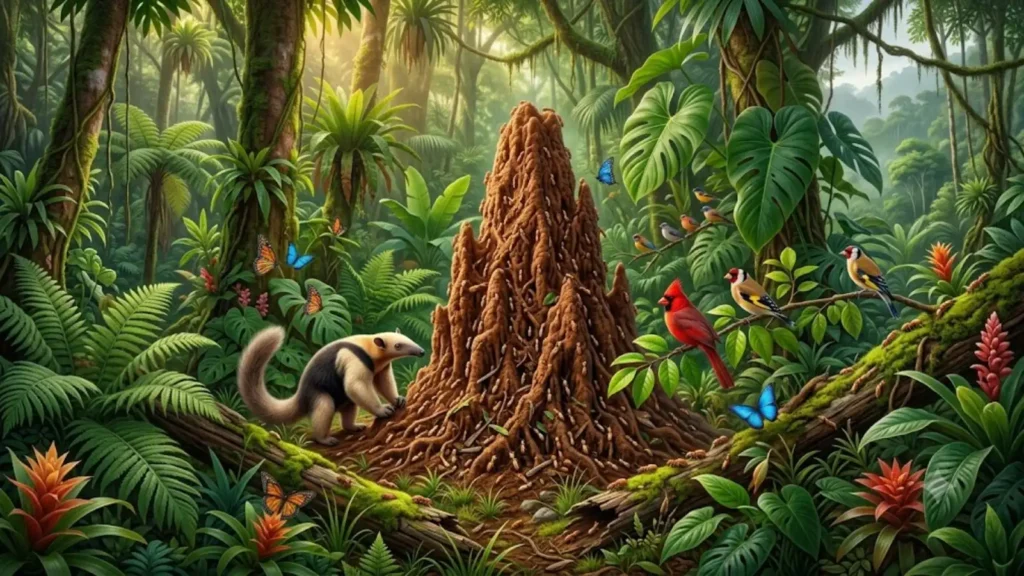
African savannas are famous for enormous termite mounds that may stand several meters tall. These structures provide shelter for reptiles, mammals, birds, and insects.
Deserts
Some termite species survive in arid regions by creating deep underground tunnels that help conserve moisture and regulate temperature.
Wetlands
A few termite species inhabit swampy forests where they feed on fallen vegetation and decomposing wood.
Types of Termites
Scientists recognize more than 3,000 termite species, although only a small percentage become household pests.
Dampwood Termites
These termites prefer moist, decaying wood and rarely invade dry buildings. They are commonly found in forests and fallen logs.
Drywood Termites
Drywood termites live entirely inside dry wood without needing contact with soil. They often inhabit dead tree branches and wooden structures.
Subterranean Termites
These are the most widespread termites. They build underground colonies connected by mud tubes that protect workers while they search for food.
Conehead Termites
Conehead termite are aggressive builders known for creating above-ground nests in tropical environments.
Why Are Termites Important to Wildlife?
Despite their reputation as pests, termite are among nature’s most valuable recyclers.
Nutrient Recycling
Termite break down dead trees, fallen branches, and plant material into organic matter that enriches the soil.
Soil Improvement
Their underground tunnels allow air and water to move through the soil more efficiently, helping plants grow stronger.
Habitat Creation
Abandoned termite mounds become homes for reptiles, birds, mammals, insects, and amphibians.
Food Source
Many wildlife species rely on termites for food, including:
- Anteaters
- Aardvarks
- Pangolins
- Lizards
- Frogs
- Birds
- Spiders
- Ants
Without termite, many ecosystems would struggle to recycle organic material effectively.
Amazing Adaptations of Termites
Termites possess several remarkable adaptations that allow them to survive in challenging environments.
- They communicate using chemical signals called pheromones.
- Workers constantly repair damaged tunnels and nests.
- Symbiotic microorganisms help digest cellulose.
- Soldiers protect colonies with powerful jaws or defensive chemicals.
- Some termite mounds naturally regulate internal temperature and humidity, inspiring architects to design energy-efficient buildings.
These adaptations have helped termites thrive for millions of years and maintain their important role in ecosystems worldwid
Best Time to Observe Termites
The best time to observe termites depends on the species and local climate. In tropical and subtropical regions, termites remain active throughout the year because temperatures stay warm. However, their activity becomes more noticeable during the rainy season when winged reproductive termites, called alates, leave their colonies in large swarms to establish new nests.
Early morning and evening are often the best times to spot termites around fallen logs, tree stumps, and termite mounds. After rainfall, wildlife enthusiasts may also see flying termites emerging from underground colonies. Visiting forests, grasslands, or nature reserves during warm, humid weather provides the highest chance of observing termite activity.
Wildlife Watching Activities
Termites may be tiny, but they offer fascinating opportunities for wildlife lovers and nature photographers.
Observe Termite Mounds
Large termite mounds are natural engineering wonders. Spend time watching workers repair damaged areas or carry food back to the colony.
Wildlife Photography
Photograph termite mounds, winged termites, and close-up views of workers using a macro lens. Early morning light often creates the best images.
Birdwatching
Many birds feed on termites, especially during swarming season. Watching birds hunt termites provides exciting wildlife encounters.
Nature Walks
Explore forests and grasslands to discover fallen logs, decaying wood, and underground tunnels that support termite colonies.
Educational Tours
Some wildlife parks and nature centers include termite mounds on guided walks, helping visitors understand their ecological importance.
Conservation Importance
Although termites are sometimes viewed as pests, they are essential for healthy ecosystems.
Their conservation benefits include:
- Recycling dead wood and plant material.
- Returning nutrients to the soil.
- Improving soil fertility and drainage.
- Supporting forest regeneration.
- Creating habitats for reptiles, mammals, birds, and insects.
- Feeding numerous wildlife species.
- Maintaining ecological balance.
Scientists often describe termite as ecosystem engineers because their activities reshape landscapes and improve biodiversity.
Threats to Termites
Like many wildlife species, termite face environmental challenges.
Major threats include:
- Deforestation
- Habitat destruction
- Urban development
- Wildfires
- Excessive pesticide use
- Climate change
- Pollution
While pest control is necessary around buildings, protecting natural termite populations is important because they play a key role in healthy ecosystems.
Visitor Tips for Watching Termites in the Wild
If you plan to observe termites during a wildlife trip, follow these simple tips.
- Wear comfortable hiking shoes.
- Bring binoculars and a macro camera.
- Avoid disturbing termite mounds.
- Never destroy nests for photographs.
- Stay on marked trails in protected areas.
- Visit after light rainfall for increased activity.
- Respect wildlife and leave habitats undisturbed.
- Carry drinking water and insect repellent during forest walks.
Responsible wildlife observation helps preserve termite habitats for future generations.
Interesting Facts About Termites
Here are some amazing facts that make termites unique.
- Some termite queens can live for more than 20 years.
- A single colony may contain millions of termites.
- Certain termite mounds stand over 8 meters (26 feet) tall.
- Termites communicate using chemical scents called pheromones.
- They cannot digest wood without helpful microorganisms living in their gut.
- Many termite mounds naturally regulate temperature and airflow.
- Flying termites appear only during specific seasons to start new colonies.
Frequently Asked Questions
Are termites harmful to wildlife?
No. In natural ecosystems, termite are beneficial insects that recycle nutrients, improve soil quality, and support many animal species.
Where do termites live?
Termites live in forests, grasslands, savannas, deserts, wetlands, and even underground beneath cities and rural landscapes.
What do termite eat?
They mainly feed on wood, fallen leaves, grasses, tree bark, and other materials containing cellulose.
Why are termite mounds important?
Termite mounds provide shelter for reptiles, birds, mammals, insects, and other wildlife while improving soil fertility.
Do all termites damage houses?
No. Only a small percentage of the more than 3,000 termite species become structural pests. Most species live entirely in natural habitats.
What animals eat termites?
Anteaters, aardvarks, pangolins, birds, frogs, reptiles, spiders, ants, and many mammals feed on termite.
Why are termite called ecosystem engineers?
Their tunnels improve soil structure, recycle nutrients, and create habitats that benefit countless other wildlife species.
Conclusion
Termites are far more than wood-eating insects. They are essential members of Earth’s ecosystems, quietly performing the important work of recycling dead plants, enriching soils, and supporting biodiversity. Their remarkable colonies, complex social behavior, and engineering skills have fascinated scientists for decades. While some species can damage buildings, the vast majority live peacefully in forests, grasslands, and other natural habitats where they benefit countless plants and animals. Understanding the ecological value of termites helps us appreciate their role in maintaining healthy environments. By protecting natural habitats and promoting responsible wildlife conservation, we can ensure these tiny yet powerful insects continue supporting ecosystems for generations to come.